Forensic & Criminological Matrix
| Parameter | Forensic Detail |
|---|---|
| Forensic Heading / Aliases | N/A |
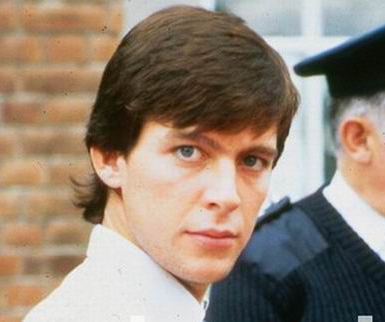
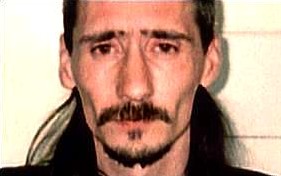
| Legal Identity | Malcolm Keith Williams |
| Confirmed Victims | 1 |
| Attributed / Indicted Victims | 1 |
| Active Timeline | December 29, 1960 |
| Jurisdiction / Area of Operations | Gileston, Glamorganshire, Wales |
| Criminological Classification | Sexual Homicide (Rejection-based) |
| Forensic Modus Operandi | Luring victims to abandoned bunkers, blunt force trauma |
| Weapon / Mechanism of Death | Tree branch (blunt object) |
| Motive / Behavioral Dynamics | Homosexual paraphilia / Aggressive frustration |
| Judicial Outcome | Life imprisonment (March 1961) |
1. Background and Psychopathy
Malcolm Keith Williams was born into a dysfunctional family in Wales. His early life was characterized by institutionalization in children's homes and reformatories due to petty theft and burglary. He exhibited early signs of behavioral issues and admitted to homosexual practices with his younger brother, indicating a long-standing pattern of deviant behavior.
2. Crime Spree
On December 29, 1960, Williams encountered 14-year-old Andrew Bonnick on the beach at Gileston. He lured the boy into a war-time bunker, claiming someone was injured. Once inside, Williams demanded sexual favors. When Bonnick refused and threatened to tell his parents, Williams attacked him with a tree branch, inflicting fatal head injuries.
3. Investigation and Arrest
Williams initially acted as the 'discoverer' of the victim to evade suspicion. However, forensic evidence—including blood spatter on his clothing and fibers matching his jacket found under the victim's fingernails—contradicted his timeline. Scotland Yard detectives John Du Rose and John Fyall eventually secured a confession after dismantling his alibi.
4. Legal Proceedings and Outcome
During the trial at Glamorganshire Assizes in 1961, the defense failed to provide any credible alternative suspects. Despite the exclusion of his written confession due to procedural errors by the police, the physical evidence was sufficient for a guilty verdict. Williams was sentenced to life imprisonment.