Forensic & Criminological Matrix
| Parameter | Forensic Detail |
|---|---|
| Forensic Heading / Aliases | None |
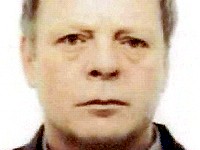
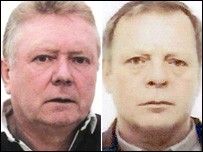
| Legal Identity | William Horncy |
| Confirmed Victims | 5 |
| Attributed / Indicted Victims | 5 |
| Active Timeline | February 2003 |
| Jurisdiction / Area of Operations | London, Wiltshire, and Devon, UK |
| Criminological Classification | Mass murderer |
| Forensic Modus Operandi | Kidnapping, coercion, torture, and strangulation |
| Weapon / Mechanism of Death | Asphyxiation, strangulation, and marine disposal of bodies |
| Motive / Behavioral Dynamics | Financial greed and business takeover for drug smuggling |
| Judicial Outcome | Life imprisonment (Whole life tariff) |
1. Background and Profile
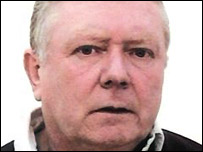
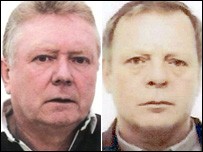
William Horncy (born 1954) was a career criminal with a history of drug-related offenses. His involvement in the Chohan family murders was driven by a cold, instrumental desire to facilitate Kenneth Regan's plan to hijack CIBA Freight, a company intended to serve as a front for international drug trafficking.
2. Criminal Career and Modus Operandi
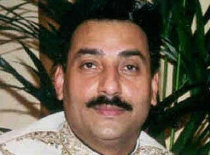
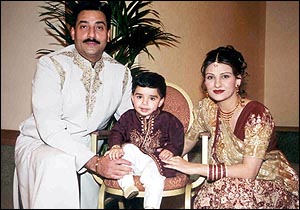
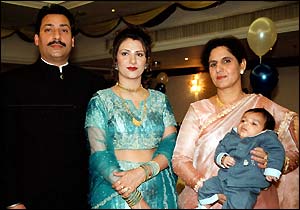
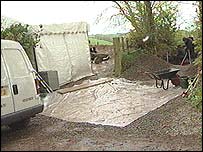
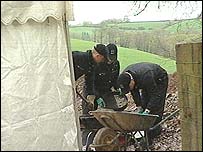
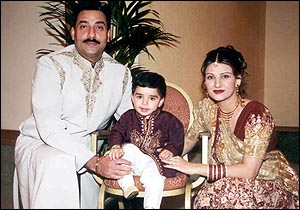
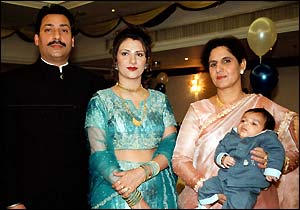
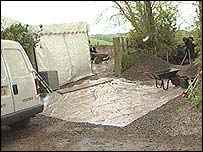
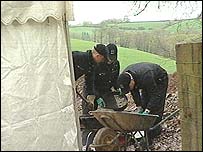
The criminal operation involved the abduction of Amarjit Chohan on February 13, 2003. After holding him captive and forcing him to sign over his business, Horncy and Regan murdered the remaining family members—Nancy Chohan, her two young sons, and her mother—on February 15. The bodies were initially buried on a farm in Devon before being dumped at sea in a desperate attempt to evade forensic detection.
3. Investigation and Arrest
The investigation was triggered by the victim's family in New Zealand. Forensic evidence, including a note found in Amarjit Chohan's sock and DNA recovered from the Devon farm, proved instrumental. Horncy fled to Spain but surrendered in Dover in September 2003 after his funds were exhausted.
4. Legal Proceedings and Outcome
The trial at the Old Bailey was historic in its duration and complexity. In July 2005, Horncy and Regan were convicted of the five murders. The judge imposed a 'whole life tariff,' ensuring they would never be released, citing the uniquely terrible nature of the crimes against an entire family, including infants.