



Forensic & Criminological Matrix
| Parameter | Forensic Detail |
|---|---|
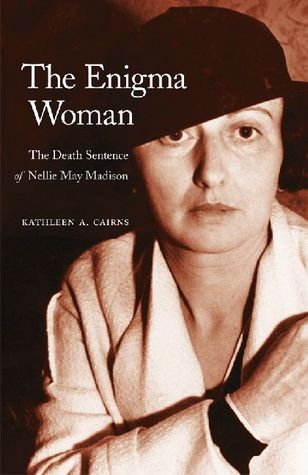
| Forensic Heading / Aliases | The Enigma Woman |
| Legal Identity | Nellie May Madison |
| Confirmed Victims | 1 (Eric D. Madison) |
| Active Timeline | March 1934 |
| Jurisdiction / Area of Operations | Burbank, Los Angeles County, California, USA |
| Criminological Classification | Spousal homicide / Battered spouse |
| Forensic Modus Operandi | Pre-purchase of firearms, multiple close-range gunshot wounds within the domestic residence, subsequent flight and concealment. |
| Weapon / Mechanism of Death | .32-20 caliber Colt revolver |
| Motive / Behavioral Dynamics | Extreme reaction to chronic domestic abuse and physical violence |
| Judicial Outcome | Sentenced to death by the Supreme Court of California (1935) |
1. Background and Profile
Nellie May Madison was born in 1895. Her personal history prior to the crime was defined by a volatile marriage to Eric D. Madison, an employee at Warner Brothers studios in Burbank. Investigative records and subsequent legal arguments highlighted a pattern of severe domestic abuse and psychological trauma inflicted by the victim.
2. Criminal Crime Spree
On March 23, 1934, Madison purchased firearms under the pretext of target practice and protection. On the night of March 24, following her husband's return to their Burbank apartment, multiple gunshots were discharged. Eric D. Madison was struck four times at close range. The crime scene analysis revealed bullets passing through bedding and lodging into walls and flooring, indicating an intense domestic confrontation.
3. Investigation and Arrest
Residents heard the gunfire and screams, but Madison managed to deflect suspicion temporarily by blaming studio noises. Following the discovery of the body on Sunday afternoon, March 25, Madison fled. Law enforcement tracked her down to the Cuddy ranch in Kern County, where she was discovered hiding in a bedroom closet on Monday afternoon.
4. Legal Proceedings and Outcome
During her trial (Crim. No. 3826), Madison's defense emphasized the history of abuse. However, the jury convicted her of first-degree murder without recommendation, leading to a mandatory death sentence. The California Supreme Court affirmed the conviction on May 27, 1935. Her case remains a landmark legal study regarding women committing homicide against abusive partners.
5. Psychiatric Assessment and Aftermath
Criminologically, Madison's case represents a classic archetype of extreme retaliation against domestic tyranny. Although modern legal frameworks recognize battered woman syndrome, her trial took place in an era where such defenses lacked formal legal codification, resulting in capital punishment.