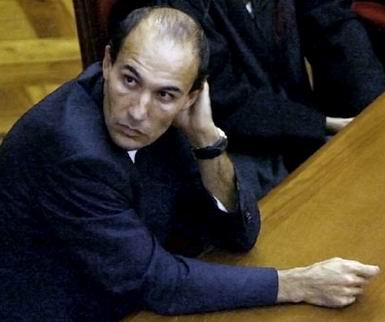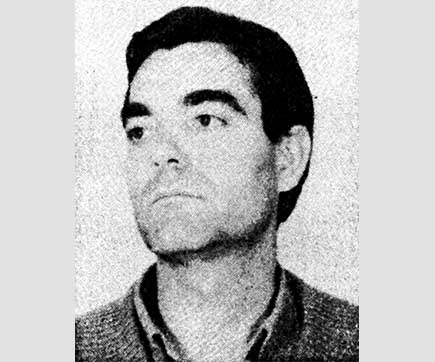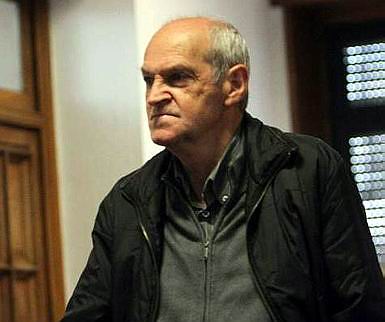





Forensic & Criminological Matrix
| Parameter | Forensic Detail |
|---|---|
| Forensic Heading / Aliases | None |
| Legal Identity | Luis Artés Elesán |
| Confirmed Victims | 1 |
| Attributed / Indicted Victims | 1 |
| Active Timeline | June 26, 1951 |
| Jurisdiction / Area of Operations | Barcelona, Spain |
| Criminological Classification | Parricide - Poisoner |
| Forensic Modus Operandi | Administration of potassium cyanide in beer |
| Weapon / Mechanism of Death | Potassium cyanide |
| Motive / Behavioral Dynamics | Passion / Elimination of spouse |
| Judicial Outcome | Sentenced to 30 years imprisonment (July 1954) |
1. Background and Profile
Luis Artés Elesán was a prominent industrialist in Barcelona, involved in the automotive parts sector. He led a double life, maintaining a long-term extramarital affair with a well-known cabaret singer from the Paralelo district, to whom he had provided an apartment. Forensic analysis of the case suggests a calculated, manipulative personality capable of deceiving both his family and medical professionals to facilitate his criminal objectives.
2. Crime Spree
On the morning of June 26, 1951, at his residence on Reus Street, Artés Elesán executed a lethal plan. He had been systematically adding potassium cyanide to the beer his wife, Montserrat Forzada Salvadó, consumed daily. On this occasion, their eighteen-month-old daughter, Montserrat Artés Forzada, drank from the contaminated glass. The child suffered a rapid, fatal reaction. Artés manipulated the attending physicians into diagnosing the cause of death as meningitis, effectively concealing the presence of the poison he had stolen from his factory.
3. Investigation and Arrest
Suspicion arose from the maternal grandfather, a physician, and was solidified by the testimony of Artés's mistress. The Criminal Investigation Brigade (BIC) obtained a letter from the mistress in which Artés admitted to "purging his guilt" at the Montserrat monastery. Under intense police interrogation, Artés's facade crumbled, and he was forced to admit his actions, though he attempted to frame the death as an accidental ingestion by the child.
4. Legal Proceedings and Outcome
Following his confession, Artés Elesán was held in custody until his trial in June 1954. The defense attempted to portray him as suffering from a psychological disorder, but the prosecution successfully argued that his actions were a cold-blooded attempt to eliminate his wife. He was sentenced to 30 years of imprisonment. The case remains a notable example of domestic homicide in post-war Spain.