Forensic & Criminological Matrix
| Parameter | Forensic Detail |
|---|---|
| Forensic Heading / Aliases | None |
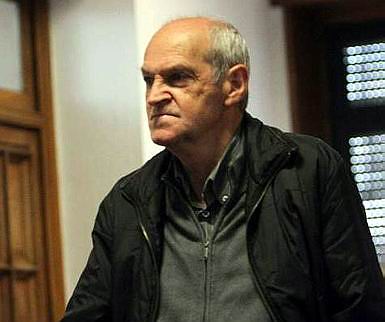
| Legal Identity | José Luis Lamelas Álvarez |
| Confirmed Victims | 1 |
| Attributed / Indicted Victims | 1 |
| Active Timeline | November 24, 2009 |
| Jurisdiction / Area of Operations | Castro de Escuadro, Maceda, Ourense, Spain |
| Criminological Classification | Murderer (Poisoner) |
| Forensic Modus Operandi | Lethal trap with strychnine-laced wine and food |
| Weapon / Mechanism of Death | Strychnine (prohibited toxin) |
| Motive / Behavioral Dynamics | Resentment from past labor disputes |
| Judicial Outcome | 17-year prison sentence (Final verdict) |
1. Background and Profile
José Luis Lamelas Álvarez (born 1953) was a resident of Castro de Escuadro, Maceda. He had a long-standing professional relationship with the victim, Felisindo González Santiago, with whom he shared a livestock business in the 1990s. The collapse of this partnership led to years of mutual animosity and legal complaints, which served as the primary motive for the crime.
2. Crime Spree
On November 24, 2009, Lamelas executed a premeditated plan to kill González. He left a bag at the entrance of the victim's property containing canned goods, beer, and a bottle of red wine laced with a lethal dose of strychnine. The victim, unaware of the trap, consumed the wine during lunch. He suffered a rapid and agonizing death due to the toxin's effect on his nervous system, dying in his home shortly after warning his wife.
3. Investigation and Arrest
Law enforcement launched 'Operation Sorbo'. Forensic analysis of the items in the bag, particularly the beer can traced to a bar beneath the suspect's home in Verín, linked Lamelas to the crime scene. Strychnine was also discovered during a search of his residence. Despite his claims that the poison was intended for wild boars, investigators proved the act was a targeted assassination.
4. Legal Proceedings and Outcome
Lamelas was arrested on October 4, 2010. The legal process was marked by a retrial in 2013 after the Supreme Court invalidated a key piece of evidence. A second jury found him guilty of murder with 'special perversity.' He was sentenced to 17 years in prison, a verdict upheld by the Supreme Court in 2014.