Forensic & Criminological Matrix
| Parameter | Forensic Detail |
|---|---|
| Forensic Heading / Aliases | Dumme Bruno |
| Legal Identity | Bruno Lüdke |
| Confirmed Victims | 0 |
| Attributed / Indicted Victims | 51 |
| Active Timeline | 1928-1943 |
| Jurisdiction / Area of Operations | Germany (primarily Berlin) |
| Criminological Classification | Alleged serial killer / Victim of judicial miscarriage |
| Forensic Modus Operandi | Strangulation and sexual abuse (per contemporary police reports) |
| Weapon / Mechanism of Death | Manual strangulation or ligature |
| Motive / Behavioral Dynamics | Intellectual disability / Police coercion |
| Judicial Outcome | Unsolved / Extrajudicial execution |
1. Background and Profile
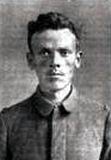
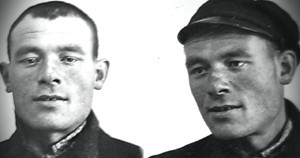
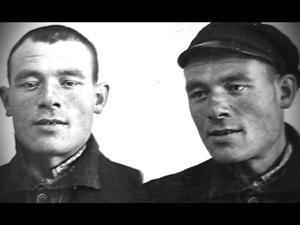
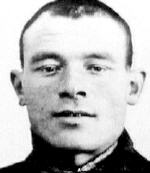
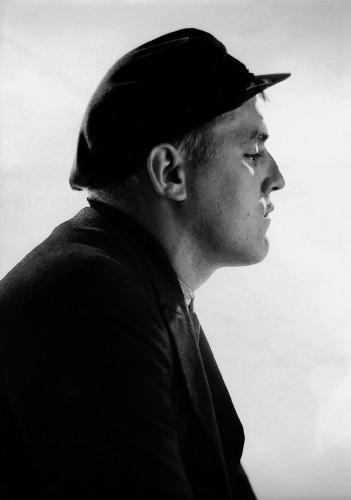
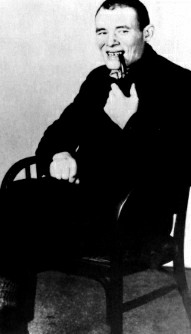
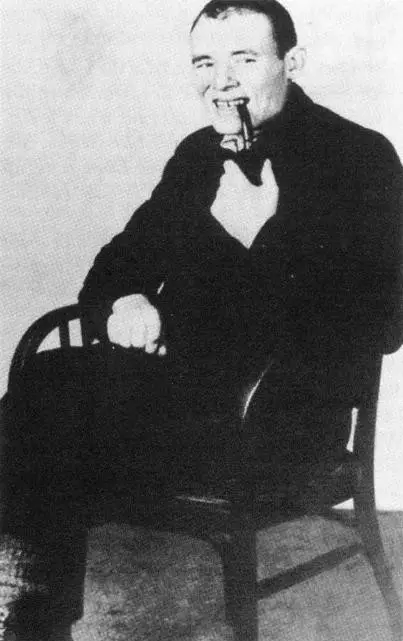
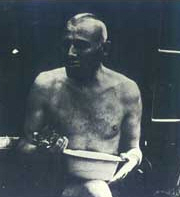
Born in 1908 in Köpenick, Bruno Lüdke was a man with significant intellectual disabilities. He worked in his family's laundry business and was known locally as 'Dumme Bruno'. His criminal record prior to 1943 consisted only of petty thefts.
2. Crime Spree
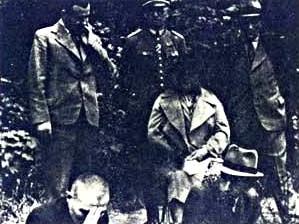
Following the murder of Frieda Rössner in 1943, Lüdke was arrested. Kriminalkommissar Heinz Franz coerced Lüdke into confessing to 51 murders. Forensic analysis has since confirmed that these confessions were fabricated through suggestive questioning and physical abuse.
3. Investigation and Arrest
The investigation lacked any physical evidence. Lüdke was used by the Nazi police to clear cold cases. He was incapable of navigating the geography of the crimes he supposedly committed.
4. Legal Proceedings and Outcome
Lüdke was never brought to trial. He was transferred to a medical facility in Vienna, where he was subjected to lethal medical experimentation.
5. Psychiatric Evaluation and Conclusion
Lüdke died in 1944. Modern historians and criminologists agree that the 'serial killer' Bruno Lüdke was a fabrication, and the 51 murders remain unsolved.