



Forensic & Criminological Matrix
| Parameter | Forensic Detail |
|---|---|
| Forensic Heading / Aliases | null |
| Legal Identity | Unknown |
| Confirmed Victims | 0 |
| Attributed / Indicted Victims | 11 |
| Active Timeline | 1894 - 1920 |
| Jurisdiction / Area of Operations | Spandau, Berlin, Germany |
| Criminological Classification | Alleged Serial Killer |
| Forensic Modus Operandi | Cabman allegedly using his profession to commit indiscriminate homicides |
| Weapon / Mechanism of Death | Not recorded |
| Motive / Behavioral Dynamics | Unknown / Domestic coercion |
| Judicial Outcome | Unsolved / No record of trial or sentencing |
1. Background and Profile
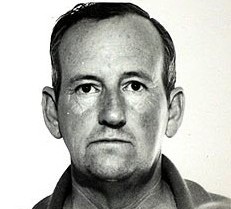
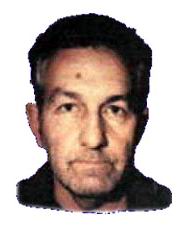
The individual known only as Schultz was a 50-year-old cabman residing in the Spandau district of Berlin. In late 1920, he became the subject of a police investigation following a report by his wife, who claimed to have been coerced into silence regarding his criminal activities for over twenty-five years.
2. Crime Spree
On December 2, 1920, Spandau homicide investigators announced the arrest of Schultz on eleven counts of murder. The victims allegedly included men, women, and children. Specific incidents mentioned include the 1894 murder of an eight-year-old child and the killing of his wife's two brothers years prior. No specific forensic details regarding the method of murder have been preserved in official records.
3. Investigation and Arrest
The case rested entirely on the testimony of the suspect's wife. Despite the public announcement of his arrest, there is no evidence in the German Reich's court or prison registers that Schultz was ever formally tried, convicted, or sentenced for these crimes.
4. Legal Proceedings and Outcome
While some historical accounts claim he was executed by guillotine in 1921, these reports lack primary source verification. Official execution registers for the Berlin area during that period list only Friedrich Schumann, a different individual from Spandau. Consequently, the case of Schultz remains an unverified police announcement without a confirmed judicial conclusion.
5. Psychiatric Assessment and Conclusion
No formal psychiatric evaluation exists. The case is categorized as an unsolved historical mystery, as no contemporary German court reports have been located to substantiate the charges or the fate of the suspect.