



Forensic & Criminological Matrix
| Parameter | Forensic Detail |
|---|---|
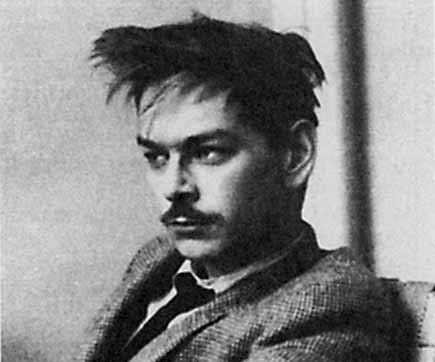
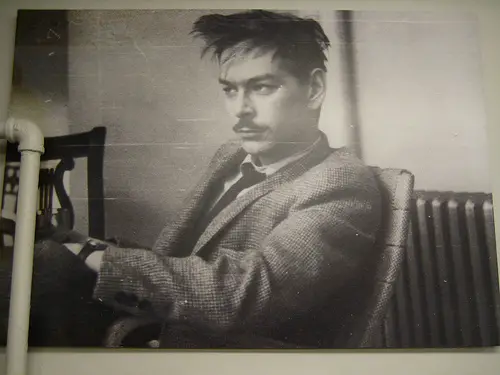
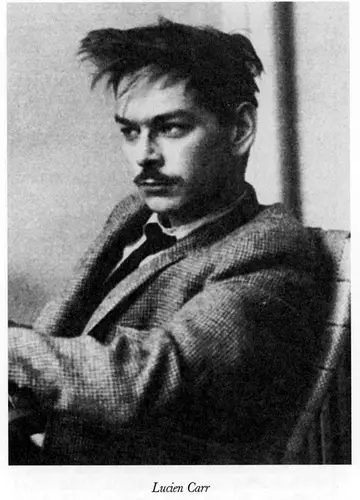
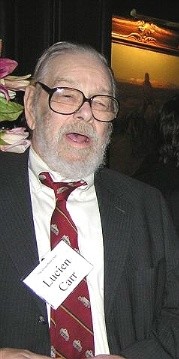
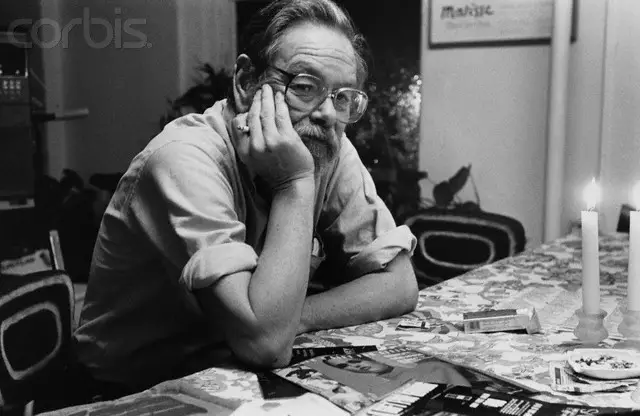
| Full Legal Name | Lucien Carr. |
| Cultural Significance | Founding catalyst of the Beat Generation (intellectual nexus who introduced Jack Kerouac, Allen Ginsberg, and William S. Burroughs). |
| Criminological Typology | Manslaughter in physical altercation / Stalking victim reaction / River disposal. |
| Date of Crime | August 14, 1944 (early morning). |
| Crime Scene | Riverside Park, West 115th Street, along the Hudson River, Manhattan, New York City. |
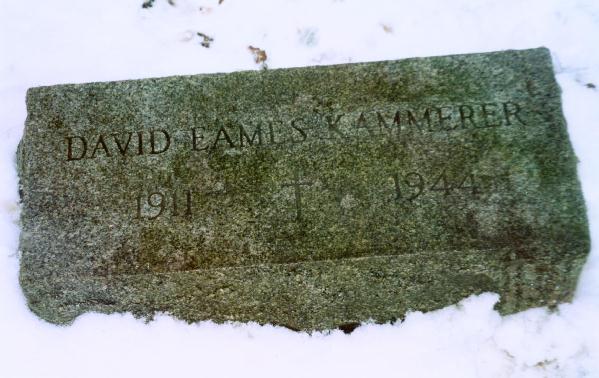
| Fatal Casualty | David Kammerer (aged 33), former physical education teacher, writer, and scout leader. |
| Weapon | Pocket folding Boy Scout knife. |
| Corpse Disposal | Weighted with riverbank stones stuffed into trouser pockets and bound with shoelaces before being shoved into the Hudson River. |
| Judicial Penalty | Pleaded guilty to first-degree manslaughter; sentenced to Elmira Reformatory (paroled after two years in 1946). Died of bone cancer on January 28, 2005. |
Columbia University Circle and the Stalker
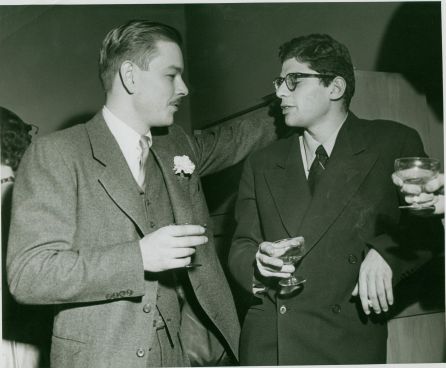
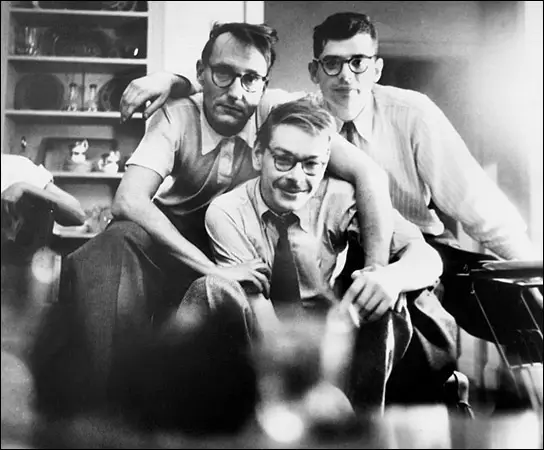
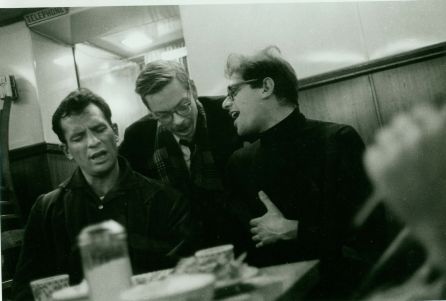
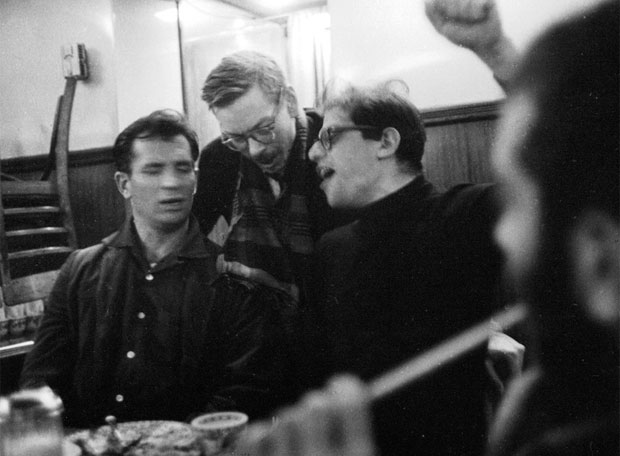
Lucien Carr was born in New York City on March 1, 1925, to an established St. Louis family. Possessing exceptional charisma, sharp literary sensibilities, and striking looks, he enrolled at Columbia University in 1943. Within months, Carr became the catalyst of a cultural revolution, introducing Allen Ginsberg to Jack Kerouac and William S. Burroughs and establishing their core manifesto of "The New Vision".
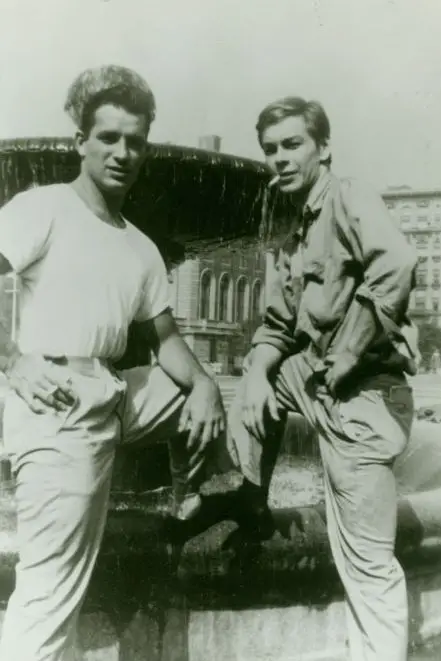
However, Carr had been pursued for five years by David Kammerer, a man twelve years older who had met Carr as a boy scout instructor in St. Louis. Consumed by an intense infatuation, Kammerer followed Carr to Chicago and New York, taking janitorial jobs to remain permanently in the student's perimeter.
The Riverside Park Stabbing (August 1944)
On the evening of August 13, 1944, Carr and Kammerer consumed heavy quantities of alcohol at the West End bar with Kerouac. In the early hours of August 14, Carr and Kammerer walked into the dark groves of Riverside Park overlooking the Hudson River.
According to Carr's legal statements, Kammerer aggressively propositioned him and physically attacked him when rebuffed. During the physical struggle, Carr pulled his Boy Scout folding knife and stabbed Kammerer twice through the chest, piercing his heart. In a panic, Carr bound Kammerer's hands with his shoelaces, loaded his pockets with heavy rocks, and rolled the corpse into the Hudson.
Literary Complicity and Arrest
Carr immediately visited William S. Burroughs, who provided him with cash and urged him to retain legal counsel and turn himself in. Carr then sought out Jack Kerouac; the two spent the day walking through Manhattan, took in a movie, and buried Kammerer's spectacles in Morningside Park before tossing the blade down a sewer grating.
Two days later, advised by his mother and an attorney, Carr walked into the Manhattan District Attorney's office and confessed: "I have killed a man and dropped his body in the river." Coast Guard units recovered Kammerer's floating corpse. Burroughs and Kerouac were both arrested as material witnesses and accessories to homicide.
Elmira Sentence and Journalism Career at UPI
Indicted for second-degree murder in September 1944, Carr's defense leveraged wartime anti-homosexual cultural prejudice, portraying Carr as a heterosexual youth defending himself against predatory sexual aggression.
Prosecutors permitted Carr to plead guilty to first-degree manslaughter. He was sentenced to Elmira Reformatory, serving two years before being paroled in 1946.
Following his release, Carr stepped away from the literary limelight to protect his family. He joined United Press International (UPI), where over a distinguished four-decade career he served as chief of the general news desk, earning broad professional acclaim as one of journalism's finest prose editors until his retirement in 1993. Allen Ginsberg famously dedicated his masterpiece Howl to him. Carr passed away in Washington, D.C., on January 28, 2005, at age 79.