




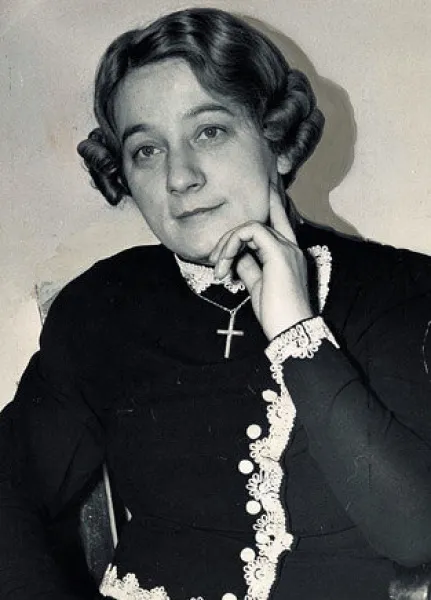
Forensic & Criminological Matrix
| Parameter | Forensic Detail |
|---|---|
| Forensic Heading / Aliases | Sue Logue, Sue Stidham Logue |
| Legal Identity | Sue Belle Stidham Logue |
| Confirmed Victims | 1 (Davis W. Timmerman) |
| Active Timeline | 1942 |
| Jurisdiction / Area of Operations | South Carolina, United States |
| Criminological Classification | Murder-for-hire instigator / Retributive killer |
| Forensic Modus Operandi | Conspiracy and procurement of hired gunmen to eliminate her target |
| Weapon / Mechanism of Death | Firearms (Contract killing) |
| Motive / Behavioral Dynamics | Vengeance following the murder of her husband by the victim |
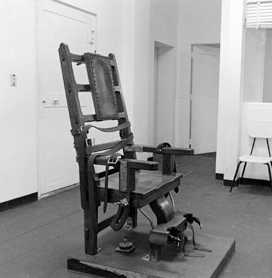
| Judicial Outcome | Sentenced to death; executed via the electric chair on January 15, 1943 |
1. Background and Profile
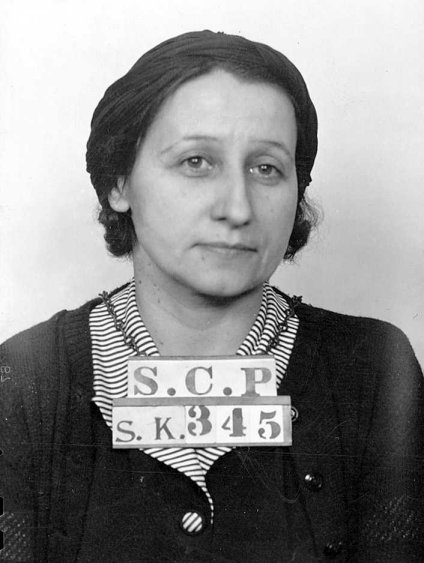
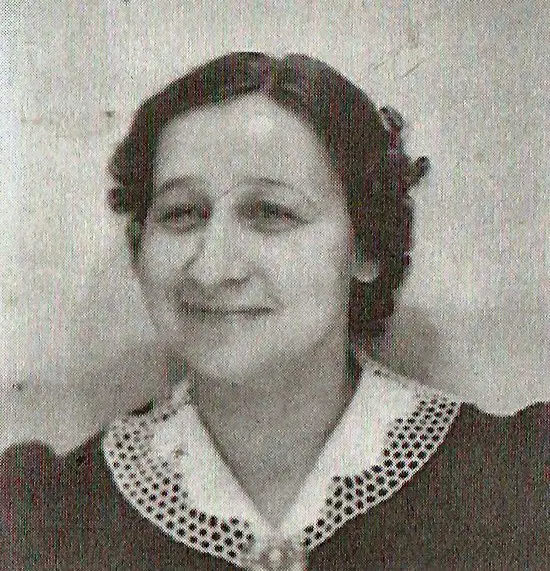
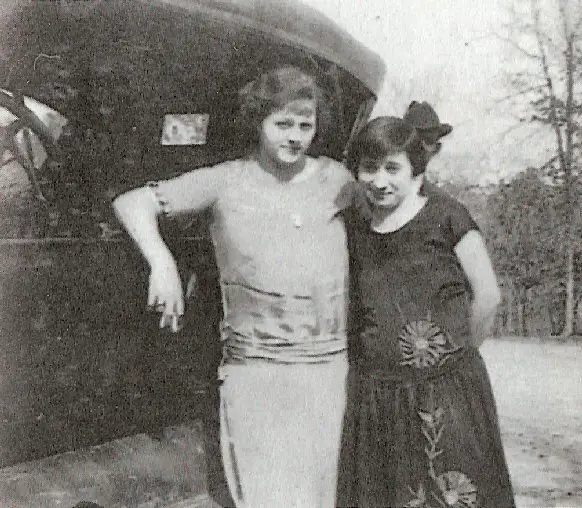
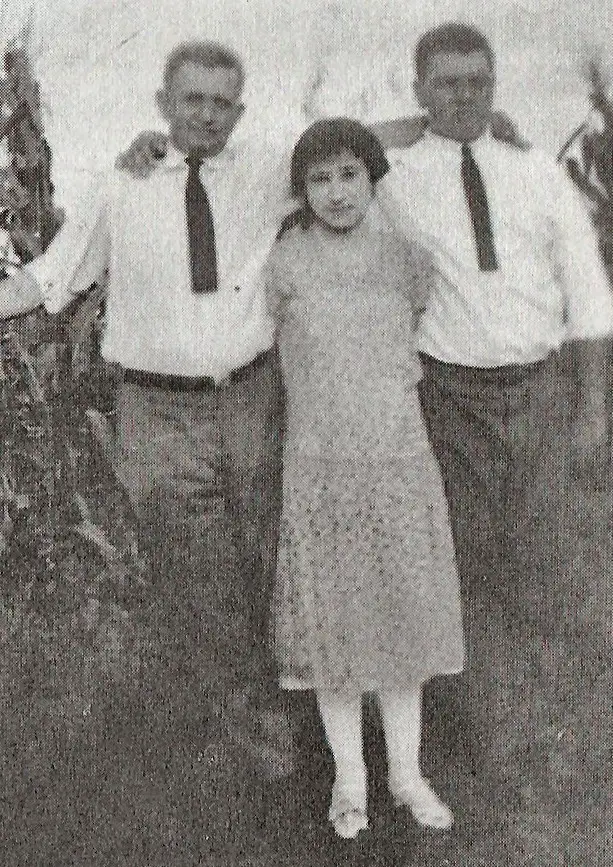
Sue Belle Stidham Logue was born in the United States. Her life shifted dramatically after her husband was killed by a local neighbor, Davis W. Timmerman. Consumed by a desire for retribution and possessing a distinct personality within her local community, Logue orchestrated a lethal plot to avenge her husband's death outside the conventional boundaries of the law.
2. Crime Spree and Modus Operandi
Logue’s modus operandi centered on murder-for-hire. Instead of confronting her husband's killer directly, she utilized her influence and resources to contract third parties to execute Davis W. Timmerman. Her role was strictly intellectual and directive, managing the conspiracy that led to the targeted homicide.
3. Investigation and Law Enforcement Catch
South Carolina law enforcement quickly focused on Logue as the primary instigator following Timmerman's murder. Investigators uncovered financial and personal connections linking her to the hired perpetrators, effectively dismantling her attempts to conceal her involvement in the conspiracy.
4. Legal Proceedings and Outcome
Following her arrest, Logue stood trial where prosecutors established her pivotal role in organizing the contract killing. The judicial system delivered a guilty verdict, and she was condemned to death by electrocution, marking a notable chapter in the legal history of South Carolina.
5. Psychological Evaluation and Execution
Logue's demeanor leading up to her execution at the central penitentiary in Columbia became a subject of historical notoriety. On January 15, 1943, she was executed in the electric chair, cementing her status as one of the few women to face capital punishment in the state under such dramatic circumstances.