



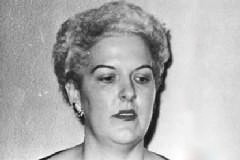
Forensic & Criminological Matrix
| Parameter | Forensic Detail |
|---|---|
| Forensic Heading / Aliases | Lizzie Borden / Lizbeth Borden |
| Legal Identity | Lizzie Andrew Borden |
| Confirmed Victims | 2 (Abby Borden and Andrew Borden) |
| Active Timeline | August 4, 1892 |
| Jurisdiction / Area of Operations | Fall River, Massachusetts, United States |
| Criminological Classification | Double Homicide / Domestic Parricide (Unconvicted) |
| Forensic Modus Operandi | Surprise attack utilizing heavy blunt-force edged weaponry (hatchet/axe) directed systematically at the victims' heads and faces within their own residence |
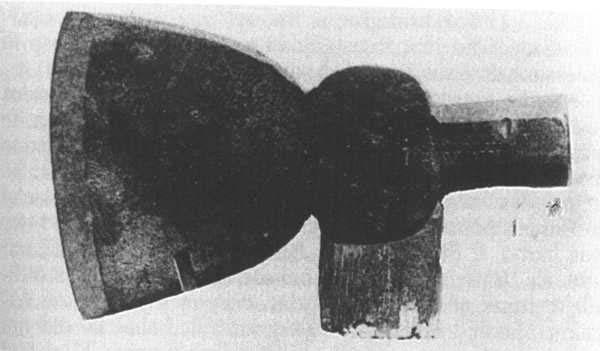
| Weapon / Mechanism of Death | Short-handled hatchet (allegedly recovered washed or hidden in the basement) |
| Motive / Behavioral Dynamics | Inheritance disputes, friction with stepmother, and extreme domestic tension |
| Judicial Outcome | Acquitted of all charges (Not Guilty) by an all-male jury on June 20, 1893. Died of natural causes on June 1, 1927 |
1. Background and Psychopathy
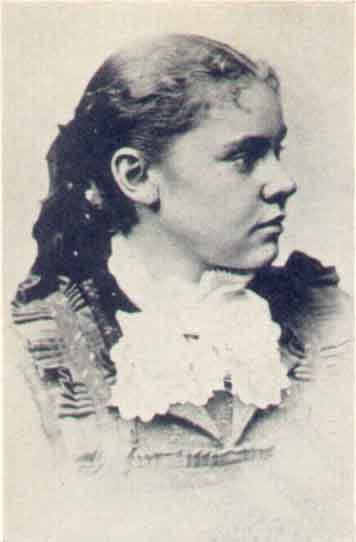
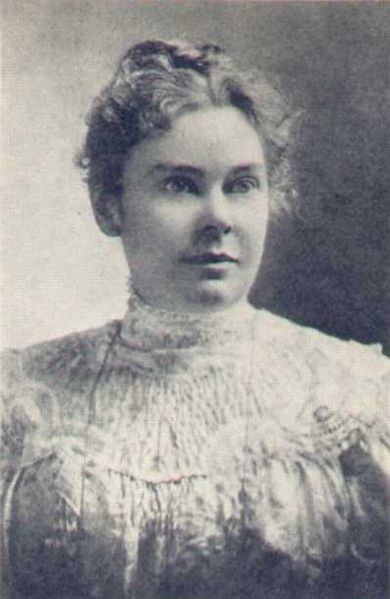
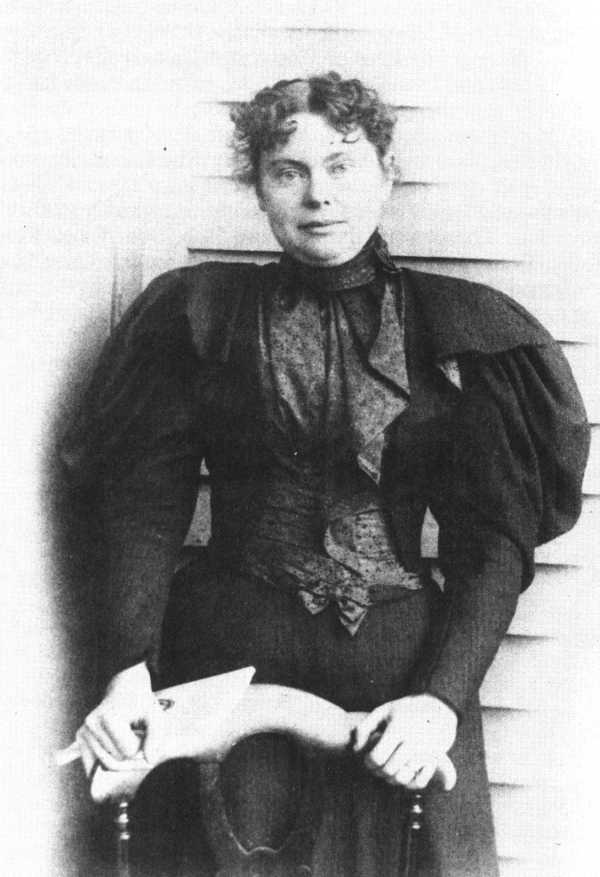
Lizzie Andrew Borden was born on July 19, 1860, in Fall River, Massachusetts. She belonged to one of the wealthiest and most influential families in the region, headed by her father, Andrew Borden, a financier and lender whose extreme thrift contrasted sharply with his substantial fortune, estimated at over $300,000 at the time. Despite their wealth, the family home lacked basic modern conveniences such as indoor plumbing or electricity.
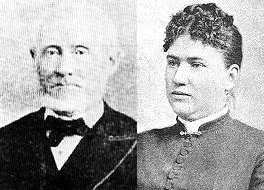
Lizzie and her older sister Emma harbored deep resentment toward their stepmother, Abby Gray, whom they perceived as an interloper seeking to monopolize the family estate. Days before the murders, domestic friction reached a critical juncture when Andrew began transferring real estate properties to his wife's family. Within this hostile context, it was documented that Lizzie attempted to purchase prussic acid (cyanide) at a local pharmacy under the pretext of cleaning a sealskin coat.
2. Crime Spree
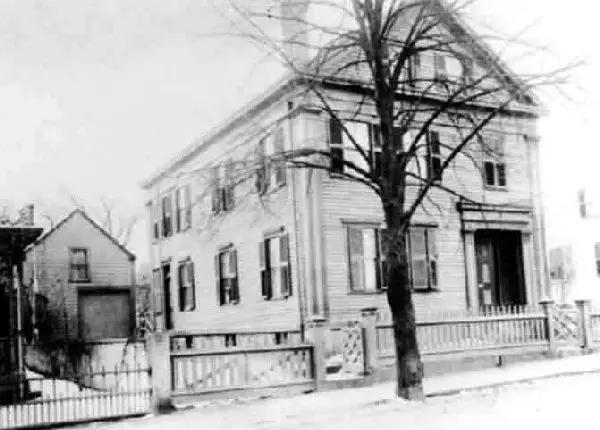
On the sweltering morning of August 4, 1892, while Emma was away on a trip and the maid Bridget Sullivan was resting in her attic room after completing household chores, the double murder took place at the 92 Second Street residence.
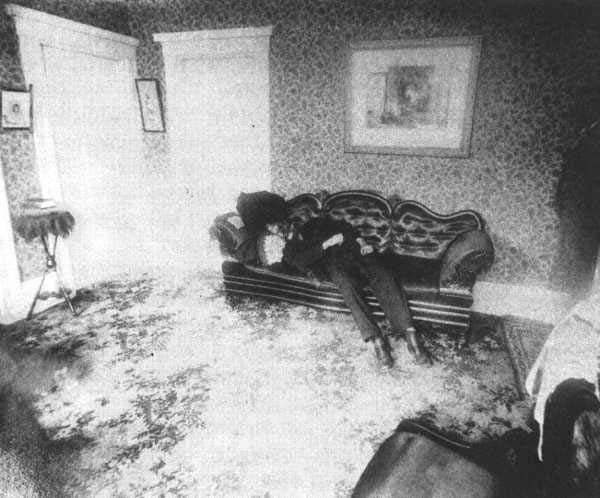
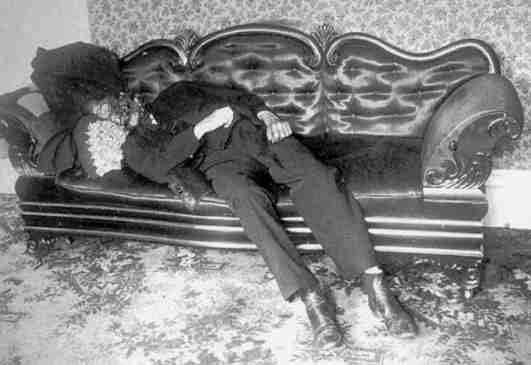
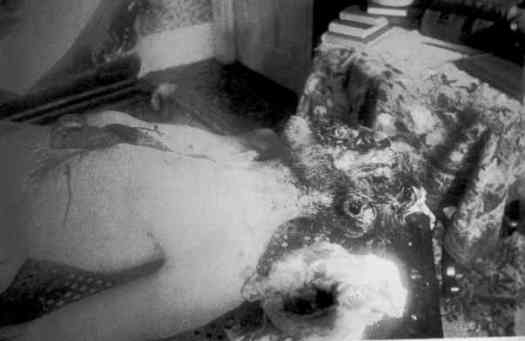
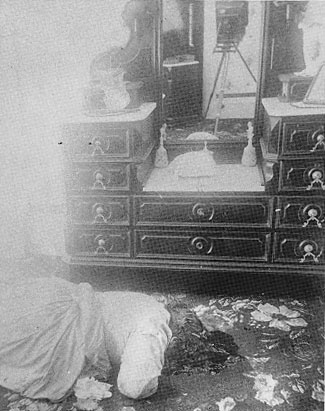
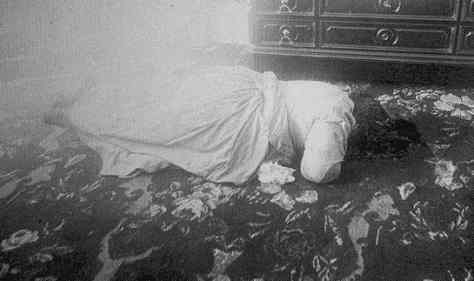
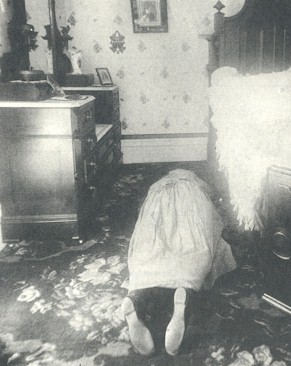
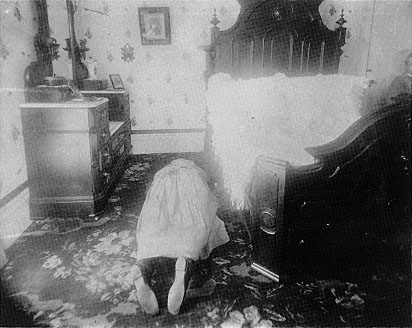
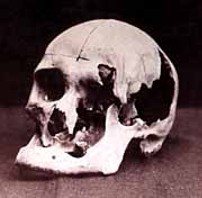
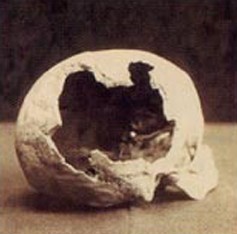
Between 9:00 and 10:30 a.m., Abby Borden went upstairs to the guest bedroom to change the bed linens. The assailant ambushed her from behind, inflicting 19 blows to her head and neck with a hatchet, crushing her skull and causing instantaneous death. Shortly before 11:00 a.m., Andrew Borden returned home from his financial rounds and lay down to rest on the downstairs parlor sofa. While asleep, he received 11 extreme slashing impacts to his face, fracturing his nose, severing an eyeball, and causing immediate mortality.
3. Police Investigation and Forensic Hunt
The initial investigation led by the Fall River police department was fraught with technical oversights and class prejudices that prevented proper isolation of the crime scene. Lizzie's clothing was not properly impounded, nor were the contents of household receptacles scientifically analyzed. However, contradictory alibis provided by Lizzie in her preliminary statements and the lack of viable external suspects quickly focused suspicion upon her.
The subsequent discovery of several hatchets in the cellar, one with a suspiciously broken handle and wiped clean of dust, served as the primary physical clue, although the prosecution could not conclusively prove it was the murder weapon used in the double parricide.
4. Arrest and Judicial Process
Lizzie Borden was formally arrested and tried in the Fall River Superior Court, with proceedings later moving to New Bedford. The trial captured international media attention. The defense, led by prominent attorney and former governor George D. Robinson, discredited the incompetent police work and appealed to contemporary stereotypes, arguing that a woman of good social standing was incapable of committing such extreme physical brutality.
On June 20, 1893, an all-male jury returned a verdict of Not Guilty, allowing Lizzie to regain her freedom amidst a deeply divided public opinion.
5. Psychiatric Evaluation and Aftermath
From a subsequent criminological perspective, the Lizzie Borden case is studied as a classic example of endogenous parricide driven by economic motives and cumulative domestic stress. Despite her judicial acquittal, social stigma followed Lizzie for the rest of her life. She settled into a new residence in Fall River with her sister Emma—from whom she eventually became estranged—and died on June 1, 1927, from pneumonia, leaving the forensic questions of the crime permanently unresolved by formal justice.