Forensic & Criminological Matrix
| Parameter | Forensic Detail |
|---|---|
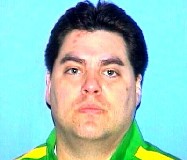
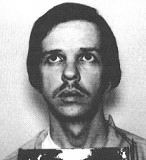
| Forensic Heading / Aliases | Dwaine Lee Little / Harden |
| Legal Identity | Dwaine Lee Little |
| Confirmed Victims | 5 |
| Attributed / Indicted Victims | 9 |
| Active Timeline | 1964 - 1974 |
| Jurisdiction / Area of Operations | Oregon, USA |
| Criminological Classification | Serial Killer / Sexual Predator |
| Forensic Modus Operandi | Kidnapping, sexual assault, and firearm execution |
| Weapon / Mechanism of Death | Firearms and physical force |
| Motive / Behavioral Dynamics | Sexual predation and psychopathy |
| Judicial Outcome | Multiple consecutive life sentences |
1. Background and Profile
Dwaine Lee Little is a notorious American criminal whose violent career spanned several decades in Oregon. His criminal profile is characterized by extreme sexual aggression and a pattern of escalating violence that persisted despite initial incarceration.
2. Crime Spree
Little's criminal activity began in 1964 with the rape and murder of a teenage girl. After being paroled in 1974, he was linked to the disappearance and brutal murder of the Cowden family. The victims' bodies were discovered seven months later in a cave in the Siskiyou Mountains, hidden behind rocks. His method involved targeting families or individuals in remote areas, using firearms to ensure control.
3. Investigation and Arrest
The investigation into the Cowden family murders, led by Lt. Mark Kezar of the Oregon State Police, remains a landmark case in forensic history. Despite extensive searches and the collection of hundreds of pieces of evidence, the case against Little for the Cowden murders remains technically open, pending a formal confession.
4. Legal Proceedings and Outcome
Little was first sentenced to life in 1966. Following his 1974 parole, he was convicted in 1980 for the rape and murder of a woman in Tigard, Oregon, resulting in three consecutive life terms. He remains incarcerated in the Oregon State Prison system.
5. Forensic Conclusion
Little is considered a high-risk offender with no prospect of release. His case serves as a critical study in the failures of parole systems regarding violent sexual predators.