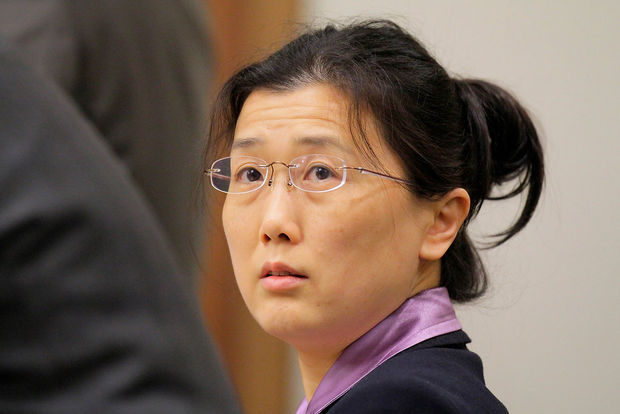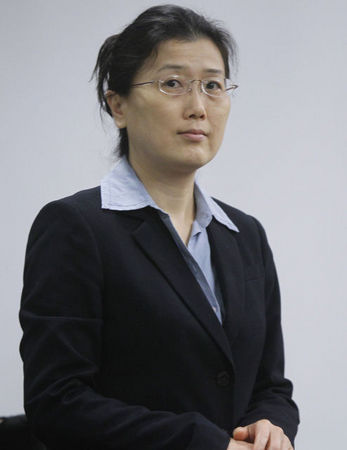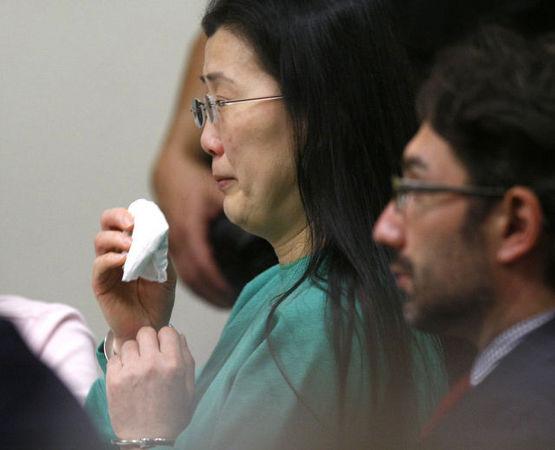



Forensic & Criminological Matrix
| Parameter | Forensic Detail |
|---|---|
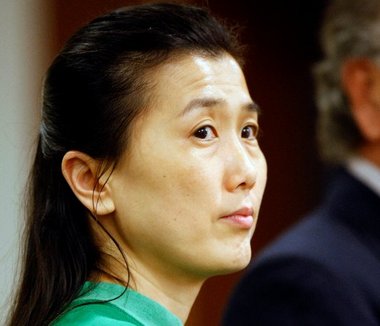
| Forensic Heading / Aliases | Tianle Li (Heidi) |
| Legal Identity | Tianle Li |
| Confirmed Victims | 1 (Xiaoye Wang) |
| Active Timeline | December 2010 - January 2011 |
| Jurisdiction / Area of Operations | Monroe Township / Princeton, New Jersey, USA |
| Criminological Classification | Spousal homicide / Systematic poisoner |
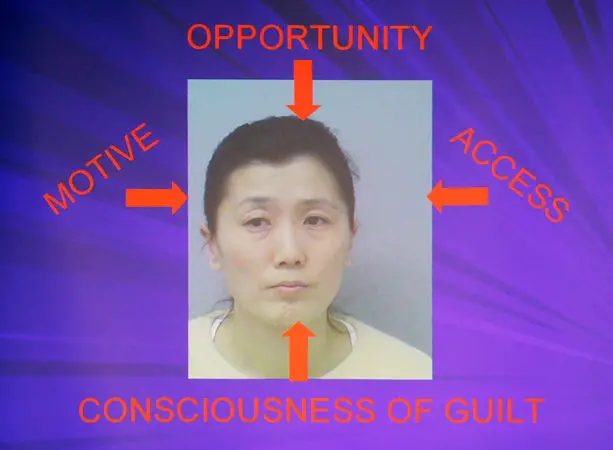
| Forensic Modus Operandi | Clandestine administration of heavy metal thallium leveraging professional access as a chemist |
| Weapon / Mechanism of Death | Thallium (neurotoxic and renal failure agent) |
| Motive / Behavioral Dynamics | Severe marital discord and ongoing contentious divorce proceedings |
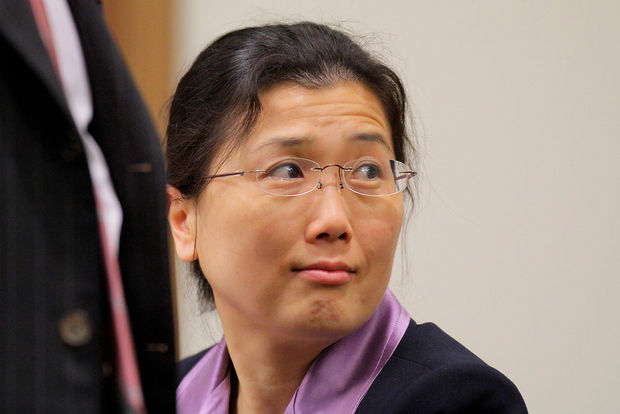
| Judicial Outcome | Convicted of murder and obstruction of justice |
1. Background and Profile
Tianle Li, professionally known as Heidi, emigrated from China to the United States. With an advanced scientific background, she had been employed as a research chemist at Bristol-Myers Squibb since 2001. She lived with her husband, Xiaoye Wang, a computer engineer also native to China, in Monroe Township, New Jersey, with whom she shared a young son. Despite apparent professional stability, their marriage deteriorated severely starting in April 2009, resulting in repeated domestic disturbances and an active divorce process.
2. Crime Spree and Modus Operandi
Between late December 2010 and January 2011, Li utilized her specialized chemical knowledge and professional access to acquire thallium, a highly toxic heavy metal. Thallium disrupts potassium regulation in the human body, progressively attacking the nervous system, gastrointestinal tract, and kidneys, presenting symptoms that easily mimic common viral illnesses. Li covertly administered the poison to her husband, causing a slow and agonizing decline that initially baffled attending physicians.
3. Investigation and Forensic Hunt
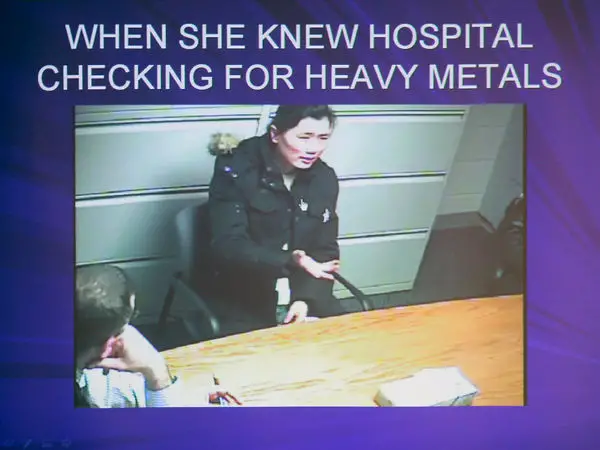
In January 2011, Xiaoye Wang was admitted to a Princeton hospital presenting flu-like symptoms. Following weeks of deterioration and exhaustive testing, toxicological screening revealed thallium poisoning on January 25. Wang died the following day. The case triggered a high-level joint investigation involving local police, the New Jersey State Police, and the FBI. Forensic searches of the couple's residence ruled out environmental exposure, focusing investigative efforts entirely on Li due to her professional access to the toxin and their troubled domestic situation.
4. Legal Proceedings and Outcome
Li was initially arrested on January 28, 2011, for hindering her own apprehension by providing false statements to investigators. Once the autopsy confirmed thallium poisoning as the cause of death, Middlesex County prosecutors upgraded the charges to murder. Her bail was substantially increased to $4 million. While the defense argued that divorce terms had been largely settled and financial support for the child was secured, the physical and circumstantial evidence linking Li to the acquisition and administration of the poison formed an airtight case leading to her conviction and imprisonment.