Forensic & Criminological Matrix
| Parameter | Forensic Detail |
|---|---|
| Forensic Heading / Aliases | N/A |
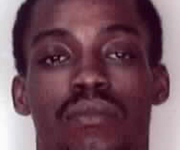
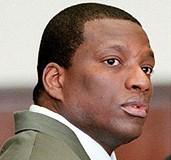
| Legal Identity | Dexter Alonzo Levingston |
| Confirmed Victims | 5 |
| Attributed / Indicted Victims | 5 |
| Active Timeline | October 2000 |
| Jurisdiction / Area of Operations | Seffner, Florida, USA |
| Criminological Classification | Multiple Homicide (Domestic) |
| Forensic Modus Operandi | Firearm usage in a domestic setting |
| Weapon / Mechanism of Death | Handgun |
| Motive / Behavioral Dynamics | Interpersonal conflict and domestic instability |
| Judicial Outcome | Arrested after police standoff |
1. Background and Profile
Dexter Alonzo Levingston, born circa 1975, suffered from profound deafness and mild cognitive impairment due to spinal meningitis in infancy. He was raised by his aunt, Nancy Marlins, with whom he shared a close but volatile bond. His criminal record included minor offenses such as shoplifting and battery, reflecting a history of social maladjustment.
2. Crime Spree
In October 2000, the residence of Nancy Marlins became the site of a mass casualty event. The household, characterized by overcrowding and financial stress, had been the scene of previous altercations between Levingston and other residents, specifically Barry Cacciamani. On October 24, 2000, five victims were discovered deceased: Nancy Marlins, Lillie Cacciamani, Barry Cacciamani, Connie Carter, and 12-year-old Michele Murtha.
3. Investigation and Arrest
Law enforcement arrived at the scene to find Levingston barricaded in the garage with a handgun. A standoff ensued, ending with the use of tear gas to extract the suspect. The investigation was marked by the complexity of the domestic dynamics and the lack of immediate clarity regarding the sequence of events leading to the homicides.
4. Legal Proceedings and Outcome
Levingston was held without bail. His inability to communicate through sign language or lip-reading posed significant challenges for legal counsel and investigators. The case remains a somber example of the consequences of untreated mental health issues and domestic overcrowding.