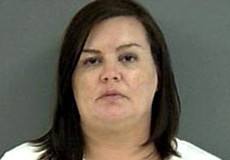





Forensic & Criminological Matrix
| Parameter | Forensic Detail |
|---|---|
| Forensic Heading / Aliases | The Killer Cop / Stephanie Lazarus |
| Legal Identity | Stephanie Ilene Lazarus |
| Confirmed Victims | 1 (Sherri Rasmussen) |
| Active Timeline | February 24, 1986 |
| Jurisdiction / Area of Operations | Van Nuys, Los Angeles, California, United States |
| Criminological Classification | Passion homicide / Law enforcement offender |
| Forensic Modus Operandi | Forced entry, physical assault, staging of a botched burglary, and execution-style shooting |
| Weapon / Mechanism of Death | 9mm Walther PPK handgun and blunt force trauma |
| Motive / Behavioral Dynamics | Obsessive jealousy, possessiveness, and thwarted entitlement |
| Judicial Outcome | Convicted in 2012 of first-degree murder; sentenced to 27 years to life imprisonment |
1. Background and Psychopathy
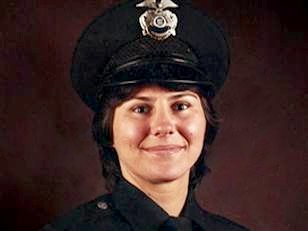
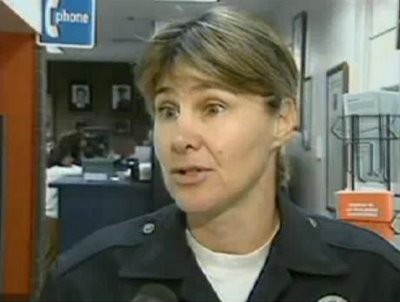
Stephanie Ilene Lazarus joined the Los Angeles Police Department (LAPD) in 1983. Prior to her career in law enforcement, she maintained a tumultuous relationship with John Ruetten. When Ruetten ended the relationship to marry Sherri Rasmussen, a 29-year-old hospital nursing director, Lazarus exhibited severe difficulties in processing rejection, developing an obsessive fixation characterized by entitlement and possessive surveillance.
2. Crime Spree
On February 24, 1986, Rasmussen was found murdered in her Van Nuys townhouse. The initial police investigation categorized the incident as a residential burglary gone wrong due to staged signs of forced entry and ransacking. However, biological evidence—specifically a bite mark on the victim's arm containing saliva—was preserved in cold storage, which would later become the forensic linchpin of the case.
3. Investigation and Arrest
Cold case investigators reopened the file in 2009 and resubmitted the bite mark evidence for DNA testing. The profile returned matched to a female donor. Investigators subsequently identified Lazarus as a former girlfriend who had never been properly vetted by the original homicide detectives. A covert operation secured DNA from a discarded beverage cup, yielding a conclusive match to the saliva recovered from the crime scene.
4. Legal Proceedings and Outcome
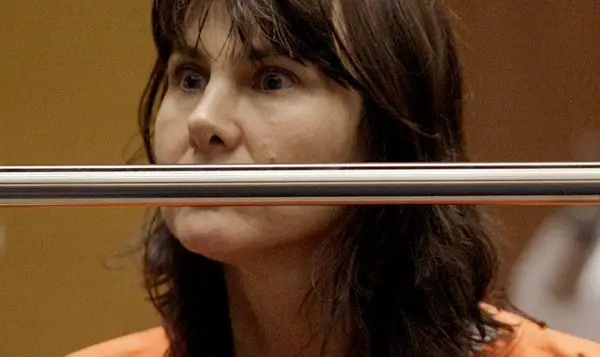
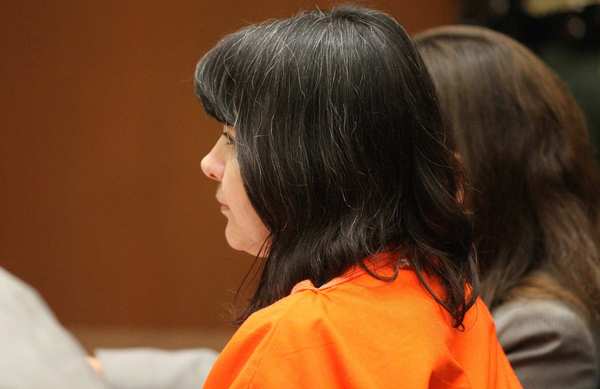
Lazarus was arrested in June 2009 inside her LAPD workspace. Her 2012 trial exposed how her status as a police officer enabled her to manipulate initial investigative steps and deflect suspicion for 23 years. The jury found her guilty of first-degree murder, and she received a sentence of 27 years to life.
5. Criminological Assessment
Lazarus represents a rare intersection of law enforcement authority and interpersonal homicide, utilizing her occupational familiarity with forensic countermeasures to obstruct justice for decades before advancements in DNA technology ensured her conviction.