




Forensic & Criminological Matrix
| Parameter | Forensic Detail |
|---|---|
| Forensic Heading / Aliases | The French Monster, La Pagette, Paige, Parrish, Paize, Le Paize |
| Legal Identity | Joseph LaPage |
| Confirmed Victims | 2 |
| Attributed / Indicted Victims | 4 |
| Active Timeline | 1874-1875 |
| Jurisdiction / Area of Operations | Canada and United States (Vermont, New Hampshire) |
| Criminological Classification | Serial Killer |
| Forensic Modus Operandi | Stalking, blunt force trauma, sexual assault, mutilation, and decapitation |
| Weapon / Mechanism of Death | Dingle wagon stick, knife, and straight razor |
| Motive / Behavioral Dynamics | Sexual predation and sadism |
| Judicial Outcome | Executed by hanging |
1. Background and Profile
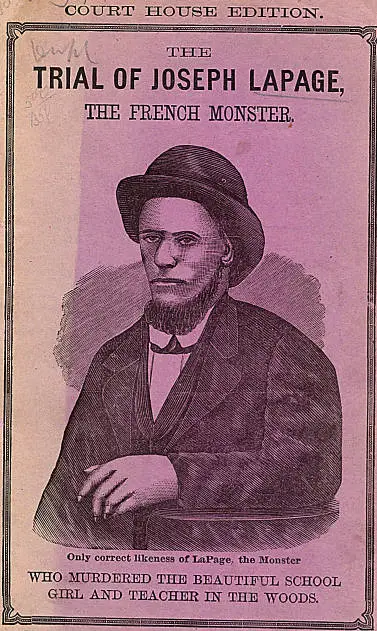
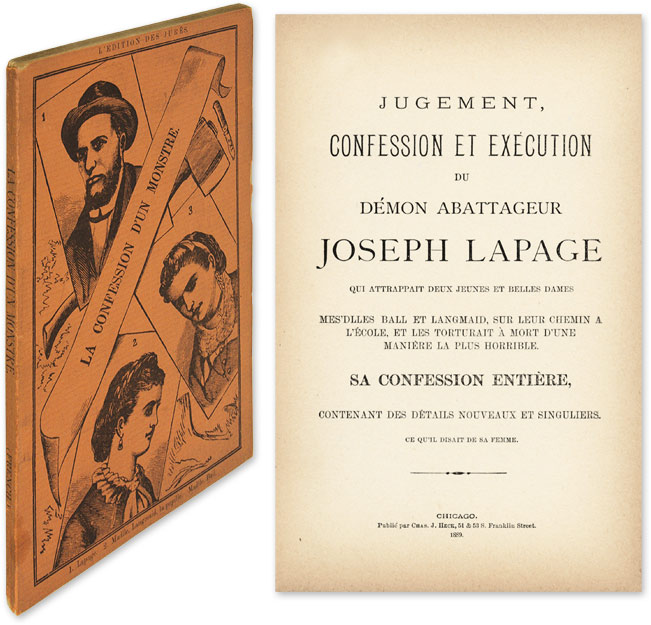
Joseph LaPage was a Canadian-born serial killer whose criminal career was marked by extreme sadistic violence. Prior to his activities in the United States, he had a history of sexual assault in Canada. His psychological profile was that of a recidivist sexual predator with a pathological obsession with stalking young women in rural areas.
2. Criminal Career and Modus Operandi
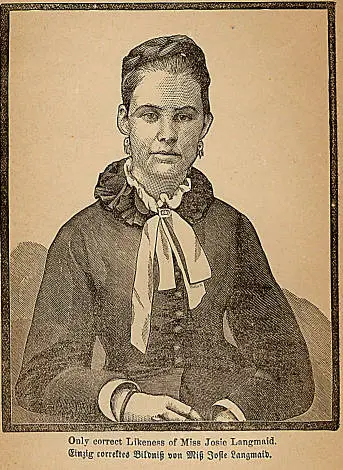
LaPage's modus operandi involved the systematic stalking of young students. In 1874, he murdered a school teacher named Miss Ball in St. Albans, Vermont. In 1875, in Pembroke, New Hampshire, he murdered 17-year-old Josie Langmaid. His crimes were characterized by the use of blunt force to incapacitate victims, followed by rape, mutilation, and decapitation. He frequently carried a wooden club, which was later identified as the murder weapon in the Langmaid case.
3. Investigation and Arrest
The initial investigation into the Langmaid case was flawed, leading to the wrongful detention of William Drew and Charles Moody. The turning point occurred when Mr. Abell, LaPage's former landlord in Vermont, recognized the details of the crime in the press and linked the suspect to the murder of Miss Ball. A positive identification by Charles Fowler, the father of a friend of the victim, was instrumental in locating LaPage in Suncook.
4. Legal Proceedings and Outcome
Following his arrest, incriminating evidence was found in his home, including a blood-stained razor and clothing. LaPage eventually confessed to both murders under the pressure of forensic evidence and the testimony of his own sons, who recanted their previous alibis. He was tried, convicted, and sentenced to death.
5. Forensic Conclusion
LaPage was executed by hanging on March 16, 1878, at the state prison in Concord, New Hampshire. Before his execution, he provided a detailed confession to a priest and drew a map to locate the personal belongings of Josie Langmaid, effectively closing one of the most heinous cases of the 19th century in New England.