Forensic & Criminological Matrix
| Parameter | Forensic Detail |
|---|---|
| Forensic Heading / Aliases | None |
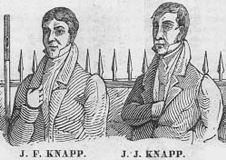
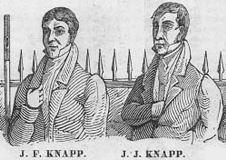
| Legal Identity | John Francis Knapp and Joseph Jenkins Knapp |
| Confirmed Victims | 1 |
| Attributed / Indicted Victims | 1 |
| Active Timeline | 1830 |
| Jurisdiction / Area of Operations | Salem, Massachusetts |
| Criminological Classification | Contract Killers / Greed-based |
| Forensic Modus Operandi | Hired assassination via physical assault |
| Weapon / Mechanism of Death | Club / Blunt force trauma |
| Motive / Behavioral Dynamics | Financial greed (inheritance) |
| Judicial Outcome | Execution by hanging |
1. Background and Profile
The Knapp brothers were members of a well-established Salem family. Their criminal behavior was driven by the desire to accelerate an inheritance through the elimination of a wealthy relative by marriage.
2. Criminal Career and Modus Operandi
Joseph Jenkins Knapp masterminded the plot to murder Captain Joseph White. They hired Richard Crowninshield to commit the physical act of murder, which involved entering the victim's home and bludgeoning him to death.
3. Investigation and Arrest
The investigation was a landmark in American legal history, relying heavily on circumstantial evidence to link the conspirators. The discovery of the plot exposed the deep-seated greed within the family structure.
4. Legal Proceedings and Outcome
The trial is famous for the prosecution led by Daniel Webster. The legal proceedings successfully established the culpability of the brothers, leading to their conviction for murder.
5. Forensic Conclusion
Following their conviction, the brothers faced the ultimate penalty. John Francis Knapp was executed by hanging in 1830, concluding a case that remains a significant study in early 19th-century American jurisprudence.