Forensic & Criminological Matrix
| Parameter | Forensic Detail |
|---|---|
| Forensic Heading / Aliases | Susumu Kitagawa |
| Legal Identity | Susumu Kitagawa |
| Confirmed Victims | 2 |
| Attributed / Indicted Victims | 2 |
| Active Timeline | 1983 - 1989 |
| Jurisdiction / Area of Operations | Chiba and Kochi Prefectures, Japan |
| Criminological Classification | Serial Killer (Police Officer) |
| Forensic Modus Operandi | Abduction, rape, and strangulation |
| Weapon / Mechanism of Death | Manual strangulation |
| Motive / Behavioral Dynamics | Sexual and financial gain |
| Judicial Outcome | Death penalty, executed 2005 |
1. Background and Profile
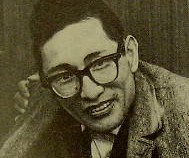
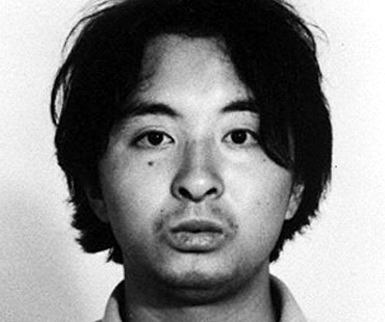
Susumu Kitagawa was a police officer serving in the Kanagawa Prefectural Police. His criminological profile is characterized by the stark contrast between his public duty as a law enforcement officer and his private predatory behavior, exploiting his authority to target victims.
2. Crime Spree
Kitagawa's modus operandi involved the targeting of young women. In August 1983, in Chiba, he raped and strangled an 18-year-old woman, stealing 15,000 yen. In February 1989, in Kochi Prefecture, he committed a similar crime against a 24-year-old woman, stealing 20,000 yen after murdering her.
3. Investigation and Arrest
The investigation was notably difficult due to the perpetrator's status as a police officer. Forensic evidence and financial tracking eventually linked the two murders to Kitagawa, leading to his arrest and subsequent prosecution.
4. Legal Proceedings and Outcome
Following his arrest, Kitagawa was tried and convicted of robbery, rape, and murder. His appeal was rejected by the Supreme Court of Japan in February 2000, upholding the death sentence.
5. Forensic Conclusion
Susumu Kitagawa was executed by hanging on September 16, 2005, at the Osaka Detention House. His execution was the first in Japan for that year, signed by Justice Minister Chieko Noono.