



Forensic & Criminological Matrix
| Parameter | Forensic Detail |
|---|---|
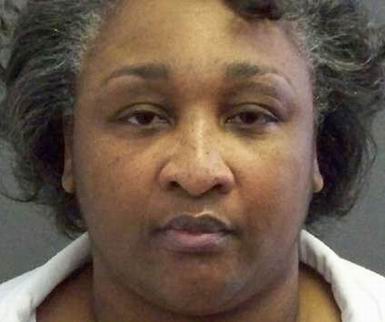
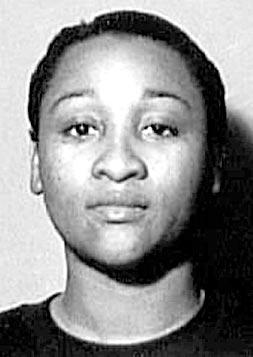
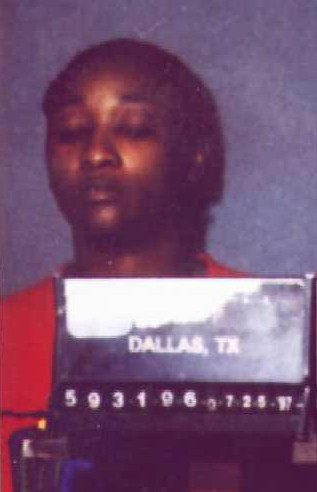
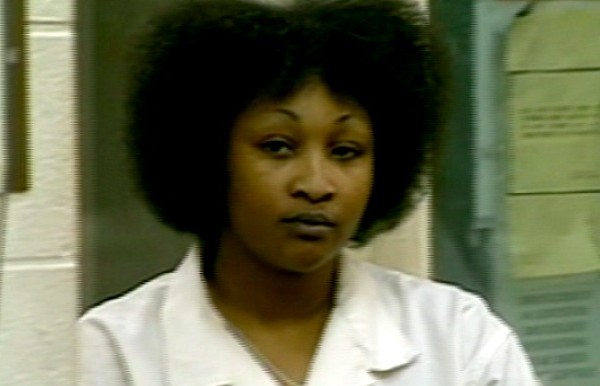
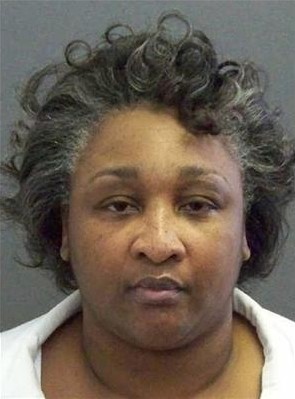
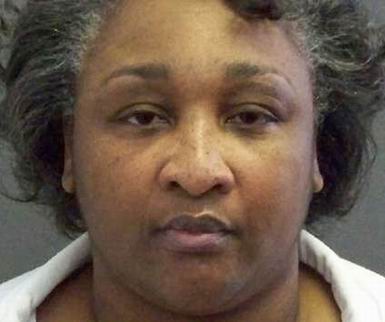
| Full Legal Identity | Kimberly LaGayle McCarthy. |
| Criminological Typology | Aggravated robbery-homicide offender / Drug-fueled opportunistic predator. |
| Date of Crime | July 21, 1997. |
| Crime Scene | Lancaster, Dallas County, Texas, United States. |
| Proven Fatal Victim | Dorothy Booth (aged 71), retired university psychology professor. |
| Uncharged Suspected Murders | Maggie Harding (aged 81) and Jettie Lucas (aged 85), elderly neighbors murdered in identical fashion in 1988. |
| Weapons Employed | Heavy ornamental metal candelabra and a 10-inch butcher knife. |
| Distinguishing Forensic Indicator | Severing/amputation of the victim's left ring finger to steal a diamond wedding band. |
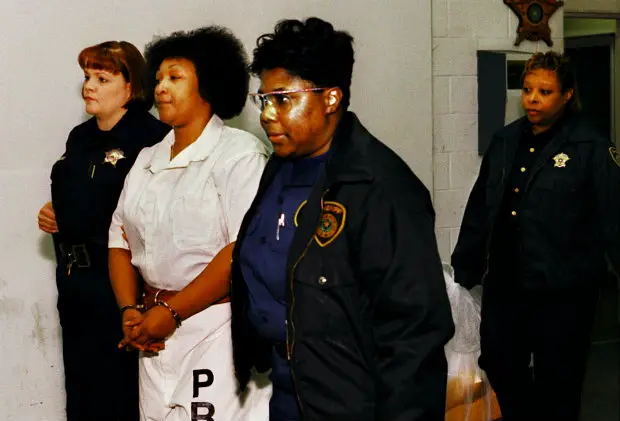
| Judicial Penalty | Death by lethal injection. Executed at the Huntsville Unit on June 26, 2013, marking the 500th execution in Texas since capital punishment was reinstated in 1976. |
Background and Addictive Spiral
Kimberly LaGayle McCarthy was born on May 11, 1961, in Greenville, Texas. Although she maintained long-term employment as an occupational nursing-home therapist and attended college courses, her life collapsed in the late 1980s under an unyielding addiction to crack cocaine. She had previously been married to Aaron Michaels, founder of the New Black Panther Party's Dallas branch.
By 1997, unemployed and desperate to finance round-the-clock narcotics runs, McCarthy targeted vulnerable elderly women in her neighborhood through ruses and home invasion assaults.
The Murder of Dorothy Booth (July 1997)
On the morning of July 21, 1997, McCarthy knocked on the front door of 71-year-old Dorothy Booth in Lancaster, asking to borrow a cup of sugar. Booth, a compassionate retired psychology instructor who had known McCarthy as a former neighbor, welcomed her inside.
Once in the kitchen, McCarthy ambushed Booth from behind. She bludgeoned the elderly woman with a heavy iron candelabro, crushing her skull, and then seized a large butcher knife, stabbing her five times in the chest and neck. When Booth's swollen diamond wedding band proved difficult to slip off, McCarthy brutally severed the woman's left ring finger with the knife. She grabbed Booth's handbag and credit cards, took the keys to her 1993 white Mercedes-Benz, and sped away.
McCarthy drove directly to a Dallas pawnshop, where she hocked the bloodstained diamond ring for $200 and traded the proceeds immediately for crack.
Forensic Evidence and Prior Cold Cases
Booth's daughter found her mother's mutilated body the following day. Detectives swiftly matched pawn ticket records where McCarthy had used her genuine state ID card and provided her thumbprint. When arrested, McCarthy possessed Booth's Mercedes keys, and blood matched to Booth was extracted from her garments.
Furthermore, forensic investigators discovered compelling circumstantial links connecting McCarthy to two unsolved cold-case homicides in the same neighborhood: the 1988 bludgeoning and stabbing of 81-year-old Maggie Harding and the 1988 beating and throat-slashing of 85-year-old Jettie Lucas. In both cases, McCarthy had been one of the last people seen at their homes.
Capital Trials and the 500th Texas Execution
In 1998, a Dallas County jury convicted McCarthy of capital murder and sentenced her to death. Although the Texas Court of Criminal Appeals overturned the conviction in 2002 due to procedural errors in counsel representation during interrogation, a retrial that same year concluded with an identical capital conviction and death sentence.
In early 2013, appellate attorneys mounted high-profile stays arguing unconstitutional racial bias during jury selection (McCarthy was African American, tried before a predominantly white jury). Following two reprieves, federal courts rejected the petitions.
On June 26, 2013, at age 52, Kimberly McCarthy was executed by lethal injection of pentobarbital in Huntsville, Texas. Her death attracted international scrutiny as Texas reached the symbolic threshold of 500 executions in the modern death penalty era.