




Forensic & Criminological Matrix
| Parameter | Forensic Detail |
|---|---|
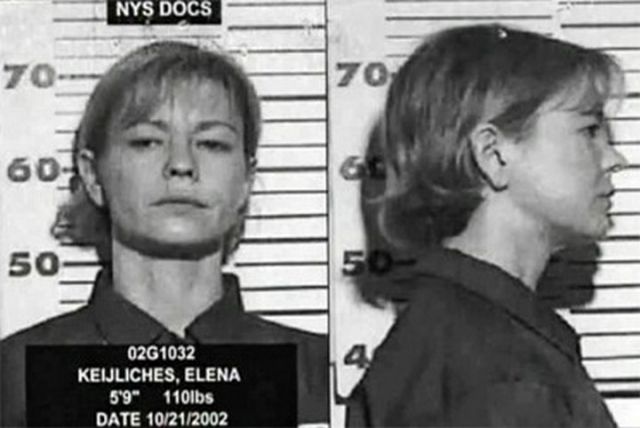
| Forensic Heading / Aliases | Elena Kiejliches |
| Legal Identity | Elena Kiejliches |
| Confirmed Victims | 1 (Borys Kiejliches) |
| Active Timeline | March 24, 2000 |
| Jurisdiction / Area of Operations | Staten Island, New York, USA |
| Criminological Classification | Spousal homicide motivated by financial gain |
| Forensic Modus Operandi | Execution-style shooting in the residential basement, concealment of the corpse inside a cardboard barrel disposed of in a marsh. |
| Weapon / Mechanism of Death | Large-caliber firearm |
| Motive / Behavioral Dynamics | Financial disputes, fear of destitution following divorce threats, and marital infidelity |
| Judicial Outcome | Convicted in 2002 of second-degree murder and evidence tampering, sentenced to 22 years to life in prison. |
1. Background and Psychopathy
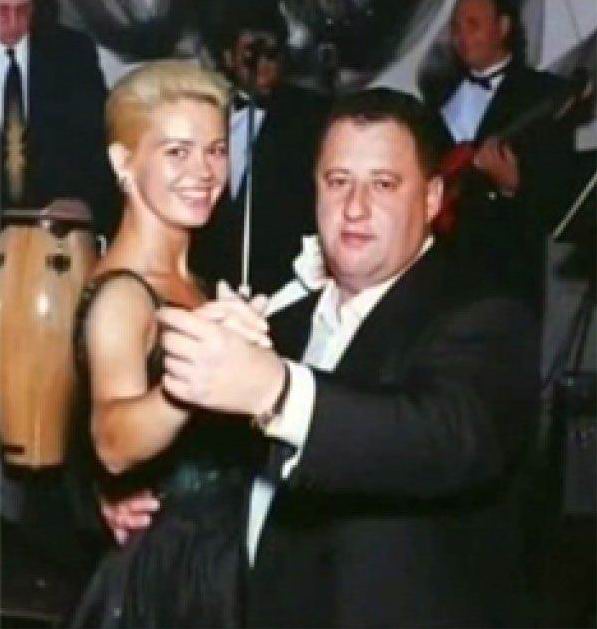
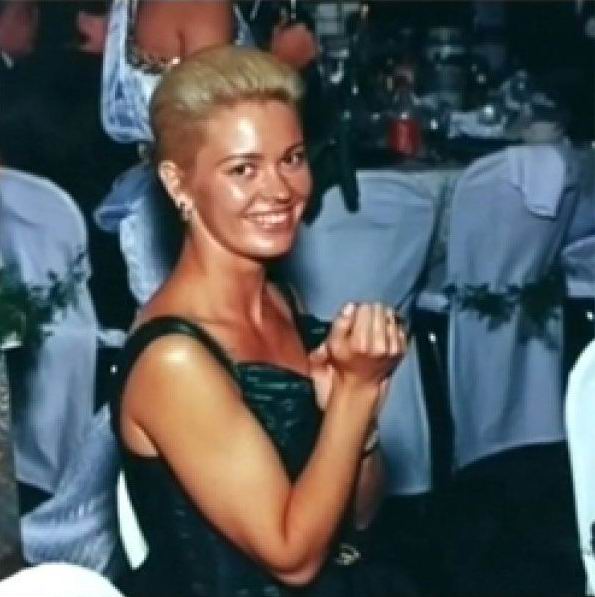
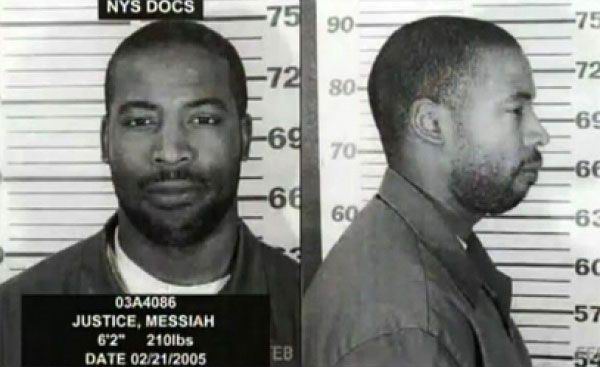
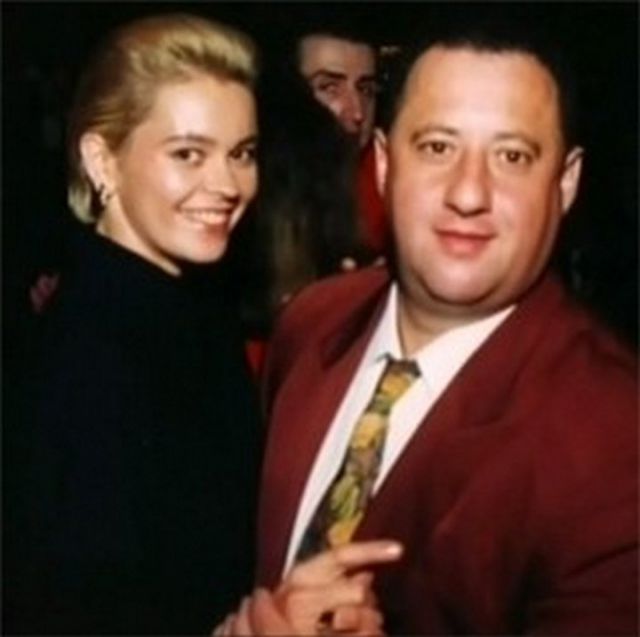
Elena Kiejliches, a Russian émigré residing in the upscale Todt Hill neighborhood of Staten Island, New York, cultivated the image of an affluent suburban life. Married to Borys Kiejliches, a wealthy jet-fuel magnate worth an estimated $3 million, she lived in a sprawling mansion with their two children. Beneath the veneer of material success, the marriage suffered from acute friction, allegations of domestic disturbances, and an extramarital affair between Elena and Messiah Justice, an aspiring rapper and local felon.
2. Crime Spree
On March 24, 2000, following an intense altercation over money, potential divorce proceedings, and financial ruin threatened by her husband upon discovering her infidelity, Kiejliches committed the murder. According to forensic reconstruction and accomplice testimony, she shot Borys in the back of the head in the basement of their residence while their young children slept upstairs. She subsequently enlisted Messiah Justice to help dispose of the body. The corpse was wrapped in sheets and towels, stuffed into a cardboard barrel, and dumped into an inlet near the Brooklyn-Queens border. To establish a false narrative, Kiejliches took her children on a vacation to Disney World before reporting her husband missing.
3. Investigation and Arrest
The discovery of Borys Kiejliches's highly decomposed body in April 2000 initially led investigators to consider organized crime angles due to his business ventures. However, forensic analysis and detective work quickly pivoted toward the domestic circle upon uncovering Elena's relationship with Justice. A search of the pristine residence revealed a missing section of carpet, indicating a deliberate attempt to sanitize biological evidence. Justice was apprehended and cooperated with law enforcement, detailing how Kiejliches had confessed to the shooting and solicited his assistance in body disposal.
4. Legal Proceedings and Outcome
The trial took place at the Staten Island Supreme Court in mid-2002. The prosecution portrayed Kiejliches as a calculated killer motivated by greed and self-preservation. The defense sought to undermine Messiah Justice's credibility, depicting him as an opportunistic felon seeking a plea deal. Following a brief three-hour deliberation, the jury convicted Kiejliches of second-degree murder and evidence tampering. In September 2002, she received a sentence of 22 years to life. Subsequent federal appeals challenging the verdict and evidentiary issues were rejected by district judges.
5. Psychiatric Assessment and Aftermath
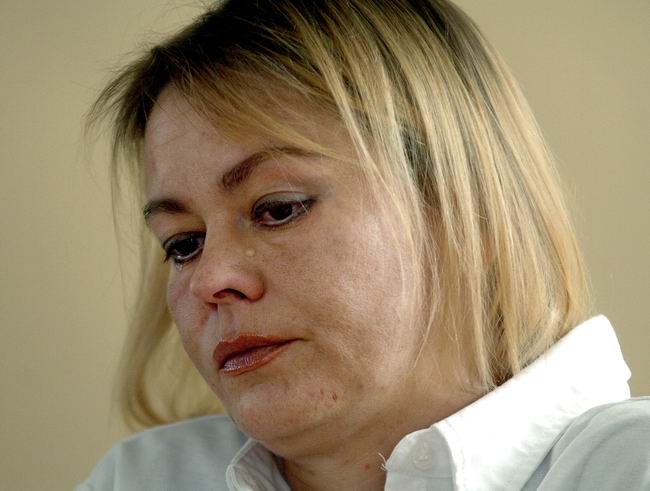
From a criminological standpoint, Kiejliches's actions reflect an instrumental homicide driven by the preservation of socioeconomic status and the elimination of a perceived financial threat posed by marital dissolution. Despite maintaining her innocence throughout decades of incarceration and blaming her former lover, the judicial rulings consistently upheld the validity of the circumstantial evidence and co-conspirator testimony.