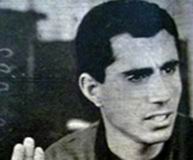
Forensic & Criminological Matrix
| Parameter | Forensic Detail |
|---|---|
| Forensic Heading / Aliases | Hero of Sinai |
| Legal Identity | Suleiman Mohammed Abdul-Hamid Khater |
| Confirmed Victims | 8 |
| Attributed / Indicted Victims | 8 |
| Active Timeline | October 5, 1985 |
| Jurisdiction / Area of Operations | Ras Burqa, Sinai Peninsula, Egypt |
| Criminological Classification | Mass Murderer |
| Forensic Modus Operandi | Armed assault on civilians and law enforcement |
| Weapon / Mechanism of Death | Assault rifle |
| Motive / Behavioral Dynamics | Radical nationalism / Geopolitical conflict |
| Judicial Outcome | Life imprisonment; death in custody |
1. Background and Profile
Suleiman Mohammed Abdul-Hamid Khater was an Egyptian soldier stationed in the Sinai Peninsula. His criminological profile is deeply rooted in the geopolitical tensions following the Egypt-Israel peace treaty. There were no prior criminal records, but his radicalization culminated in the 1985 massacre.
2. Crime Spree
On October 5, 1985, while on duty at the Ras Burqa outpost, Khater opened fire on a group of Israeli tourists. The attack resulted in the deaths of seven tourists and one Egyptian police officer. The use of military-grade weaponry against civilians characterizes this event as a mass murder.
3. Investigation and Arrest
The investigation was handled by military authorities due to the political implications. Khater was apprehended at the scene. The crime scene was secured under high-level military oversight, as the incident posed a significant threat to international relations.
4. Legal Proceedings and Outcome
Khater faced a military tribunal. Despite international pressure for a harsh sentence, the trial became a focal point for Egyptian nationalist sentiment, with many viewing him as a hero. He was sentenced to life imprisonment with hard labor.
5. Forensic Conclusion and Death
On January 7, 1986, Khater was found dead in his prison cell. Official reports stated the cause of death as suicide by hanging. However, this remains a subject of intense debate, with many suspecting state-sponsored foul play to resolve the political dilemma his existence created.