Forensic & Criminological Matrix
| Parameter | Forensic Detail |
|---|---|
| Forensic Heading / Aliases | None |
| Legal Identity | Henry Vincent Keogh |
| Confirmed Victims | 0 (Conviction overturned) |
| Attributed / Indicted Victims | 1 (Anna-Jane Cheney) |
| Active Timeline | 1994 |
| Jurisdiction / Area of Operations | Adelaide, South Australia |
| Criminological Classification | Spousal homicide (alleged) |
| Forensic Modus Operandi | Bathtub drowning (refuted forensic theory) |
| Weapon / Mechanism of Death | Forced immersion |
| Motive / Behavioral Dynamics | Financial gain (life insurance policies) |
| Judicial Outcome | Conviction overturned in 2014 after 20 years imprisonment |
1. Background and Profile
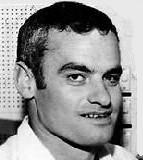
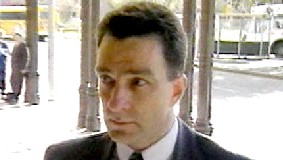
Henry Vincent Keogh was an insurance agent based in Adelaide, South Australia. Educated at Saint Ignatius College and the University of Adelaide, he was a prominent figure in his social circle. In 1994, he was engaged to Anna-Jane Cheney, a high-ranking solicitor at the Law Society of South Australia.
2. Crime Spree
On March 22, 1994, Anna-Jane Cheney was found dead in her bathtub. While initially treated as an accidental death, the investigation shifted when police discovered Keogh had taken out life insurance policies on her. The prosecution alleged he drowned her to claim over $1 million AUD, utilizing the 'brides in the bath' theory to explain the mechanics of the crime.
3. Investigation and Arrest
Chief Forensic Pathologist Colin Manock testified that he observed grip marks on Cheney's calves, which he claimed were indicative of the killer holding her underwater. This testimony was the cornerstone of the prosecution's case. Later independent reviews by experts like Dr. Stephen Cordner and Dr. Byron Collins exposed that these marks were not bruises and that the drowning scenario was physically implausible.
4. Legal Proceedings and Outcome
Keogh was convicted in 1995 and sentenced to 26 years. His legal team, led by Kevin Borick QC, filed numerous petitions over the following years. In 2014, the South Australian Court of Criminal Appeal quashed the conviction, citing a miscarriage of justice caused by the unreliable forensic evidence presented at trial. Keogh was subsequently released.