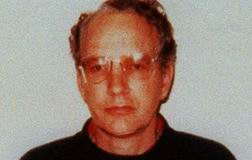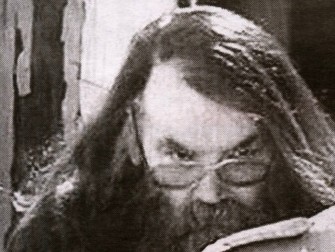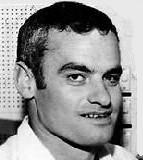
Forensic & Criminological Matrix
| Parameter | Forensic Detail |
|---|---|
| Forensic Heading / Aliases | None |
| Legal Identity | Leith McDonald Ratten |
| Confirmed Victims | 1 |
| Attributed / Indicted Victims | 1 |
| Active Timeline | May 7, 1970 |
| Jurisdiction / Area of Operations | Echuca, Victoria, Australia |
| Criminological Classification | Parricide |
| Forensic Modus Operandi | Firearm discharge (shotgun) |
| Weapon / Mechanism of Death | Double-barrelled shotgun |
| Motive / Behavioral Dynamics | Marital infidelity and desire to leave family |
| Judicial Outcome | Death sentence (commuted to 25 years imprisonment) |
1. Background and Profile
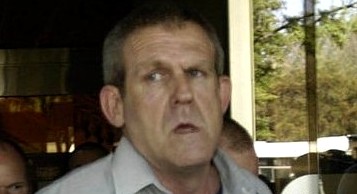
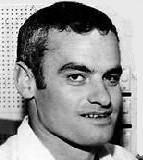
Leith McDonald Ratten (1938–2012) was the subject of one of the most contentious criminal cases in Victorian legal history. Living in Echuca, Ratten's life changed irrevocably on May 7, 1970, when his wife, Beverley Joan Ratten, who was eight months pregnant, was killed by a gunshot wound.
2. Crime Spree
On the day of the incident, police arrived at the Ratten home to find Beverley deceased in the kitchen. Leith Ratten claimed he was cleaning a rusty shotgun when it accidentally discharged. Investigators, however, uncovered evidence of an affair with a family friend, Jennifer Kemp, and noted that Ratten had been planning to leave his wife, providing a strong motive for the act.
3. Investigation and Arrest
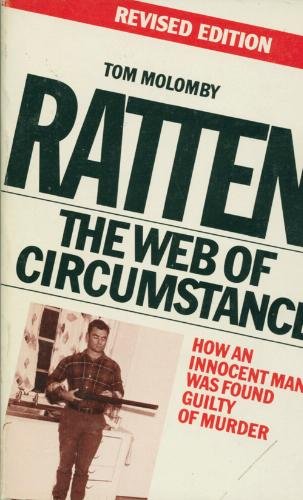
The investigation focused on the forensic impossibility of the accidental discharge theory. Despite the defense's argument that the evidence was purely circumstantial, the prosecution successfully argued that the motive was clear. The case became a cause célèbre for legal experts who believed the conviction was based on moral judgment rather than forensic certainty.
4. Legal Proceedings and Outcome
Ratten was tried in Shepparton in 1970 and sentenced to death, later commuted to 25 years. Four separate appeals were filed, including a 1973 exhumation of the victim's body, but all were dismissed. Ratten served 13 years and was released in 1983. He maintained his innocence until his death in 2012.