Forensic & Criminological Matrix
| Parameter | Forensic Detail |
|---|---|
| Forensic Heading / Aliases | The East-Harlem Rapist |
| Legal Identity | Arohn Kee |
| Confirmed Victims | 3 |
| Attributed / Indicted Victims | 4 |
| Active Timeline | 1991 - 1998 |
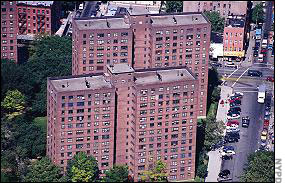
| Jurisdiction / Area of Operations | East Harlem, Manhattan, New York City |
| Criminological Classification | Serial Killer / Serial Rapist |
| Forensic Modus Operandi | Stalking, sexual assault, and strangulation |
| Weapon / Mechanism of Death | Physical force, manual strangulation |
| Motive / Behavioral Dynamics | Sexual predation and sadism |
| Judicial Outcome | Life imprisonment |
1. Background and Profile
Arohn Kee (born 1973) is an American serial killer who operated primarily in the East Harlem neighborhood of Manhattan. His criminal profile is that of a sexual predator who escalated from violent sexual assaults to homicide, targeting young women in densely populated urban environments.
2. Criminal Career and Modus Operandi
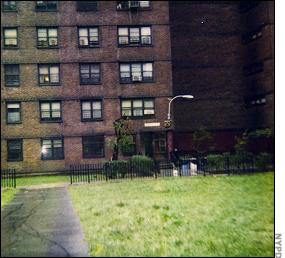
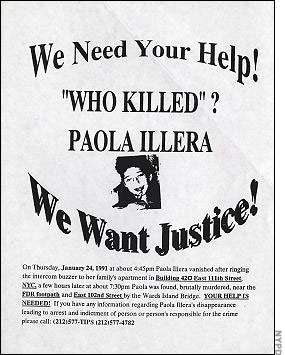
Between 1991 and 1998, Kee was responsible for at least four rapes and three confirmed murders. His modus operandi involved stalking victims on the streets of East Harlem, often following them into residential buildings where he would commit sexual assault and subsequently strangle his victims to prevent identification.
3. Investigation and Arrest
The investigation was highly complex due to the nature of the attacks in a high-density area. The New York Police Department (NYPD) utilized DNA evidence and survivor testimony to link the cases. Media pressure and community cooperation were instrumental in identifying Kee as the perpetrator of this series of crimes.
4. Legal Proceedings and Outcome
Following an exhaustive investigation, Arohn Kee was apprehended and prosecuted. Judicial disposition: Sentenced in January 2001 to three consecutive life terms without parole plus 400 years in prison.
5. Psychiatric Assessment and Conclusion
Kee remains in custody. His behavior reflects a serial sexual predator pathology with a marked lack of remorse, classifying him as an individual of high recidivism risk.