Forensic & Criminological Matrix
| Parameter | Forensic Detail |
|---|---|
| Forensic Heading / Aliases | None recorded |
| Legal Identity | Kang Ho-sun |
| Confirmed Victims | 10 |
| Attributed / Indicted Victims | 10 |
| Active Timeline | 2005 - 2008 |
| Jurisdiction / Area of Operations | Gyeonggi Province, South Korea |
| Criminological Classification | Sexual Serial Killer |
| Forensic Modus Operandi | Vehicular abduction, sexual assault, and strangulation |
| Weapon / Mechanism of Death | Manual strangulation or ligatures |
| Motive / Behavioral Dynamics | Sexual predation and psychopathy |
| Judicial Outcome | Death sentence (awaiting execution) |
1. Background and Profile
Born in 1970, Kang Ho-sun presented a facade of social normalcy prior to his arrest. Forensic psychological evaluations identified him as a psychopath characterized by a profound lack of empathy, high impulsivity, and a systematic predatory drive directed at women.
2. Crime Spree
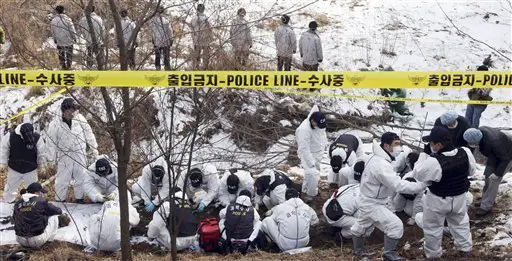
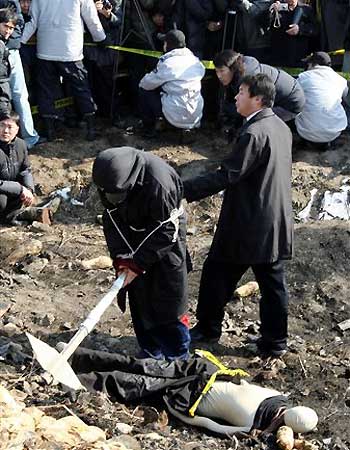
Between October 2005 and December 2008, Kang murdered 10 women. His modus operandi involved using his personal vehicle to intercept victims, often posing as a driver offering a ride. He would then transport them to isolated locations, sexually assault them, and strangle them to death, burying the bodies in rural areas across Gyeonggi Province.
3. Investigation and Arrest
The investigation gained momentum following a series of disappearances in the Ansan region. Police successfully linked the cases through DNA evidence and mobile phone signal tracking. Forensic evidence recovered from his vehicle and the burial sites proved critical in his identification.
4. Legal Proceedings and Outcome
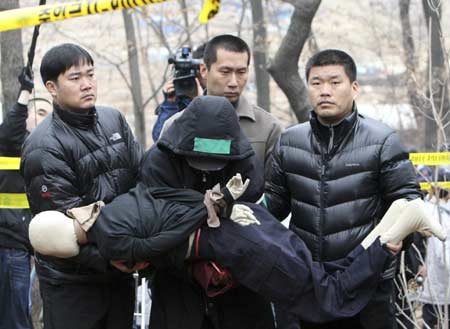
Kang was arrested in January 2009. Following intense interrogation and the presentation of irrefutable forensic evidence, he confessed to all 10 murders, including the 2005 killing of his wife and mother-in-law for insurance fraud. In April 2009, he was sentenced to death.
5. Psychiatric Evaluation and Status
Psychiatric experts diagnosed Kang as a psychopath with high manipulative capabilities. Although South Korea retains the death penalty, the country has maintained a de facto moratorium on executions since 1997; consequently, Kang remains imprisoned indefinitely.