



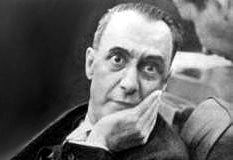
Forensic & Criminological Matrix
| Parameter | Forensic Detail |
|---|---|
| Forensic Heading / Aliases | N/A |
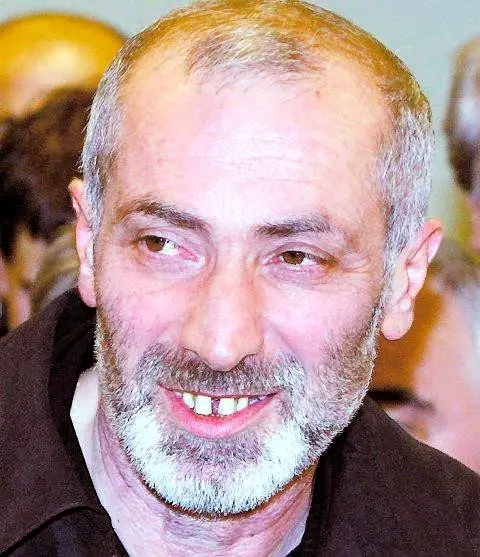
| Legal Identity | Vitaly Konstantinovich Kaloyev |
| Confirmed Victims | 1 |
| Attributed / Indicted Victims | 1 |
| Active Timeline | 2004 |
| Jurisdiction / Area of Operations | Kloten, Switzerland |
| Criminological Classification | Revenge-motivated homicide (Vigilante) |
| Forensic Modus Operandi | Stabbing in private residence |
| Weapon / Mechanism of Death | Hunting knife |
| Motive / Behavioral Dynamics | Pathological grief and self-administered justice |
| Judicial Outcome | Convicted, served prison time, released |
1. Background and Profile
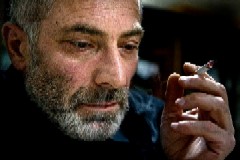
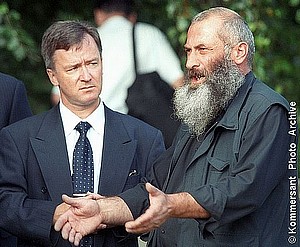
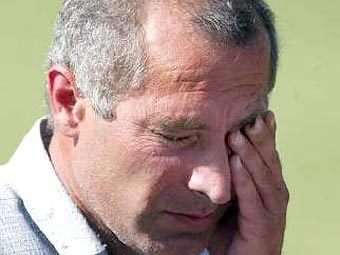
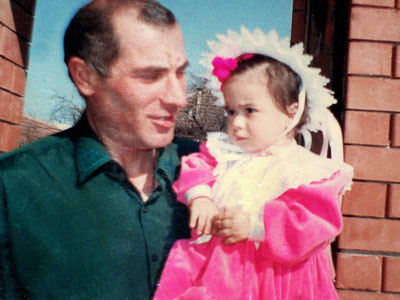
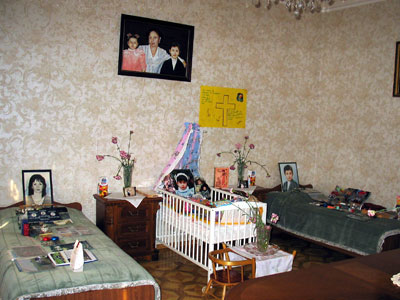
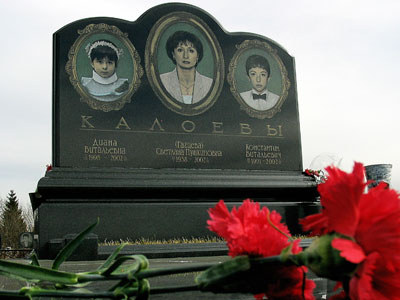
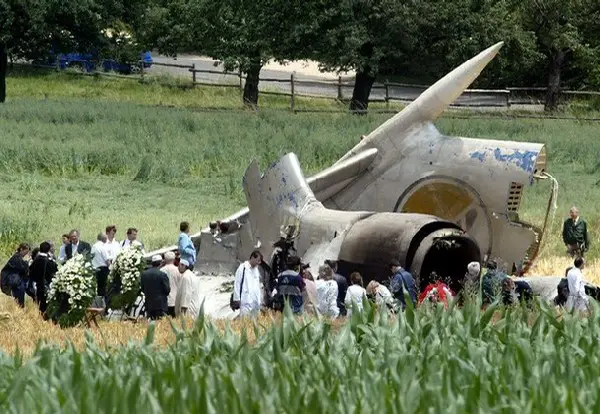
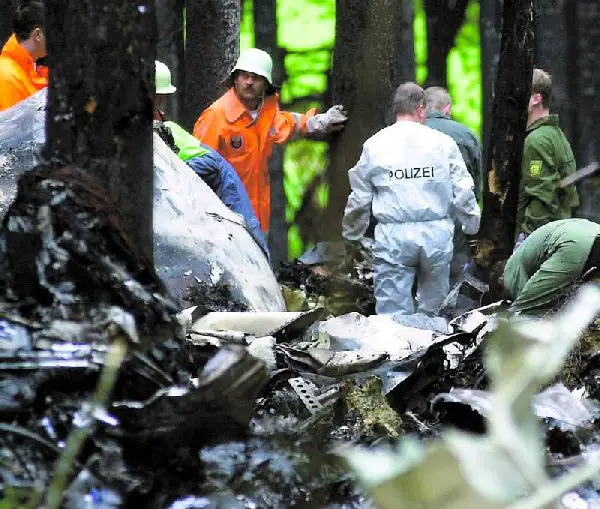
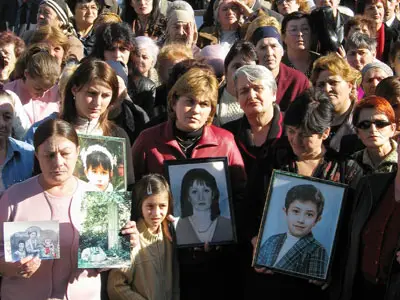
Vitaly Konstantinovich Kaloyev (born 1956) was a Russian architect whose life was shattered on July 1, 2002. His wife, Svetlana, and his two children, Konstantin and Diana, perished in the Überlingen mid-air collision. Kaloyev's subsequent involvement in the recovery of his family's remains at the crash site significantly impacted his mental state, leading to a profound, unresolved grief.
2. Criminal Career and Modus Operandi
Driven by a perceived lack of accountability from the air traffic control company, Skyguide, Kaloyev tracked down Peter Nielsen, the controller on duty during the collision. On February 24, 2004, he confronted Nielsen at his home in Kloten, Switzerland. The encounter escalated, and Kaloyev killed Nielsen using a hunting knife.
3. Investigation and Arrest
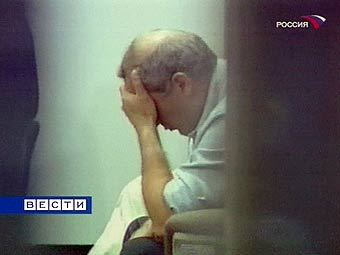
Swiss authorities apprehended Kaloyev shortly after the incident. He did not resist arrest and was found in his hotel room with evidence linking him to the crime scene. The investigation established that the act was premeditated, as Kaloyev had been monitoring Nielsen's residence.
4. Legal Proceedings and Outcome
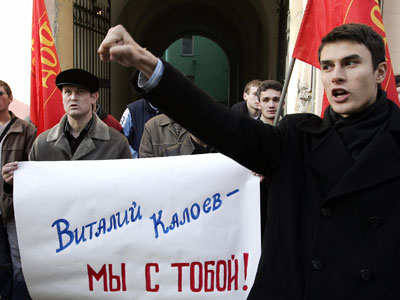
In 2005, a Swiss court sentenced Kaloyev to eight years in prison for manslaughter. The defense emphasized his diminished mental capacity due to the trauma. In 2007, following an appeal and psychiatric evaluation, his sentence was reduced, and he was released from custody.
5. Psychiatric Evaluation and Conclusion
Psychiatric reports highlighted severe post-traumatic stress disorder and an obsessive fixation on the controller as the sole perpetrator of his family's death. Following his release, Kaloyev returned to Russia, where his case remains a subject of intense public debate regarding justice and trauma.