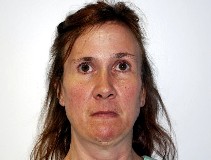




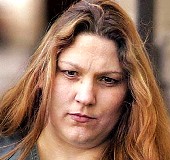
Forensic & Criminological Matrix
| Parameter | Forensic Detail |
|---|---|
| Forensic Heading / Aliases | Michele Kalina |
| Legal Identity | Michele G. M. Kalina |
| Confirmed Victims | 1 third-degree murder conviction / 5 hidden neonate remains |
| Active Timeline | 1996 - 2003 |
| Jurisdiction / Area of Operations | Reading, Pennsylvania, United States |
| Criminological Classification | Serial Neonaticide / Concealed Filicide |
| Forensic Modus Operandi | Systematic concealment of multiple pregnancies from spouse and co-workers, solitary unattended births, positional asphyxiation via tight wrapping with towels, and long-term storage of remains in sealed containers within domestic closets |
| Weapon / Mechanism of Death | Postnatal mechanical asphyxiation / Deprivation / Envelopment |
| Motive / Behavioral Dynamics | Avoidance of exposure regarding an extramarital affair, compounded by chronic alcoholism, blackouts, severe depression, and childhood trauma |
| Judicial Outcome | Guilty plea to third-degree murder, abuse of a corpse, and concealing the death of a child |
1. Background and Profile
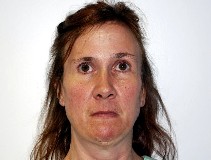
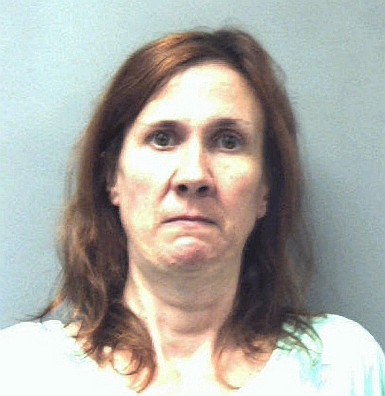
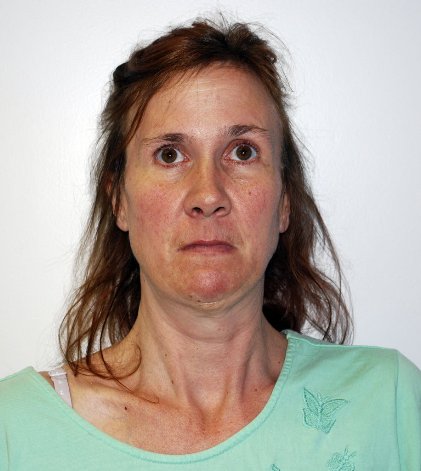
Michele Kalina resided in Reading, Pennsylvania. Married since 1986 to Jeffrey Kalina, she raised two children alongside her husband, while working demanding hours as a home-health aide to support the household, particularly following their eldest son's debilitating cerebral palsy diagnosis and subsequent death in 2000. For nearly two decades, the marital relationship lacked physical intimacy, creating an environment of emotional isolation.
Psychiatric evaluations revealed a history of chronic alcoholism accompanied by blackouts, severe depression, and childhood trauma involving physical and sexual abuse. This psychological profile fostered extreme cognitive compartmentalization, enabling Kalina to sustain long-term secrecy regarding multiple pregnancies without raising suspicion from her spouse or coworkers.
2. Crime Spree and Modus Operandi
Beginning in 1996, Kalina engaged in a multi-year extramarital affair with a coworker. She became pregnant multiple times throughout the relationship. Due to her petite frame and the complete absence of prenatal care, she successfully masked her pregnancies by attributing physical changes to recurring abdominal cysts.
Forensic psychiatric interviews indicated that Kalina was intoxicated during several of the births. She maintained that four infants were stillborn, while a third-born boy showed signs of movement. In that instance, she stated she might have wrapped the infant too tightly in a towel, obstructing respiration. The remains were subsequently encased in cement, coolers, plastic tubs, and cardboard boxes, and stored inside a locked apartment closet for years. A sixth hidden pregnancy in 2003 resulted in a live birth at a Reading hospital, with the child relinquished for adoption.
3. Investigation and Forensic Catch
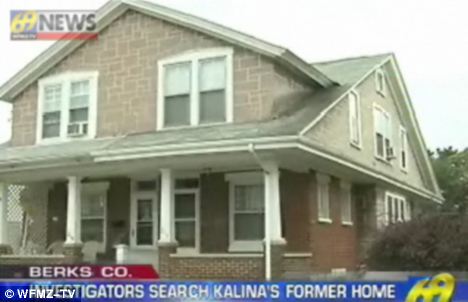
The investigation commenced in 2010 when Kalina's teenage daughter discovered the decomposing skeletal remains inside containers located within a restricted residential closet. Local authorities and forensic investigators executed searches at her residence on Court Street in Reading, as well as a local landfill where one set of remains had been inadvertently discarded.
DNA testing established that the infants were fathered by Kalina's coworker. Advanced decomposition restricted definitive pathological determination of the exact cause of death for most of the infants, anchoring the primary legal prosecution on the confession and evidence surrounding the male infant.
4. Legal Proceedings and Outcome
The case drew substantial attention from legal experts examining maternal filicide and psychological dissociation. A strict gag order was imposed by the court to preserve trial integrity.
Defense counsel presented expert testimony from forensic psychiatrist Dr. Jerome Gottlieb regarding Kalina's alcoholism, memory gaps, and defense mechanisms. Ultimately, Michele Kalina entered guilty pleas to third-degree murder and multiple counts of corpse abuse and concealing a child's death, resulting in a significant prison sentence.