



Forensic & Criminological Matrix
| Parameter | Forensic Detail |
|---|---|
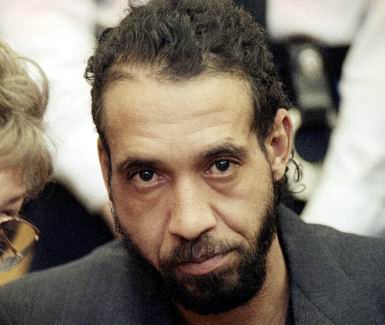
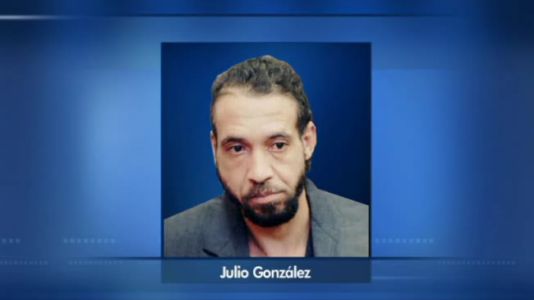
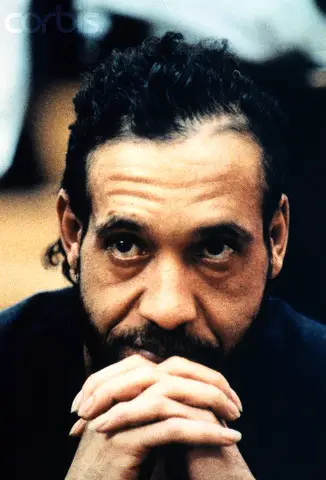
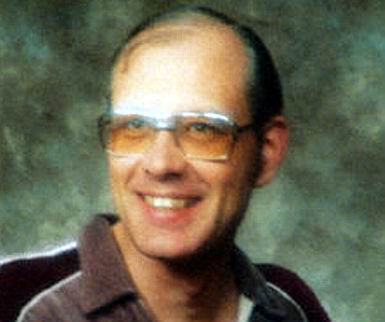
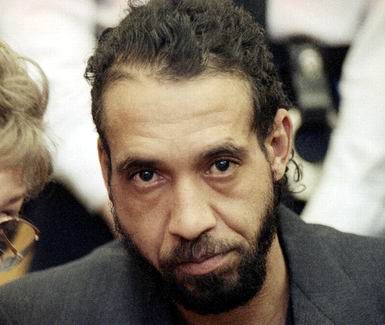
| Perpetrator | Julio González. |
| Criminal Classification | Arson mass murderer / Spite arsonist. |
| Date of Crime | March 25, 1990 (approx. 3:30 AM). |
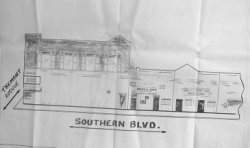
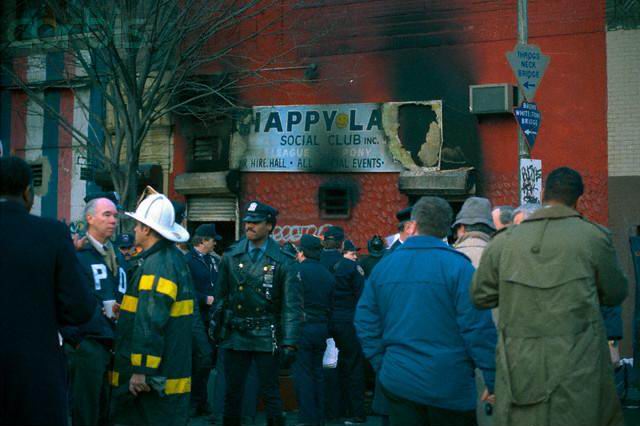
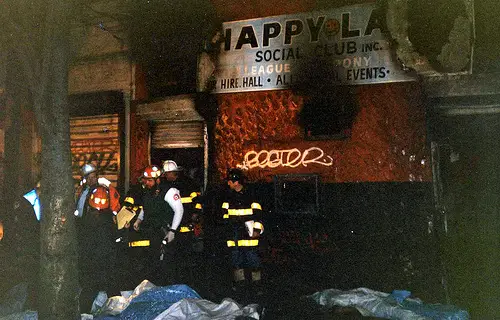
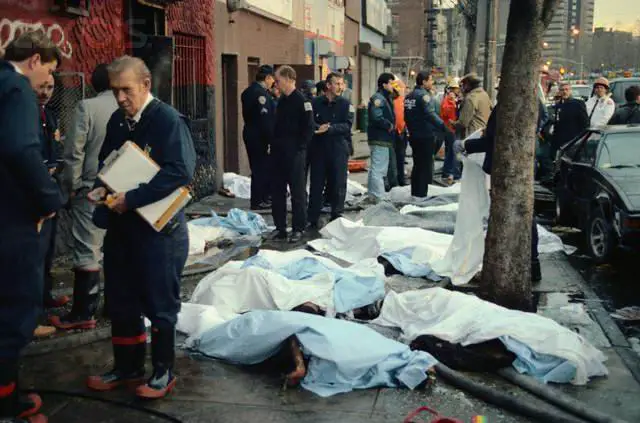
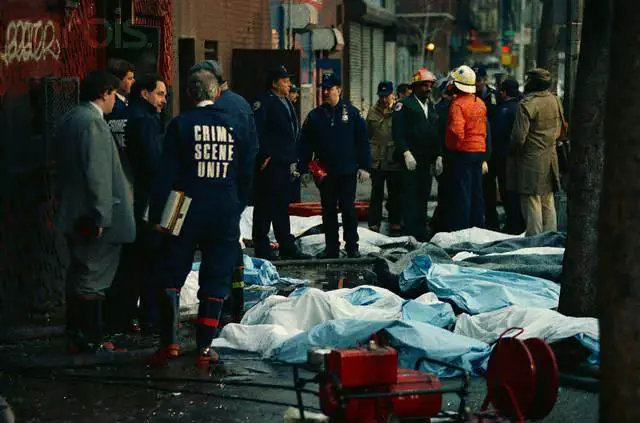
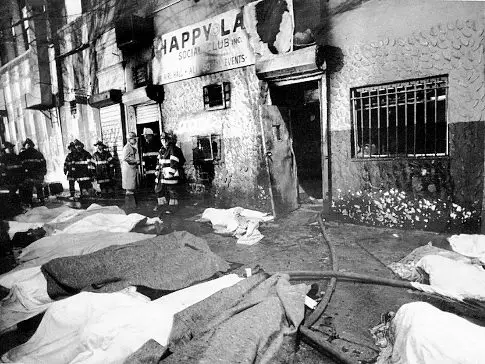
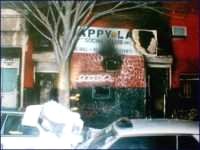
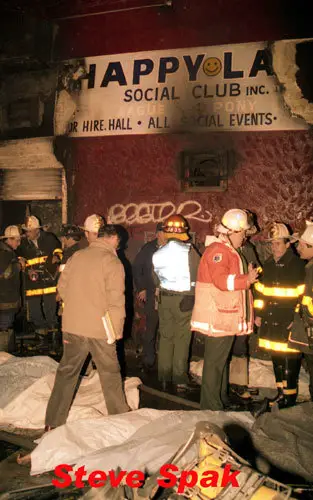
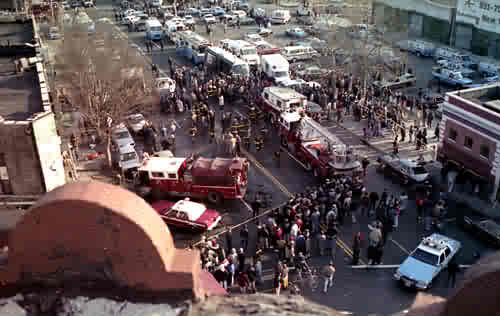
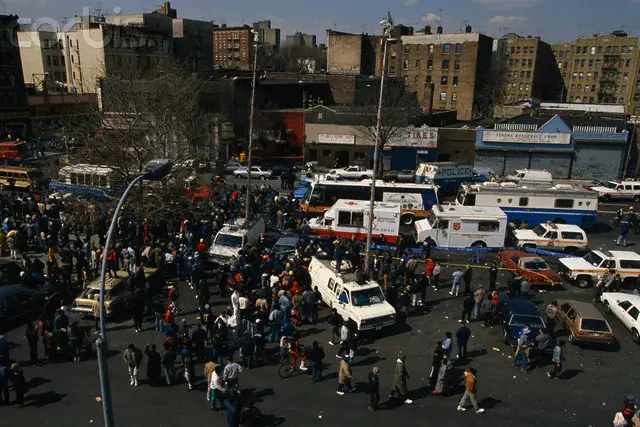
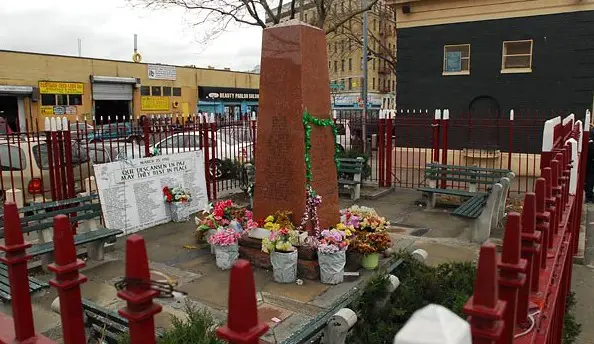
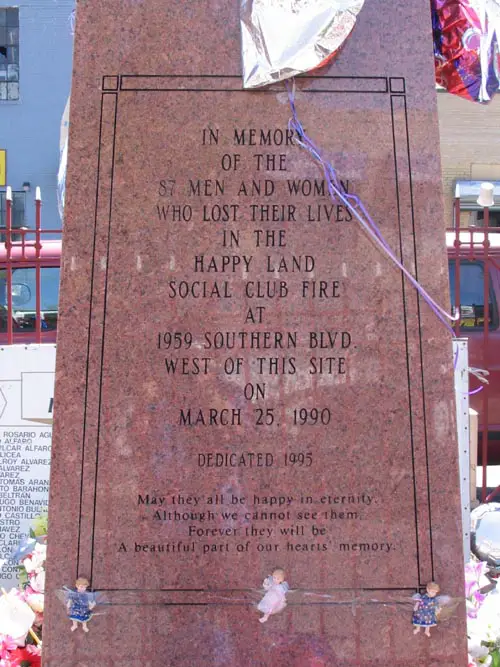
| Crime Scene | Happy Land Social Club, 1959 Southern Boulevard, West Farms, The Bronx, New York City. |
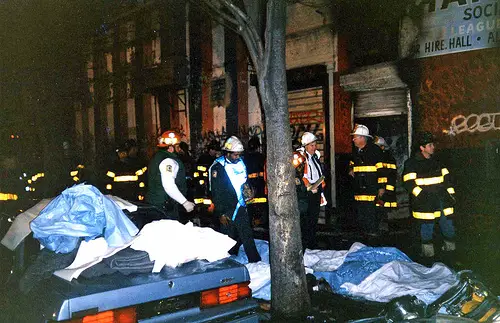
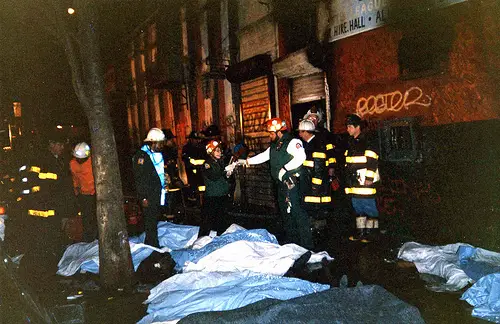
| Fatal Casualties | 87 victims (predominantly Garifuna and Honduran immigrants celebrating Carnival). |
| Survivors | Only 6 individuals survived. |
| Accelerant Employed | Unleaded gasoline (approx. $1 worth / 1 gallon purchased in a plastic jug). |
| Legal Sentence | 174 consecutive 25-to-life prison terms (87 counts of murder, 87 counts of arson). Died in custody in 2016. |
Background and Context
Julio González was born in Cuba on October 10, 1954. He arrived in the United States in May 1980 as part of the Mariel boatlift. Living in the Bronx, his life was characterized by underemployment, chronic instability, heavy alcohol abuse, and explosive interpersonal conflicts.
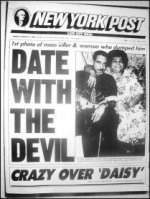
He had been involved in an unstable, volatile romantic relationship with Lydia Feliciano, an employee who worked the coat check and ticket desk at Happy Land, an unlicensed, two-story illegal speakeasy and dance hall frequented primarily by the local Honduran and Garifuna immigrant community.
The Happy Land Club Massacre (March 25, 1990)
In the early hours of Sunday, March 25, 1990, roughly one hundred patrons were gathered upstairs celebrating the American-Honduran Carnival. An intoxicated González arrived demanding that Feliciano reconcile with him. When she refused, a security bouncer forcibly ejected González from the venue. Outside, an enraged González threatened that he would "shut the place down."
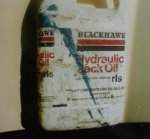
He walked three blocks to an Amoco service station, purchased $1.00 of gasoline in an open plastic oil jug, and returned to the social club at approximately 3:30 AM. He poured the fuel across the foot of the only staircase that served as entrance and exit to the upper dance floor, ignited two matches, and threw them onto the pool of gasoline before pulling down the front metal gate.
Flames violently engulfed the wooden staircase and reception area. Because the illegal establishment lacked operating fire alarms, emergency lighting, or rear emergency fire exits—having previously been cited for closure due to catastrophic code violations—the second floor became a chimney-like chamber filled with lethal superheated carbon monoxide gas. Eighty-seven people perished from asphyxiation within minutes, many still seated at tables or clutching one another. In a grim irony, Lydia Feliciano was one of only six people who managed to squeeze through an obscure upstairs vent and survive.
Capture, Prosecution, and Death in Prison
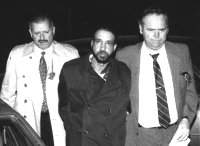
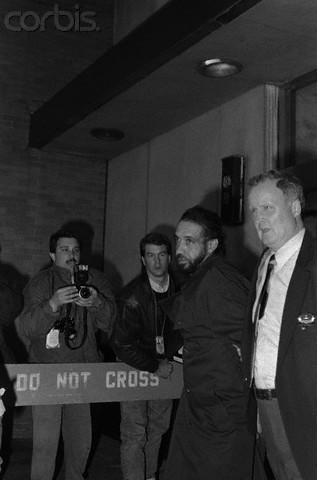
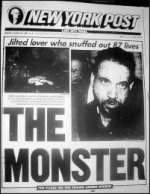
González walked back to his room and went to sleep, where detectives apprehended him that afternoon following Feliciano's eyewitness account and the gas station attendant's testimony. Gasoline vapors and residue were chemically identified on his trousers and sneakers. During taped interrogations, González confessed that he ignited the blaze to "get even" and "teach her a lesson."
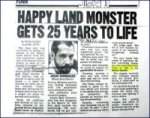
At his 1991 trial in Bronx Supreme Court, González was convicted of 87 counts of arson and 87 counts of murder. The presiding judge handed down the maximum statutory penalty permitted in New York: 174 consecutive terms of 25 years to life, ensuring he would never walk free.
González was incarcerated at Wende and Clinton correctional facilities. On September 13, 2016, at age 61, González suffered a fatal cardiac arrest at Sing Sing Correctional Facility and died behind bars after 26 years of incarceration.