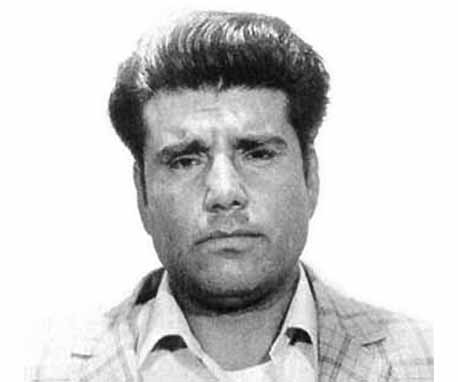




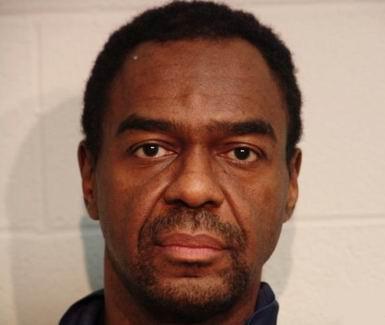
Forensic & Criminological Matrix
| Parameter | Forensic Detail |
|---|---|
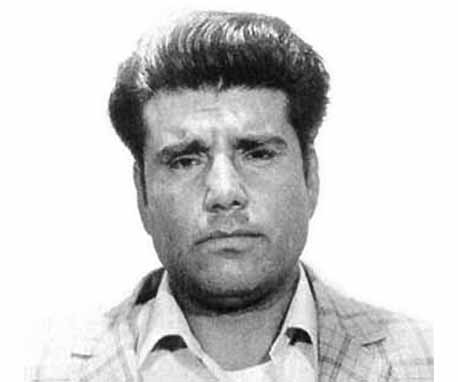
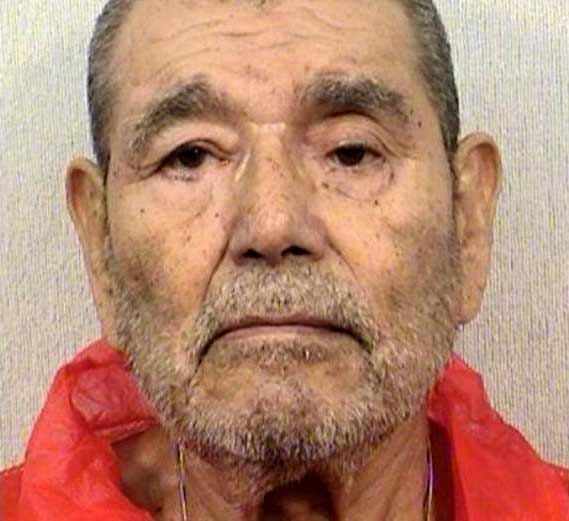
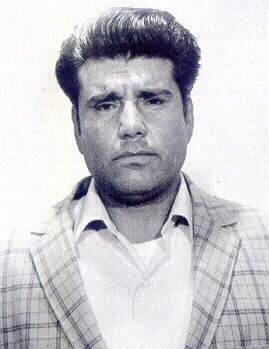
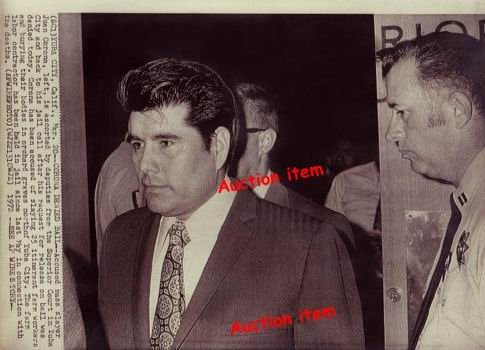
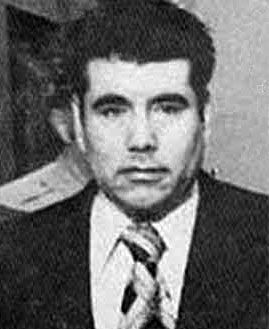
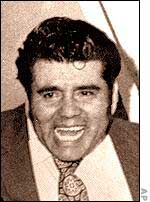
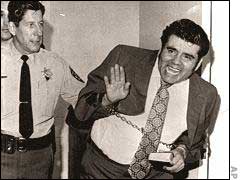
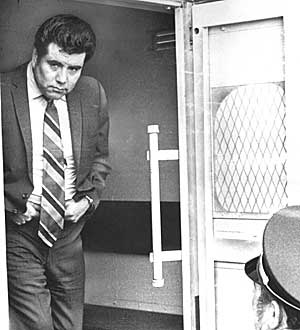
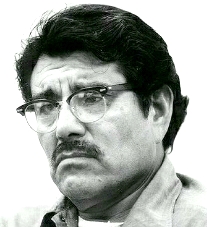
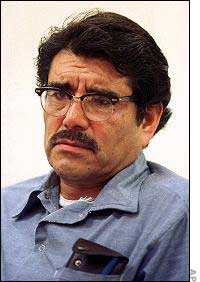
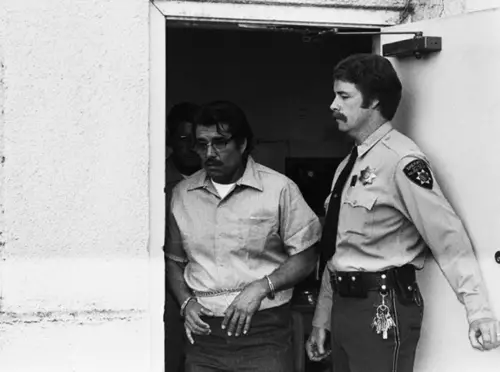
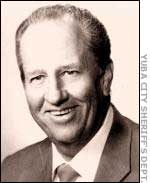
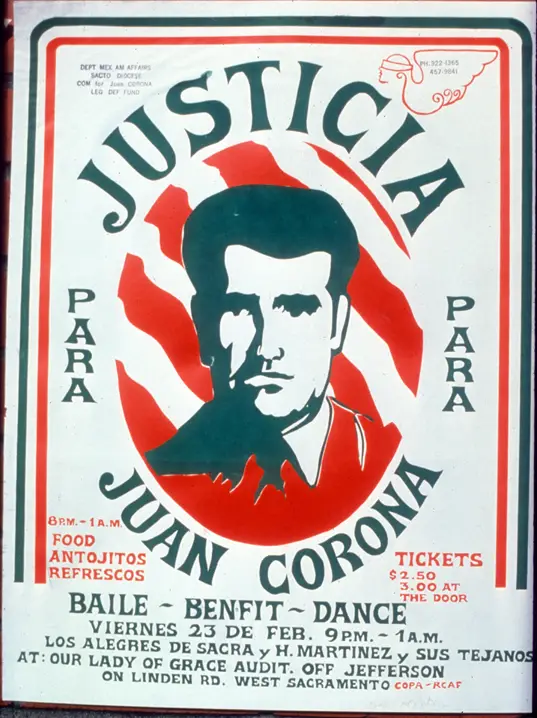
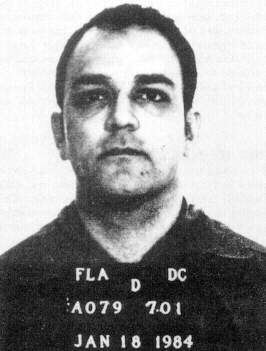
| Identity | Juan Vallejo Corona |
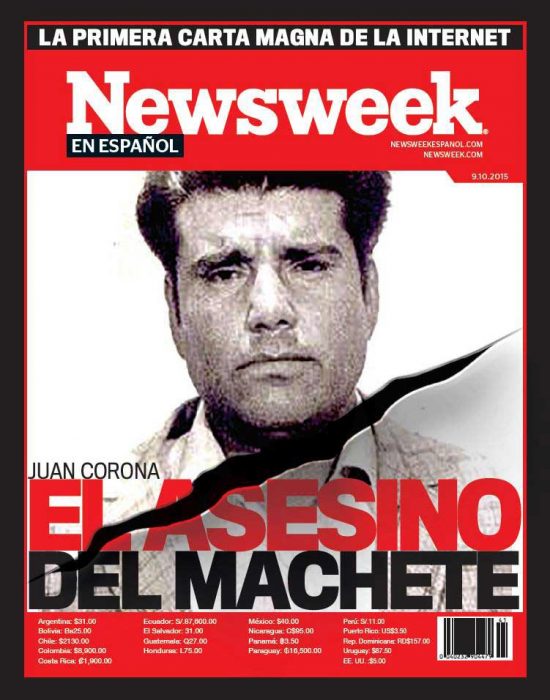
| Known Aliases | "The Machete Murderer" |
| Criminal Classification | Serial killer, lust murderer, and mass orchard slayer |
| Date of Birth | February 7, 1934 (Autlán de Navarro, Jalisco, Mexico) |
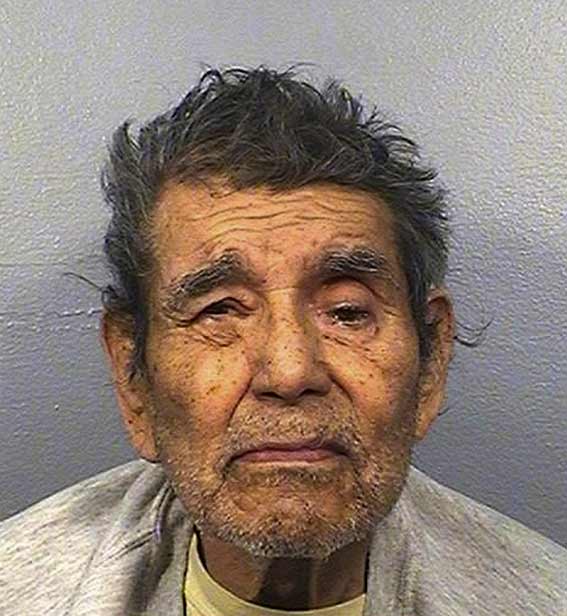
| Date of Death | March 4, 2019 (Aged 85, Corcoran State Prison, California; natural causes) |
| Criminal Indictment | 25 counts of first-degree premeditated murder |
| Fatalities | 25 migrant farmworkers and transient laborers confirmed |
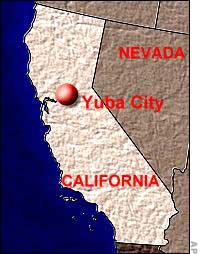
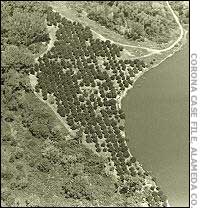
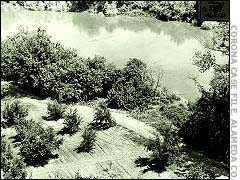
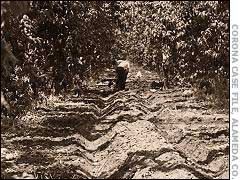
| Crime Scenes | Jack Sullivan Peach Orchard along the Feather River, Yuba City, Sutter County, California, United States |
| Active Period | February – May 1971 |
| Modus Operandi | Recruiting vulnerable, itinerant migrant laborers and derelict men from local skid rows under the guise of seasonal orchard pruning employment, driving them to secluded river orchards, delivering devastating cranial chops with a heavy machete or meat cleaver, stabbing the left thoracic cavity, incising a cross-shaped signature cut across the back of the skull, and interring corpses in standardized six-foot graves with trousers pulled down to ankles. |
| Motive | Psychotic rage, severe internalized homophobic panic, and paranoid schizophrenic decompensation. |
| Legal Status | Sentenced to 25 consecutive life terms in 1973 (re-convicted on all counts at a 1982 retrial). Died in prison in 2019 after 48 years of continuous detention. |
Forensic Synopsis and Historical Context
The case of Juan Vallejo Corona represented the deadliest documented serial murder prosecution in United States history at the time of its unmasking in May 1971. Operating as a licensed agricultural labor contractor in the fertile fruit orchards of Sutter County, California, Corona recruited vulnerable transient farm laborers from skid-row flophouses, systematically butchering them with heavy edged weapons and burying them in neat, rectangular graves along the banks of the Feather River.
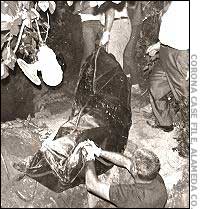
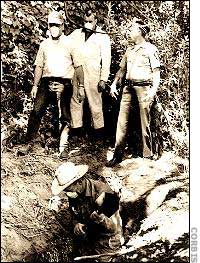
The exhumation of twenty-five bodies from the Sullivan peach orchards launched one of the most extensive physical crime scene excavations in American forensic annals. Key physical evidence—including two bank deposit receipts bearing Corona’s signature dropped directly into open graves, and a handwritten ledger dubbed the "Death Ledger" detailing victim identities and internment dates—established an ironclad circumstantial prosecution that withstood an unprecedented multi-month retrial a decade later.
Psychiatric Decompensation and the Agricultural Contractor
Migrating from Mexico to California in the 1950s, Corona suffered a severe psychotic break following the catastrophic Yuba River flood of 1955, being committed to DeWitt State Hospital where he underwent twenty-eight electroconvulsive therapy (ECT) treatments:
- The Labor Empire: Following discharge, he married, raised four daughters, and established a prosperous labor contracting business, providing hundreds of seasonal harvesters to regional fruit growers.
- Target Demographics: Corona selected drifting, unhoused older men and migrant laborers congregated around skid-row bars in Marysville, promising cash wages, bunkhouse lodging, and meals in the orchards.
The Peach Orchard Graves: May 1971
On May 19, 1971, a Japanese-American fruit farmer inspecting the Sullivan ranch noticed a freshly dug depression between two rows of peach trees. Returning at twilight to find the hole filled with freshly tamped soil, he alerted the Sutter County Sheriff’s Department:
- The First Exhumation: Deputies unearthing the mound discovered the corpse of transient Kenneth Whitacre (40). His cranium was shattered by heavy blade chops, his chest pierced with stab wounds, his trousers pulled to his ankles, and a distinct cruciform incision carved into the back of his scalp.
- The Riverbank Cemetery: Over nine days of excavations utilizing backhoes and tracker teams, investigators unburied twenty-four additional male corpses buried along the river levee, each displaying identical chopping wounds, left thoracic punctures, and occipital cuts.
Crime Scene Physical Evidence and the "Death Ledger"
Inside two burial pits, forensic excavators recovered two pink Wells Fargo bank deposit slips stamped with Juan Corona's name, along with meat market purchase receipts:
- The Raid: On May 26, 1971, detectives raided Corona’s residence in Yuba City.
- Weapons and Ledger: Investigators seized an 18-inch machete bearing traces of human blood in the handle hilt, a meat cleaver, a curved 10-inch boning knife, and a spiral notebook in Corona's office containing the names, dates, and burial sequences corresponding exactly to the twenty-five recovered victims.
Trials, Prison Attack, and Death
Corona stood trial in Fairfield, California, in 1972 before Judge Richard Patton:
- 1973 Conviction: On January 18, 1973, the jury returned twenty-five guilty verdicts of first-degree murder, sentencing him to twenty-five consecutive life terms.
- The 1982 Retrial: In 1978, the California Court of Appeal overturned the conviction, citing ineffective assistance of counsel for failing to present a psychiatric insanity defense. At his 1982 retrial in Hayward, despite defense claims that his brother was the perpetrator, a second jury convicted him of all twenty-five murders again after fifty-four hours of deliberation.
- Incarceration: In December 1973, Corona was assaulted by fellow inmates at Vacaville Prison, surviving thirty-two stab wounds that cost him his left eye. He spent the remainder of his life in protective custody, dying of natural causes at Corcoran State Prison on March 4, 2019, aged 85.