



Charles Cullen: «The Angel of Death» and the Lethal Intravenous Overdoses in New Jersey and Pennsylvania
Executive Summary
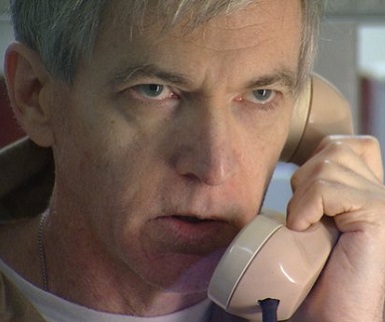
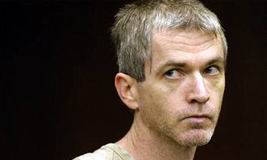
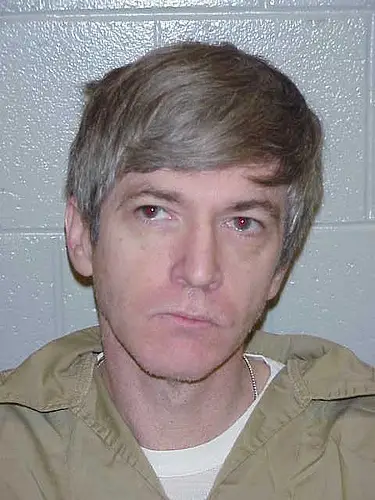
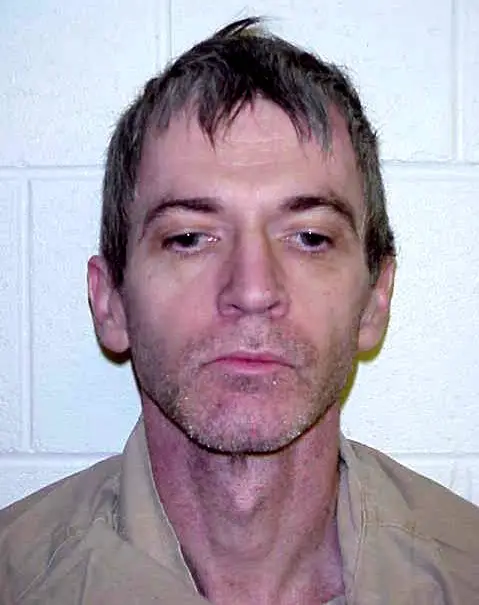
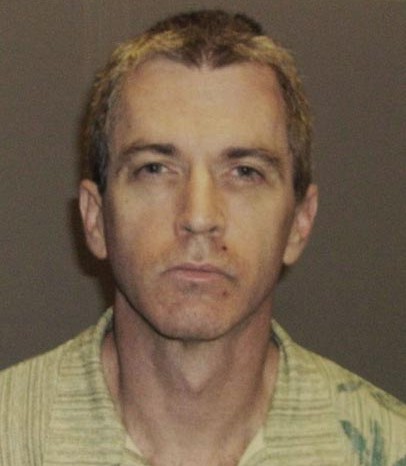
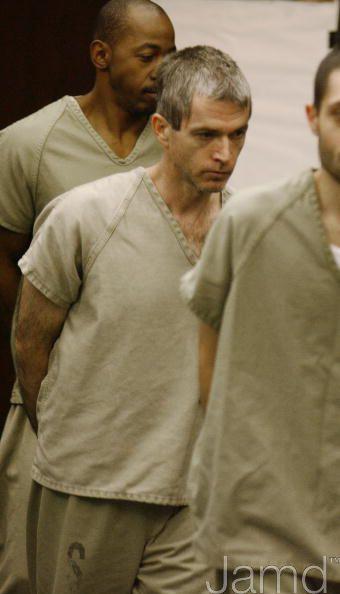
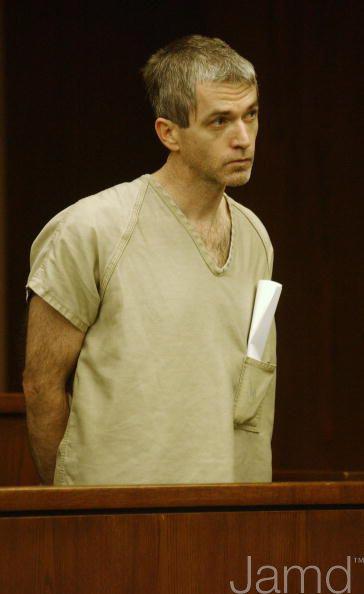
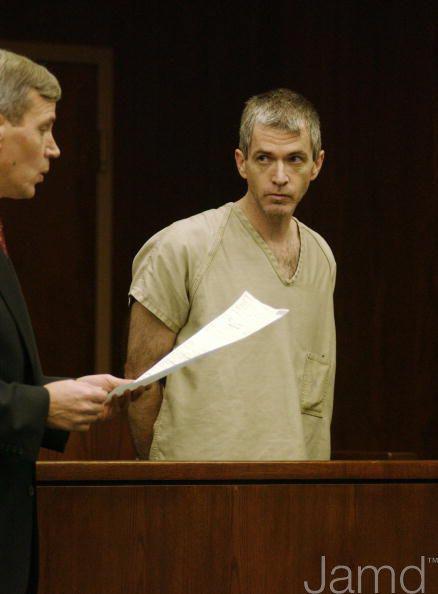
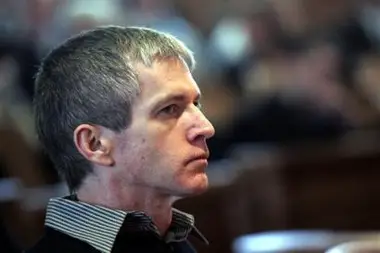
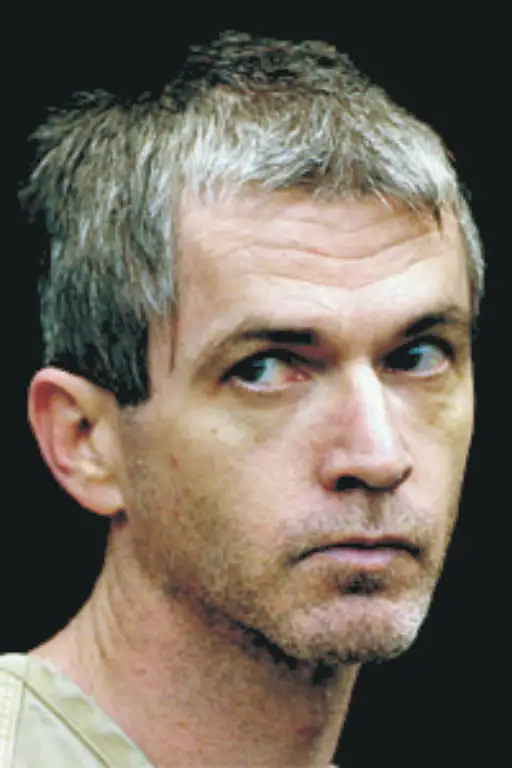
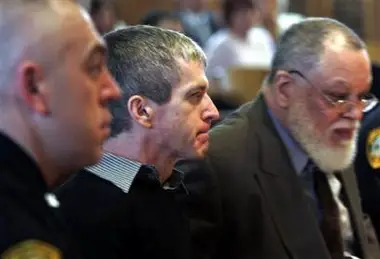
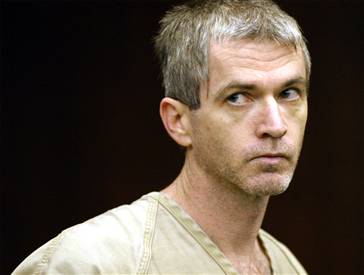
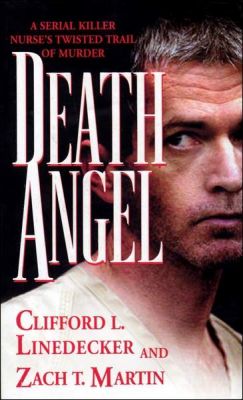
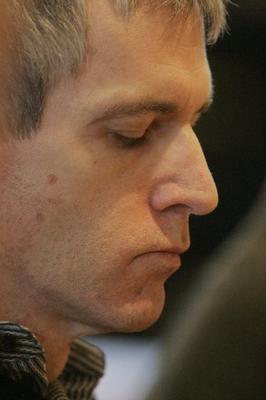
Charles Cullen (born Charles Edmund Cullen; February 22, 1960, in West Orange, New Jersey) is an American healthcare serial killer—criminologically classified as an «Angel of Death» or medical predator. Over a sixteen-year nursing career (1988–2003) across ten hospitals and nursing homes in New Jersey and Pennsylvania, Cullen secretly administered lethal overdoses of unauthorized intravenous medications to dozens of vulnerable patients. While he formally pleaded guilty to 29 confirmed murders and 6 attempted murders to avoid the death penalty, forensic toxicologists and prosecuting attorneys estimate his true victim toll between 300 and 400 patients, which would establish him as the most prolific serial killer in American history.
Cullen's modus operandi centered on manipulating intravenous medications in intensive care units, coronary care units, and burn wards, surreptitiously injecting lethal concentrations of digoxin (a cardiac glycoside causing fatal ventricular arrhythmias), insulin (triggering irreversible hypoglycemic shock), neuromuscular blockers (vecuronium), and nitroprusside. To circumvent hospital pharmacy controls, Cullen exploited electronic automated dispensing cabinets (Pyxis MedStation), ordering medications for patients not under his care or immediately canceling dispensing commands after physically extracting vials.
Despite accumulating firings, forced resignations, and internal investigations across multiple facilities, Cullen secured continuous re-employment due to acute nursing shortages and institutional corporate silence, as hospital administrators feared civil defamation and liability lawsuits if they provided negative employment references. His apprehension in late 2003 resulted from the intervention of toxicologist Dr. Steven Marcus, criminal investigations by detectives Dan Baldwin and Tim Braun of the Somerset County Prosecutor's Office, and the covert assistance of fellow nurse Amy Loughren, who decoded Pyxis anomalies and wore a wire to record his confession. Sentenced in March 2006 to 17 consecutive life terms (ineligible for parole for 397 years), his case spurred sweeping legislative reform via the «Cullen Law», establishing mandatory reporting of healthcare malpractice and national credential tracking.
Forensic & Criminological Matrix
| Parameter | Forensic Detail |
|---|---|
| Legal Identity | Charles Edmund Cullen |
| Public Identity | Charles Cullen |
| Criminological Aliases | "The Angel of Death" / "The Good Nurse" |
| Date of Birth | February 22, 1960 (West Orange, New Jersey, U.S.) |
| Current Legal Status | Alive; serving 17 consecutive life sentences (ineligible for parole until 2403) |
| Penal Institution | New Jersey State Prison (Trenton, New Jersey) |
| Criminological Classification | Healthcare Serial Killer (Angel of Death type) |
| Confirmed / Estimated Fatalities | 29 judicially proven murders; forensic estimates exceed 300–400 victims |
| Attempted Homicides | 6 surviving victims judicially documented |
| Period of Criminal Activity | June 11, 1988 – October 21, 2003 (15 years, 4 months) |
| Lethal Agents Employed | Digoxin, regular insulin, vecuronium bromide, sodium nitroprusside |
| Mechanics of Murder | Direct intravenous bolus injection or covert adulteration of IV saline bags |
| Hospitals Affected | 10 medical centers and nursing homes across New Jersey and Pennsylvania |
| Sentencing Courts | Somerset County Superior Court (NJ) and Lehigh County Court of Common Pleas (PA) |
| Legislative Consequence | Enactment of the Cullen Law (mandatory reporting of healthcare misconduct) |
Early Life, Psychiatric Turmoil, and Naval Service (1960–1987)
Charles Edmund Cullen was born the youngest of eight children into a working-class Catholic family in West Orange, New Jersey. His early life was characterized by severe emotional disruption:
- His father, a school bus driver, died when Charles was seven months old.
- At age nine, he attempted suicide for the first time by ingesting toxic chemicals from a chemistry set—the first of more than twenty suicide attempts throughout his life.
- In December 1977, when Charles was seventeen, his mother was killed in an automobile crash while his sister was driving. Devastated, he dropped out of high school.
In April 1978, he enlisted in the United States Navy, serving aboard the nuclear ballistic missile submarine USS Woodrow Wilson (SSBN-624), rising to Petty Officer Third Class on the Poseidon missile team. Despite passing rigorous military screenings, severe mental instability manifested:
- He once stood submarine watch wearing a surgical gown, mask, and latex gloves stolen from the medical bay.
- Reassigned to the tender USS Canopus, he made seven suicide attempts and received a medical discharge in March 1984.
Following his discharge, Cullen enrolled at the Mountainside Hospital School of Nursing in Montclair, New Jersey. Graduating in 1987 as class president, he married Adrienne Taub, with whom he had two daughters, and was hired at St. Barnabas Medical Center in Livingston.
Pharmacological Methods and Early Hospitals (1988–1996)
On June 11, 1988, Cullen committed his first verified murder:
- The victim was municipal judge John W. Yengo Sr. (72), admitted to St. Barnabas with an allergic reaction. Cullen injected a lethal overdose into his IV line.
- Over four years at St. Barnabas, he admitted murdering eleven patients, including a terminal HIV patient dosed with massive insulin.
- In January 1992, when hospital administrators investigated tampered IV bags, Cullen resigned to avoid inquiry.
In February 1992, he was hired by Warren Hospital in Phillipsburg, New Jersey, where he standardized his signature weapon: digoxin, a cardiac medication with a narrow therapeutic window that causes fatal ventricular fibrillation when overdosed.
- Elderly patient Helen Dean (91) told her son an unfamiliar male nurse had injected her in the night; staff dismissed her complaint as post-operative delirium.
- Concurrently, his marriage collapsed; Adrienne filed for divorce in 1993, citing domestic abuse, cruelty to pets, and bizarre behaviors.
- Arrested for stalking and breaking into a fellow nurse's home, he received probation and brief psychiatric stays, yet retained his registered nursing license.
Between 1994 and 1996, he worked at Hunterdon Medical Center in Flemington, New Jersey, murdering five patients with digoxin overdoses. Although supervisors noted discrepancies, institutional records were destroyed under routine retention policies before law enforcement intervened years later.
Pennsylvania Practice and Institutional Concealment (1997–2002)
Following brief stints at Morristown Memorial Hospital (fired for poor performance in 1997) and Liberty Nursing Center in Allentown (fired after being caught carrying unauthorized syringes), Cullen expanded his killing spree into Pennsylvania:
- Easton Hospital (1998–1999): On December 30, 1998, he murdered Ottomar Schramm (78). Northampton County coroner Dr. Zachary Lysek detected massive digoxin levels and alerted administrators to an "Angel of Death," but internal inquiries stalled.
- Lehigh Valley Hospital (Allentown, 1999): Assigned to the burn unit, he murdered 22-year-old Matthew Mattern, who was recovering from burn injuries.
- St. Luke’s Hospital (Fountain Hill, 1999–2002): In the ICU, he killed at least five patients and attempted two other murders. In June 2002, a co-worker found discarded medication vials in a disposal bin. An internal audit revealed Cullen was on duty for two-thirds of unit cardiac arrests despite working only 20% of hours. He was forced to resign, yet the hospital declined to file criminal charges, fearing civil litigation.
Throughout this decade, an absence of interstate reporting systems and corporate liability concerns allowed Cullen to move freely from facility to facility.
Somerset Medical Center, Pyxis, and Amy Loughren (2002–2003)
In September 2002, Cullen was hired at Somerset Medical Center in Somerville, New Jersey. His killings accelerated: over thirteen months, he administered lethal doses of insulin, digoxin, and epinephrine to dozens of patients.
In July 2003, New Jersey Poison Information and Education System Executive Director Dr. Steven Marcus warned Somerset officials that four suspicious cardiac arrests pointed to deliberate poisoning by a nursing staff member. Administrators delayed contacting the Somerset County Prosecutor's Office for three months, during which Cullen killed five additional patients.
The case broke through two parallel investigative breakthroughs:
- Pyxis MedStation Computer Audits: Detectives Dan Baldwin and Tim Braun examined dispensing computer logs, finding Cullen repeatedly accessed profiles of patients not assigned to him, ordering high doses of digoxin and vecuronium, only to cancel the request seconds after the drawer opened.
- Amy Loughren's Undercover Operation: ICU nurse Amy Loughren reviewed the computer printouts with detectives. She agreed to wear a hidden wire. In December 2003, during a restaurant meeting, Loughren gently confronted Cullen; he made self-incriminating remarks, expressing relief that "it was over."
On December 14, 2003, Cullen was arrested. Under interrogation, he admitted murdering the Reverend Florian Gall and dozens of other patients.
Conviction and Sentencing (2004–2006)
To avoid capital prosecution in New Jersey and Pennsylvania, Cullen entered a plea agreement:
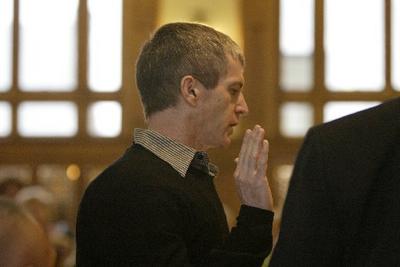
- In April 2004, he pleaded guilty to 13 murders and 2 attempted murders in Somerset County.
- In November 2004, he pleaded guilty to 6 additional murders in Lehigh County, Pennsylvania.
- In total, he formally acknowledged 29 murders and 6 attempted murders.
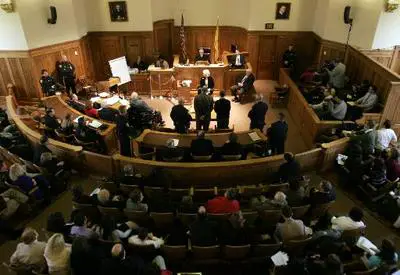
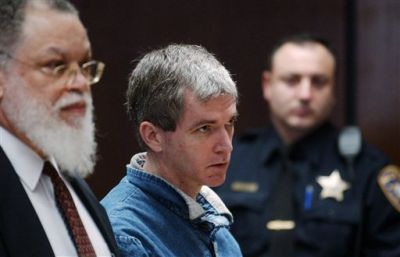
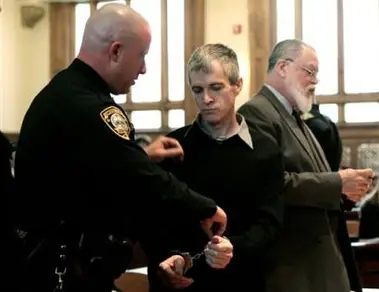
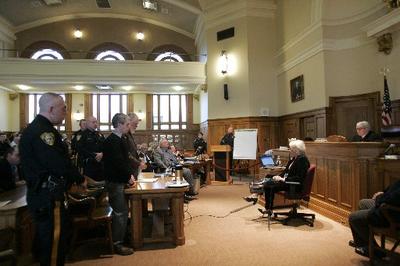
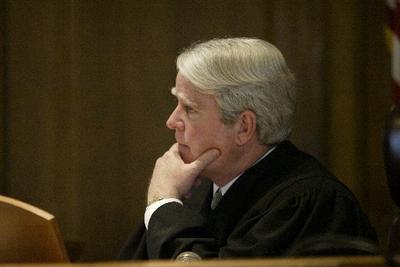
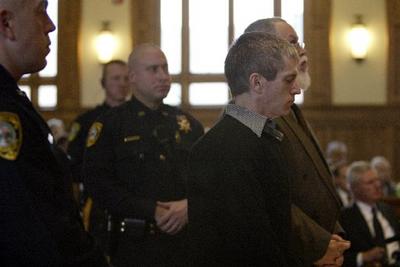
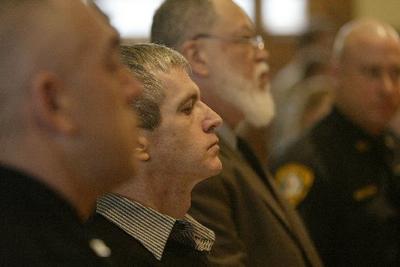
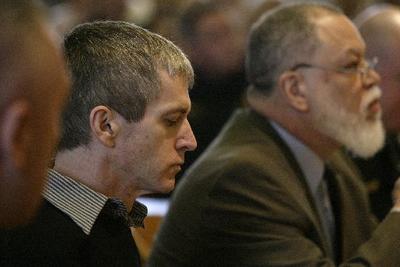
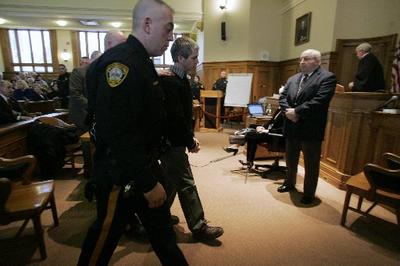
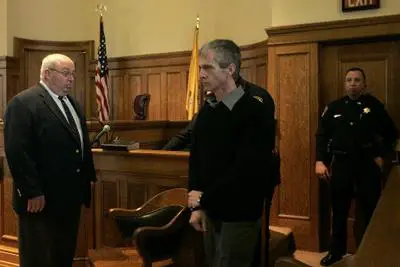
On March 2, 2006, Somerset County Superior Court Judge Paul W. Armstrong sentenced him to eleven consecutive life sentences, mandating 397 years before parole eligibility:
"You have broken the ancient trust of the healing arts, turning a sanctuary of healing into a chamber of silent execution."
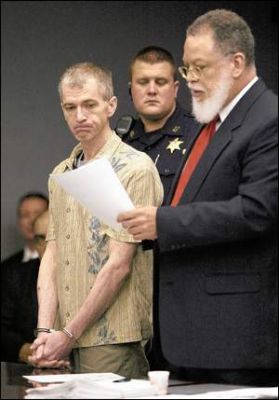
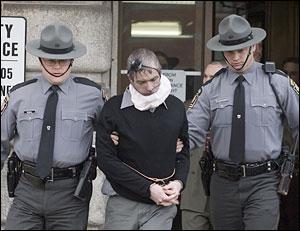
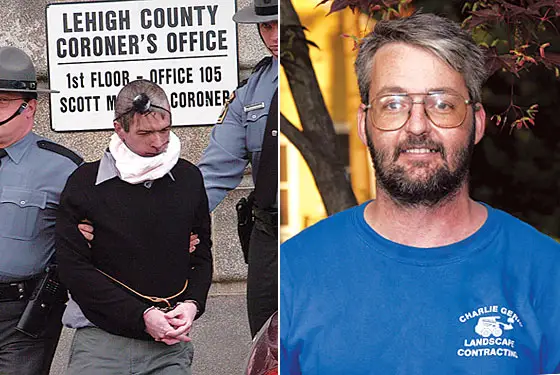
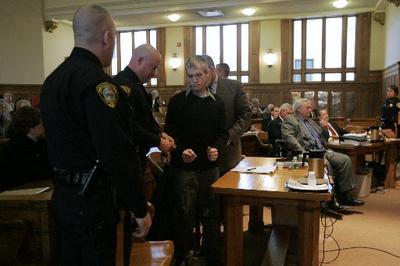
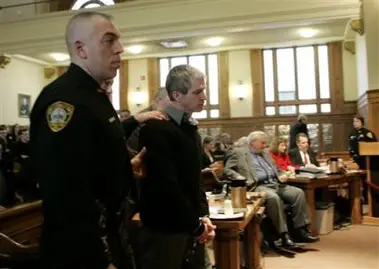
Days later, on March 10, 2006, he appeared before Judge William H. Platt in Lehigh County. When Cullen repeatedly shouted at the bench ("Your Honor, you need to step down!"), Judge Platt ordered him gagged with cloth and adhesive tape, imposing six additional consecutive life sentences.
Criminological Significance and the «Cullen Law»
Psychiatric evaluations dispelled Cullen's claims of mercy killings:
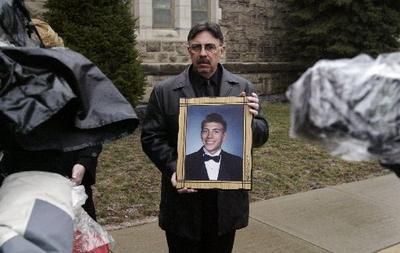
- Many victims were young (such as 21-year-old Michael Strenko, hospitalized for spleen surgery) or on the verge of discharge.
- Forensic psychiatrists concluded Cullen acted from covert sadistic power: the godlike thrill of controlling life and death and creating "Code Blue" emergencies to observe resuscitation efforts.
Legislatively, the case transformed American healthcare oversight:
- In April 2004, New Jersey enacted the «Cullen Law», mandating that healthcare facilities report suspected employee misconduct to licensing boards.
- The statute provided immunity to administrators providing truthful disciplinary records to prospective employers and mandated fingerprint criminal background checks for all healthcare personnel.
Charles Cullen remains incarcerated at New Jersey State Prison in Trenton.
Nominal Register: Judicially Confirmed Victims of Charles Cullen
| Victim Identity | Age | Facility | Date of Murder | Chemical Agent and Finding |
|---|---|---|---|---|
| John W. Yengo Sr. | 72 | St. Barnabas Medical Center (Livingston, NJ) | June 11, 1988 | Lethal IV overdose; cardiac arrest |
| Lucy Mugavero | 90 | Warren Hospital (Phillipsburg, NJ) | March 9, 1993 | Digoxin toxicity |
| Mary Natoli | 85 | Warren Hospital (Phillipsburg, NJ) | July 23, 1993 | Massive digoxin dose |
| Helen Dean | 91 | Warren Hospital (Phillipsburg, NJ) | September 1, 1993 | Unauthorized digoxin injection following surgery |
| LeRoy Sinn | 71 | Hunterdon Medical Center (Flemington, NJ) | January 21, 1996 | Intravenous digoxin injection |
| Earl Young | 76 | Hunterdon Medical Center (Flemington, NJ) | May 31, 1996 | Digitalis overdose |
| Catherine Dext | 49 | Hunterdon Medical Center (Flemington, NJ) | June 9, 1996 | Drug-induced cardiac arrest |
| Frank Mazzacco | 66 | Hunterdon Medical Center (Flemington, NJ) | June 24, 1996 | Lethal IV digoxin |
| Jesse Eichlin | 81 | Hunterdon Medical Center (Flemington, NJ) | July 10, 1996 | Lethal unprescribed digoxin |
| Ottomar Schramm | 78 | Easton Hospital (Easton, PA) | December 30, 1998 | Massive digoxin concentration |
| Matthew Mattern | 22 | Lehigh Valley Hospital (Salisbury, PA) | August 31, 1999 | Drug overdose in burn unit |
| Irene Krapf | 79 | St. Luke's Hospital (Fountain Hill, PA) | June 22, 2001 | Drug-induced ventricular fibrillation |
| William Park | 72 | St. Luke's Hospital (Fountain Hill, PA) | November 8, 2001 | Lethal digoxin toxicity |
| Samuel Spangler | 80 | St. Luke's Hospital (Fountain Hill, PA) | January 9, 2002 | Induced cardiorespiratory arrest |
| Daniel George | 82 | St. Luke's Hospital (Fountain Hill, PA) | May 5, 2002 | Intravenous digoxin overdose |
| Edward O'Toole | 76 | St. Luke's Hospital (Fountain Hill, PA) | June 2, 2002 | Drug-induced circulatory collapse |
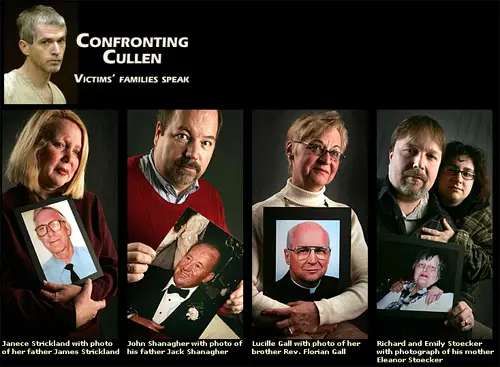
| Eleanor Stoecker | 60 | Somerset Medical Center (Somerville, NJ) | February 12, 2003 | Acute digoxin poisoning |
| Joyce E. Mangini | 74 | Somerset Medical Center (Somerville, NJ) | February 23, 2003 | Digoxin overdose |
| Giacomino «Jack» Toto | 89 | Somerset Medical Center (Somerville, NJ) | February 23, 2003 | Lethal IV injection |
| John J. Shanagher | 83 | Somerset Medical Center (Somerville, NJ) | March 11, 2003 | Hemodynamic collapse via digitalis |
| Dorthea K. Hoagland | 80 | Somerset Medical Center (Somerville, NJ) | April 6, 2003 | Overdose-induced cardiac arrest |
| Melvin T. Simcoe | 66 | Somerset Medical Center (Somerville, NJ) | May 5, 2003 | Lethal IV saline contamination |
| Michael T. Strenko | 21 | Somerset Medical Center (Somerville, NJ) | May 15, 2003 | Intentional norepinephrine and digoxin overdose |
| Florian J. Gall | 68 | Somerset Medical Center (Somerville, NJ) | June 28, 2003 | Roman Catholic priest; massive digoxin arrest |
| Pasquale M. Napolitano | 80 | Somerset Medical Center (Somerville, NJ) | July 13, 2003 | Induced ventricular collapse |
| Christopher B. Hardgrove | 38 | Somerset Medical Center (Somerville, NJ) | August 11, 2003 | Unauthorized IV medication |
| Krishnakant Upadhyay | 70 | Somerset Medical Center (Somerville, NJ) | September 20, 2003 | Lethal ICU digoxin overdose |
| James R. Strickland | 83 | Somerset Medical Center (Somerville, NJ) | September 23, 2003 | Lethal pharmacological overdose |
| Edward P. Zizik | 73 | Somerset Medical Center (Somerville, NJ) | October 21, 2003 | Hypoglycemic shock via massive insulin overdose |