Forensic & Criminological Matrix
| Parameter | Forensic Detail |
|---|---|
| Forensic Heading / Aliases | Frankenstein |
| Legal Identity | Juan Carlos Clavijo Jiménez |
| Confirmed Victims | 1 |
| Attributed / Indicted Victims | 1 |
| Active Timeline | October 24, 1985 |
| Jurisdiction / Area of Operations | Punta Umbría, Huelva, Spain |
| Criminological Classification | Homicide / Sexual Aggressor |
| Forensic Modus Operandi | Deception, sexual abuse, and mechanical asphyxiation |
| Weapon / Mechanism of Death | Manual suffocation |
| Motive / Behavioral Dynamics | Libidinous impulses and witness elimination |
| Judicial Outcome | Convicted of homicide and sexual abuse |
1. Background and Profile
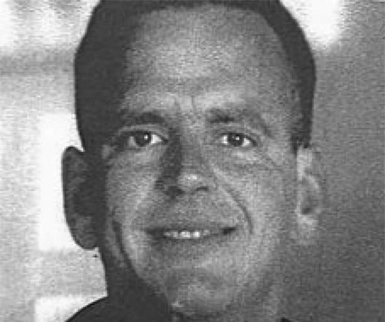
Juan Carlos Clavijo Jiménez, nicknamed 'Frankenstein' for his imposing physical stature, was a 28-year-old night porter at a hotel in Punta Umbría. He was characterized as an introverted, misogynistic individual who maintained a facade of friendliness toward children to mask his predatory tendencies.
2. Crime Spree
On October 24, 1985, Clavijo lured 9-year-old María del Carmen Carretero Gómez into a vacant property owned by her parents. When the child resisted his sexual advances and threatened to report him, Clavijo suffocated her to death. He then concealed the body beneath a bed, using a sailor's knot to bind her hands.
3. Investigation and Forensic Hunt
The victim's body was discovered two weeks later after a power outage led to the inspection of the property. Forensic evidence, specifically hair samples found on the bindings and the perpetrator's lack of a verifiable alibi, were critical in his identification. He was arrested by the Civil Guard on December 4, 1985.
4. Legal Proceedings and Outcome
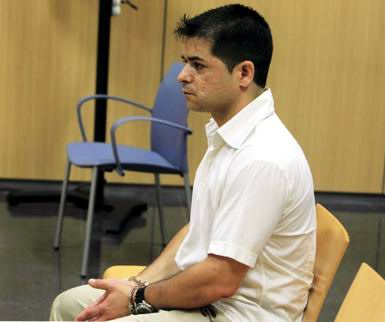
Clavijo confessed after extensive interrogation. In 1987, the Provincial Court of Huelva sentenced him for homicide and sexual abuse. The legal proceedings were marked by intense public scrutiny and debates regarding the forensic classification of the crime, specifically the distinction between murder and homicide in the context of the victim's resistance.