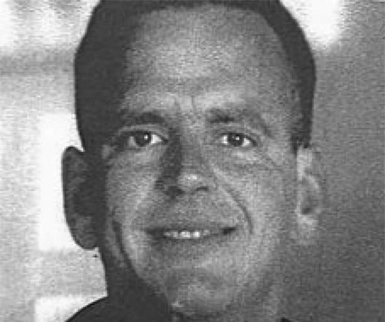





Forensic & Criminological Matrix
| Parameter | Forensic Detail |
|---|---|
| Forensic Heading / Aliases | None |
| Legal Identity | José María Maciá Navarro |
| Confirmed Victims | 3 |
| Attributed / Indicted Victims | 3 |
| Active Timeline | April 13, 2005 |
| Jurisdiction / Area of Operations | Elche, Alicante, Spain |
| Criminological Classification | Parricide / Multiple Murderer |
| Forensic Modus Operandi | Blunt force trauma with a construction hammer |
| Weapon / Mechanism of Death | Construction sledgehammer |
| Motive / Behavioral Dynamics | Concealment of addiction and gambling debts |
| Judicial Outcome | Sentenced to 54 years in prison (25-year maximum term) |
1. Background and Psychopathy
José María Maciá Navarro was a 36-year-old construction worker who maintained a facade of a normal family life in Elche. Behind this, he struggled with severe alcohol, cocaine, and gambling addictions. Despite previous rehabilitation attempts, his life was characterized by financial instability and deceit, which his wife, Teresa Asunción, had spent years trying to manage.
2. Crime Spree
On the night of April 13, 2005, after consuming alcohol and cocaine, Maciá returned to his home on Pablo Picasso Street. Armed with a construction sledgehammer, he entered the master bedroom and killed his wife, Teresa (34), and his two sons, José María (6) and Vicente (2), while they slept. Following the murders, he cleaned the weapon, perfumed himself, and continued his night at local nightclubs.
3. Investigation and Arrest
Police investigation was swift, aided by the perpetrator's confession and the reconstruction of his movements. Maciá was arrested in a shoe store in Torrellano while attempting to purchase new footwear, following a confrontation with his brother who had discovered the bodies at the crime scene.
4. Legal Proceedings and Outcome
During the 2008 trial, the defense argued for temporary insanity due to substance abuse. However, forensic psychiatrists and the jury rejected this, concluding that Maciá was fully aware of his actions. He was found guilty of three counts of murder with treachery (alevosía).
5. Psychiatric Evaluation and Conclusion
Forensic experts ruled out any psychotic disorder or permanent mental illness. The defendant displayed extreme coldness throughout the proceedings, often speaking of himself in the third person and claiming divine intervention. He was sentenced to 54 years in prison, with a legal maximum of 25 years served.