Forensic & Criminological Matrix
| Parameter | Forensic Detail |
|---|---|
| Forensic Heading / Aliases | The Frenchman |
| Legal Identity | Juan Andrés Aldije Monmejá |
| Confirmed Victims | 6 |
| Attributed / Indicted Victims | 6 |
| Active Timeline | 1898 - 1904 |
| Jurisdiction / Area of Operations | Peñaflor, Seville, Spain |
| Criminological Classification | Serial Killer |
| Forensic Modus Operandi | Luring victims to illegal gambling dens, followed by blunt force trauma |
| Weapon / Mechanism of Death | Iron bar ('the doll') and pointed hammer |
| Motive / Behavioral Dynamics | Financial gain (robbery) |
| Judicial Outcome | Sentenced to death, executed by garrote vil |
1. Background and Profile
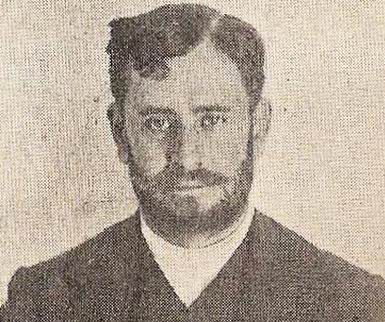
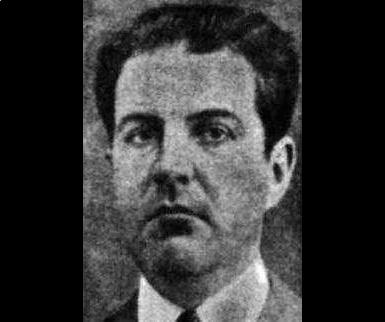
Juan Andrés Aldije Monmejá, originally from Egen, France, settled in Peñaflor, Seville. He established an illegal gambling house that served as a hunting ground for his serial criminal activities, targeting wealthy merchants.
2. Crime Spree
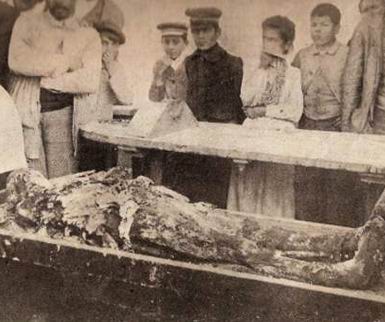
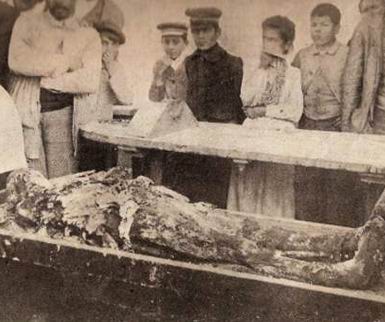
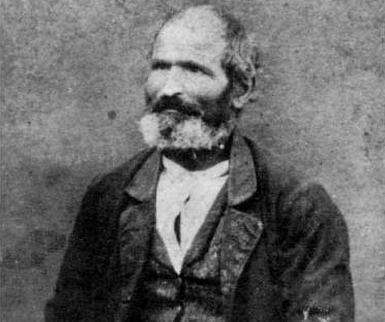
Between 1898 and 1904, Aldije and his accomplice, José Muñoz Lopera, murdered six individuals. They utilized a specific dark corridor in their property where victims were struck with an iron bar and finished off with a pointed hammer to the skull. The bodies were buried in the orchard.
3. Investigation and Arrest
The investigation was triggered by the disappearance of Miguel Rejano Espejo. His cousin, Juan Mohedano, conducted a private investigation using a custom-made steel probe to detect decomposing remains in the soil. This led to the discovery of six bodies.
4. Legal Proceedings and Outcome
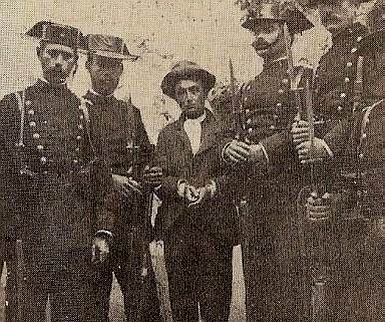
Both perpetrators were arrested and faced a highly publicized trial. They attempted to shift blame onto each other. Both were sentenced to death and executed by garrote vil on November 1, 1906, in a botched execution that caused significant public outcry.