Forensic & Criminological Matrix
| Parameter | Forensic Detail |
|---|---|
| Forensic Heading / Aliases | Anthony Joyner |
| Legal Identity | Anthony Joyner |
| Confirmed Victims | 6 |
| Attributed / Indicted Victims | 18 |
| Active Timeline | January - July 1983 |
| Jurisdiction / Area of Operations | Philadelphia, Pennsylvania, USA |
| Criminological Classification | Serial Killer (Sexual Predator) |
| Forensic Modus Operandi | Mechanical asphyxia following sexual assault in care facilities |
| Weapon / Mechanism of Death | Manual strangulation / Suffocation |
| Motive / Behavioral Dynamics | Sexual predation and opportunity |
| Judicial Outcome | Life imprisonment |
1. Background and Profile
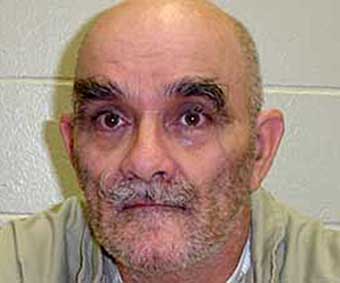
Anthony Joyner (born 1962) is an American serial killer who committed a series of heinous crimes while employed as a nursing home worker in Philadelphia. His criminological profile is that of a predator who exploited his position of trust to gain access to vulnerable elderly women.
2. Crime Spree
Between January and July 1983, Joyner raped and murdered at least six elderly women. His modus operandi involved entering residents' rooms during his shifts, sexually assaulting them, and subsequently suffocating them. Due to the victims' advanced age and frailty, several of these deaths were initially misclassified as natural causes, specifically heart failure.
3. Investigation and Arrest
The investigation gained momentum after the body of 86-year-old Kathryn Maxwell was exhumed and examined. Dr. Herbert Fillinger, an assistant medical examiner, discovered clear signs of asphyxia and sexual assault. Police subsequently linked Joyner to this case and others, including the deaths of 90-year-old Eugenia Border and 83-year-old Mildred Alston.
4. Legal Proceedings and Outcome
Following the presentation of forensic evidence and his own confession—stating, "I had trouble sleeping, I had to confess"—Joyner was prosecuted. He was sentenced to life imprisonment for his confirmed murders, although authorities suspect his total victim count may reach 18.
5. Psychiatric Assessment and Conclusion
Joyner remains in prison. His case serves as a critical study in the vulnerability of elderly residents and the necessity for rigorous forensic oversight in geriatric care facilities.