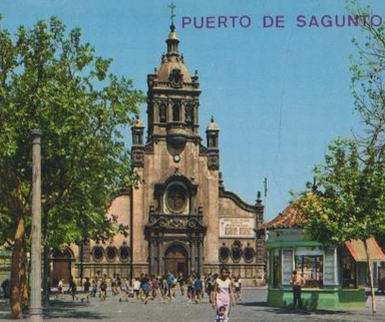



Forensic & Criminological Matrix
| Parameter | Forensic Detail |
|---|---|
| Forensic Heading / Aliases | None |
| Legal Identity | José Prat Balaguer |
| Confirmed Victims | 1 |
| Attributed / Indicted Victims | 1 |
| Active Timeline | March 2, 1971 |
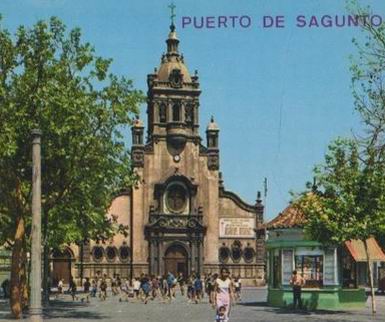
| Jurisdiction / Area of Operations | Puerto de Sagunto, Valencia, Spain |
| Criminological Classification | Sexual Homicide / Clergyman |
| Forensic Modus Operandi | Luring, sexual assault, blunt force trauma, and multiple stabbing |
| Weapon / Mechanism of Death | Letter opener and ashtray |
| Motive / Behavioral Dynamics | Deviant sexual impulse and crime concealment |
| Judicial Outcome | Sentenced to 17 years of minor imprisonment in 1971 |
1. Background and Profile
José Prat Balaguer was born on March 23, 1917. A member of the Congregation of the Mission (Vincentians), he served in various international locations before becoming the acting parish priest at Nuestra Señora de Begoña in Puerto de Sagunto. He was characterized by colleagues as reserved and obsessive regarding the security of his office.
2. Crime Spree
On March 2, 1971, Prat Balaguer lured 9-year-old altar boy Francisco Calero Navalón into his office. He sexually assaulted the child, then struck him with a heavy ashtray and stabbed him 47 times with a letter opener. The victim died from blood loss. Prat Balaguer cleaned himself and surrendered to the Civil Guard shortly after.
3. Investigation and Arrest
The investigation was swift due to the perpetrator's confession. Forensic evidence confirmed the sexual assault and the extreme violence of the attack. The case caused a significant rift between the local community and the Catholic Church in the region.
4. Legal Proceedings and Outcome
The trial took place on November 10, 1971. The court sentenced him to 17 years of imprisonment, citing partial mental illness and repentance as mitigating factors, while acknowledging the aggravating circumstance of the crime occurring in a sacred place.
5. Psychiatric Assessment and Aftermath
Despite the defense's claims of temporary insanity, the perpetrator's actions showed clear premeditation in the concealment of the crime. He later served as a vicar in Lleida and died in 2002 in Barcelona, having never been officially excommunicated, which remained a source of public controversy.