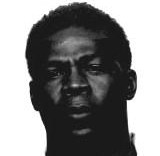
Forensic & Criminological Matrix
| Parameter | Forensic Detail |
|---|---|
| Forensic Heading / Aliases | None recorded |
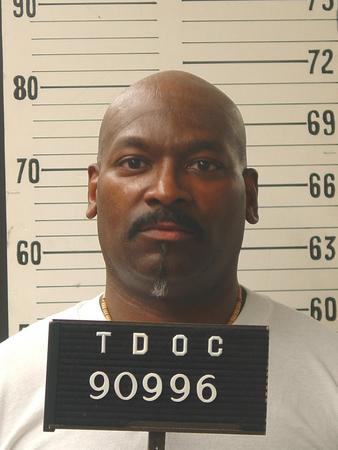
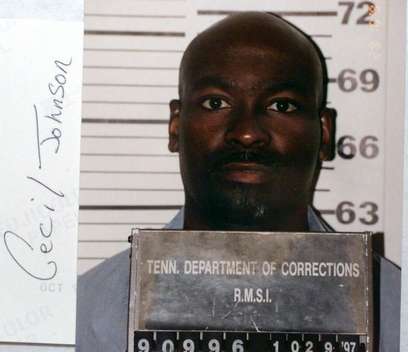
| Legal Identity | Cecil Johnson Jr. |
| Confirmed Victims | 3 |
| Attributed / Indicted Victims | 3 |
| Active Timeline | 1980 |
| Jurisdiction / Area of Operations | Nashville, Tennessee |
| Criminological Classification | Multiple murderer |
| Forensic Modus Operandi | Execution by firearm following robbery |
| Weapon / Mechanism of Death | Firearm (handgun) |
| Motive / Behavioral Dynamics | Instrumental / Economic |
| Judicial Outcome | Death penalty (Executed) |
1. Background and Profile
Cecil Johnson Jr. was an American criminal whose violent career culminated in a series of homicides in Nashville, Tennessee. His criminological profile is characterized by an escalation from property crimes to the deliberate execution of victims during armed robberies.
2. Criminal Career and Modus Operandi
In 1980, Johnson committed a robbery at a commercial establishment that resulted in the deaths of three individuals: Bobby Bell, James Moore, and Charles House. His modus operandi involved subduing victims at gunpoint before executing them to eliminate witnesses.
3. Investigation and Arrest
The investigation was conducted by the Nashville Police Department. Ballistic evidence and eyewitness testimony were crucial in linking Johnson to the crime scene. Forensic analysis of the shooting trajectories was instrumental in securing the conviction.
4. Legal Proceedings and Outcome
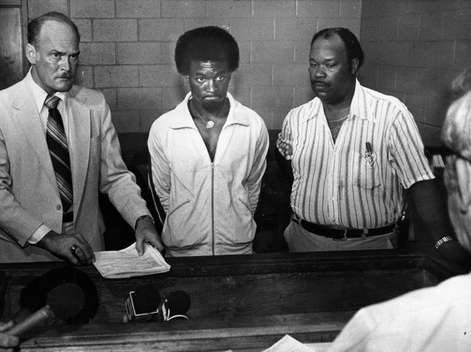
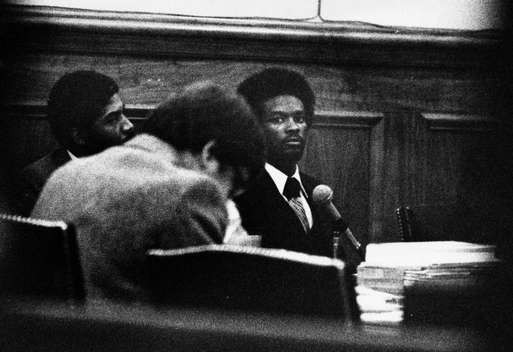
Following his arrest, Johnson was charged with three counts of first-degree murder. The trial was marked by the strength of the prosecution's evidence. He was found guilty and sentenced to death, a sentence upheld through multiple appeals.
5. Psychiatric Assessment and Final Outcome
During his time on death row, Johnson maintained a stance of religious redemption. He was executed by lethal injection on December 2, 2009, at the Riverbend Maximum Security Institution in Tennessee.