Forensic & Criminological Matrix
| Parameter | Forensic Detail |
|---|---|
| Forensic Heading / Aliases | None |
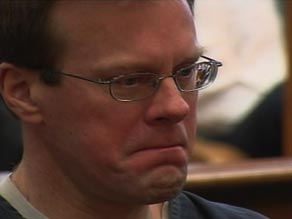
| Legal Identity | Mark D. Jensen |
| Confirmed Victims | 1 |
| Attributed / Indicted Victims | 1 |
| Active Timeline | 1998 |
| Jurisdiction / Area of Operations | Pleasant Prairie, Wisconsin |
| Criminological Classification | Spousal murderer |
| Forensic Modus Operandi | Ethylene glycol poisoning and mechanical asphyxiation |
| Weapon / Mechanism of Death | Antifreeze and pillow |
| Motive / Behavioral Dynamics | Elimination of spouse to pursue a new relationship |
| Judicial Outcome | Life imprisonment without parole |
1. Background and Profile
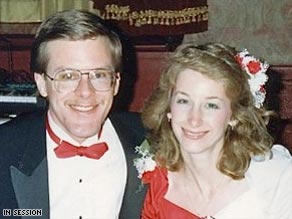
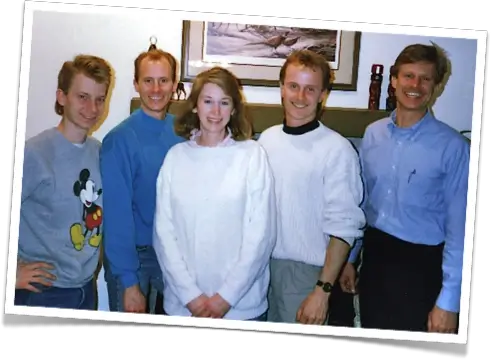
Mark D. Jensen (born 1959) was a stockbroker living in Pleasant Prairie, Wisconsin. While he maintained the appearance of a successful family man, his marriage to Julie Jensen was deteriorating due to his infidelity with a co-worker, Kelly LaBonte, and his desire to end the marriage without the complications of a divorce.
2. Criminal Career and Modus Operandi
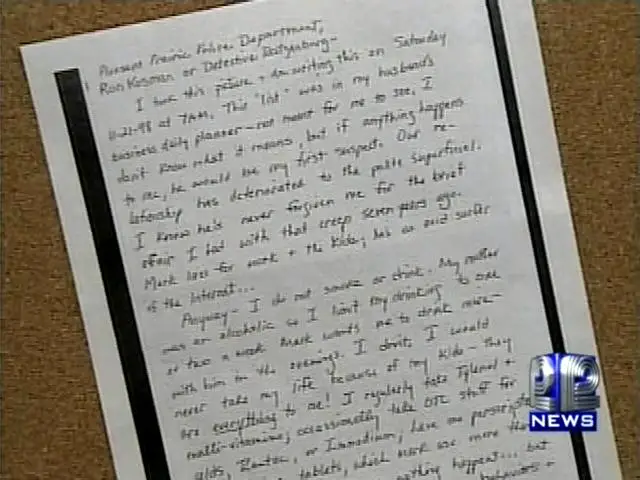
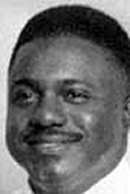
On December 3, 1998, Julie Jensen was found dead. Although initially suspected to be a suicide, a letter she had entrusted to her neighbors, Ted and Margaret Wojt, explicitly named Mark as a suspect in her potential death. Forensic evidence later confirmed she had been poisoned with antifreeze. Jailhouse informant Aaron Dillard testified that Jensen admitted to suffocating his wife with a pillow when the poison did not act quickly enough.
3. Investigation and Arrest
The investigation spanned several years, primarily focused on the admissibility of Julie's letter. After the Wisconsin Supreme Court ruled the letter admissible as a 'dying declaration,' the prosecution was able to build a solid case. The combination of the letter, the forensic evidence of poisoning, and the informant's testimony proved decisive.
4. Legal Proceedings and Outcome
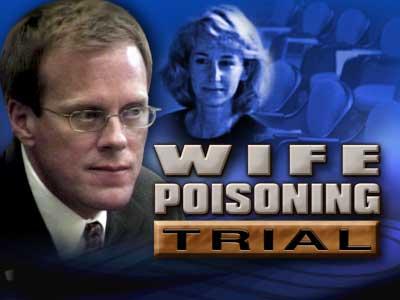
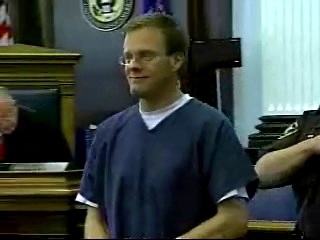
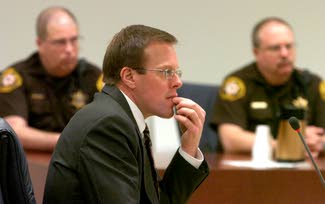
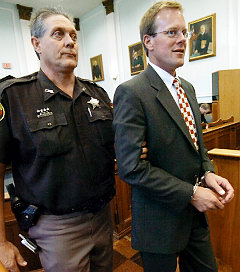
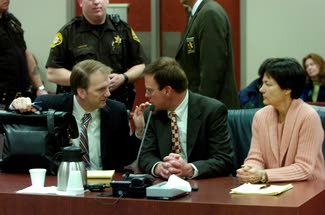
Jensen was arrested in 2002 and faced a high-profile trial in 2008. His defense team argued that Julie had committed suicide due to depression, but the jury rejected this claim. He was found guilty of first-degree intentional homicide and sentenced to life in prison without the possibility of parole.