Forensic & Criminological Matrix
| Parameter | Forensic Detail |
|---|---|
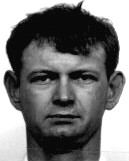
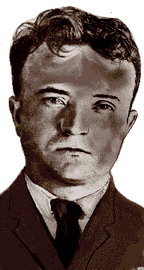
| Forensic Heading / Aliases | Paul Jaworski |
| Legal Identity | Paul Jaworski |
| Confirmed Victims | 1 |
| Attributed / Indicted Victims | 1 |
| Active Timeline | 1927-1928 |
| Jurisdiction / Area of Operations | Michigan and Pennsylvania, USA |
| Criminological Classification | Armed robber and gang leader |
| Forensic Modus Operandi | Armed robbery with shotguns and high-speed getaway vehicles |
| Weapon / Mechanism of Death | Shotguns and .45 caliber revolvers |
| Motive / Behavioral Dynamics | Financial gain and organized crime |
| Judicial Outcome | Executed by electric chair in Pennsylvania |
1. Background and Profile
Paul Jaworski was a Polish-American criminal who led a violent gang during the late 1920s. He was known for his defiant attitude toward authority and his staunch atheism. His criminal activities were characterized by meticulous planning and extreme violence, which forced security companies to modernize their armored transport vehicles.
2. Criminal Career and Modus Operandi
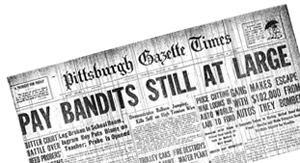
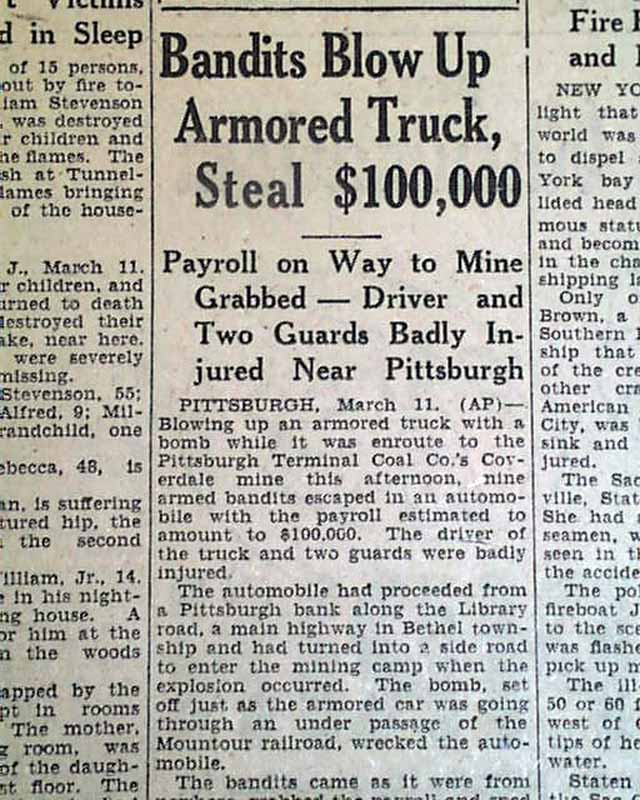
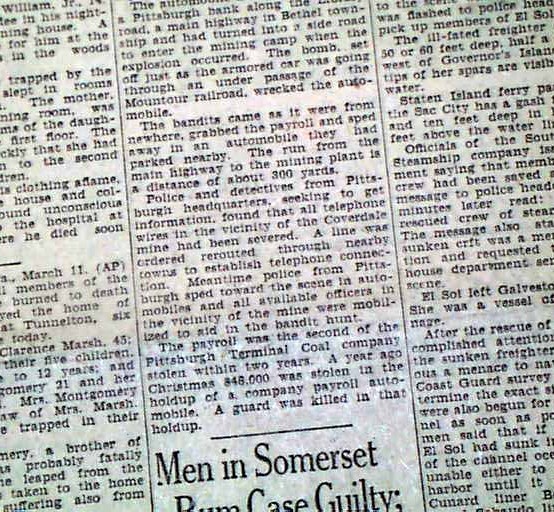
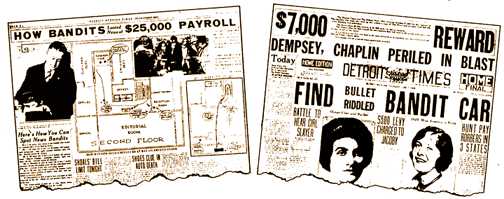
Jaworski's most infamous act was the June 6, 1928, robbery of The Detroit News business offices. He and his gang used paper bags to conceal shotguns before storming the building. During their escape, they shot and killed Sergeant George Barstad. Jaworski was also responsible for several payroll robberies in Pennsylvania, one of which resulted in a murder that led to his capital conviction.
3. Investigation and Arrest
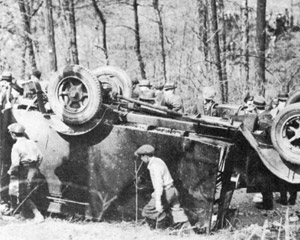
Following the Detroit robbery, law enforcement agencies launched an intensive manhunt. Jaworski was captured in a farmhouse 30 miles from the crime scene after initially identifying himself as "John Smith." Upon capture, he confessed to his crimes, implicated his accomplices, and led authorities to $33,000 in buried loot.
4. Legal Proceedings and Outcome
Jaworski was tried and convicted in Pennsylvania for a payroll robbery-murder. Despite a brief stay of execution for a sanity evaluation, the court upheld the death sentence. He was executed via the electric chair on January 21, 1929.