



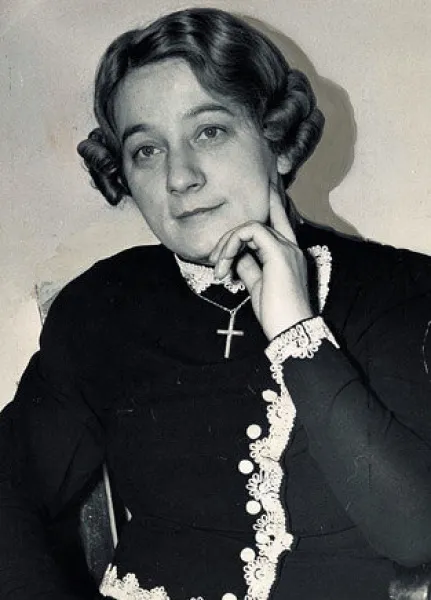
Forensic & Criminological Matrix
| Parameter | Forensic Detail |
|---|---|
| Forensic Heading / Aliases | Blond Tigress |
| Legal Identity | Eleanor Berendt |
| Confirmed Victims | 1 (Gustav Hoeh, as accomplice to murder) |
| Active Timeline | 1933 (Armed robbery and homicide) / Prison escape in 1940 |
| Jurisdiction / Area of Operations | Chicago, Illinois, United States |
| Criminological Classification | Accomplice to armed robbery / Long-term fugitive |
| Forensic Modus Operandi | Logistical support and intimidation during armed robberies of retail establishments, resulting in lethal force by accomplices |
| Weapon / Mechanism of Death | Firearm (discharged by accomplice) / Physical confrontation |
| Motive / Behavioral Dynamics | Financial gain through armed robbery |
| Judicial Outcome | Sentenced to 199 years in prison in 1933; escaped in 1940 and remained at large indefinitely |
1. Background and Profile
Eleanor Berendt was born in Sioux City, Iowa, the youngest of eight children. After marrying Leroy Jarman and having two children, her husband abandoned the family. Jarman relocated to Chicago, Illinois, working odd jobs until she met George Dale, a local criminal who provided financial support, although Jarman later maintained she was unaware of his illicit activities.
2. Crime Spree
On August 4, 1933, Dale, Jarman, and Leo Minneci attempted to rob a clothing store on Chicago's far West Side owned by Gustav Hoeh. During the struggle, Jarman clawed at the shop owner before Dale shot and killed him. The media sensationalized her involvement, dubbing her the "Blond Tigress" and drawing comparisons to Bonnie Parker.
3. Investigation and Manhunt
Witnesses noted the getaway vehicle's license plate, leading police directly to Minneci, who implicated Dale and Jarman. Arrested shortly thereafter, Jarman claimed she was in the back room looking for clothes, while eyewitnesses testified that she actively threatened the clerk alongside Dale.
4. Legal Proceedings and Outcome
Prosecuting attorney Wilbur Crowley demanded the death penalty. George Dale was condemned to the electric chair, while Minneci and Jarman received lengthy sentences. Jarman was handed a 199-year prison sentence—one of the longest ever imposed on a female offender at the time.
5. Psychiatric Assessment and Aftermath
After serving seven years as a model prisoner, Jarman learned her son intended to run away from his foster home. Driven by maternal anxiety, she escaped prison on August 8, 1940. She verified her children's well-being in Iowa before going permanently underground. Despite being placed on the FBI's radar, she successfully evaded capture for decades, maintaining secretive contact with her family until the mid-1990s. She was never apprehended.