Forensic & Criminological Matrix
| Parameter | Forensic Detail |
|---|---|
| Forensic Heading / Aliases | George Dale |
| Legal Identity | George Dale |
| Confirmed Victims | 1 |
| Attributed / Indicted Victims | 1 |
| Active Timeline | 1933 |
| Jurisdiction / Area of Operations | Chicago, Illinois, USA |
| Criminological Classification | Armed Robber / Homicide |
| Forensic Modus Operandi | Armed robbery with firearm usage |
| Weapon / Mechanism of Death | Firearm (triggerman) |
| Motive / Behavioral Dynamics | Financial gain |
| Judicial Outcome | Death penalty by electrocution |
1. Background and Profile
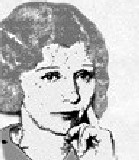
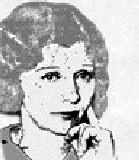
George Dale was an American criminal active in Chicago during the 1930s. He is primarily known for his involvement in a criminal gang alongside Eleanor Jarman and Leo Minnici. His criminological profile is defined by his role as the primary triggerman in armed robbery operations.
2. Crime Spree
In August 1933, Dale participated in the robbery of Hoeh's store in Chicago. During the robbery, Dale, acting as the group's shooter, caused the death of a victim. This act of extreme violence during a property crime became the defining factor in his legal prosecution.
3. Investigation and Arrest
Police investigation quickly identified the three participants: George Dale, Eleanor Jarman, and Leo Minnici. Forensic evidence and witness testimony established Dale as the person who fired the fatal shot, which differentiated his level of culpability from his accomplices.
4. Legal Proceedings and Outcome
Following his arrest, the judicial process was swift. While Minnici and Jarman were sentenced to 199 years in prison, Dale was sentenced to death. While on death row, he maintained a romantic relationship with his accomplice Eleanor Jarman, writing her a love letter shortly before his execution.
5. Forensic Conclusion
George Dale was executed by electrocution in 1934. His case remains a notable entry in Illinois criminal archives due to the disparity in sentencing among the co-defendants and their subsequent fates: Minnici was paroled in 1954, and Jarman escaped from prison in 1940, never to be heard from again.