Forensic & Criminological Matrix
| Parameter | Forensic Detail |
|---|---|
| Forensic Heading / Aliases | Rajendra Jakkal |
| Legal Identity | Rajendra Jakkal |
| Confirmed Victims | 10 |
| Attributed / Indicted Victims | 10 |
| Active Timeline | 1976 - 1977 |
| Jurisdiction / Area of Operations | Pune and Kolhapur, Maharashtra, India |
| Criminological Classification | Serial Killer / Organized Criminal |
| Forensic Modus Operandi | Kidnapping, strangulation with nylon rope, body concealment |
| Weapon / Mechanism of Death | Nylon rope, mechanical asphyxia |
| Motive / Behavioral Dynamics | Financial gain (ransom and robbery) |
| Judicial Outcome | Death penalty by hanging (executed in 1983) |
1. Background and Profile
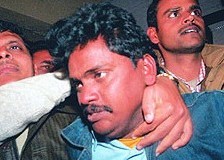
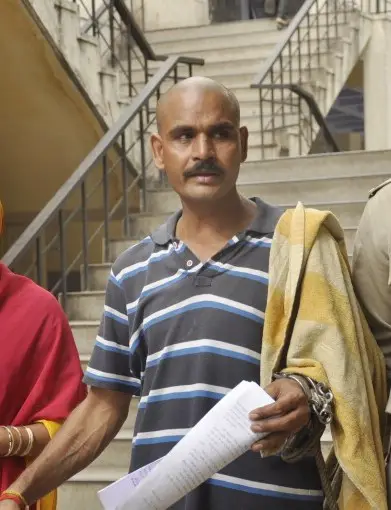
Rajendra Jakkal was the ringleader of a criminal gang operating in Pune during the 1970s. An art student, Jakkal leveraged his social circle to recruit accomplices and orchestrate a series of kidnappings and robberies that escalated into multiple homicides. His criminological profile is characterized by calculated coldness and a criminal progression from extortion to systematic murder.
2. Criminal Career and Modus Operandi
The gang, consisting of Jakkal and three accomplices, began their criminal activity in January 1976 with the kidnapping of Prakash Hegde. After murdering him, they dumped his body in an iron barrel into Peshwe Park lake. Subsequently, the group attacked the Joshi family in October 1976, murdering three members, and finally, in December 1976, they perpetrated the massacre at the Abhyankar family bungalow, where five people were strangled. Their final documented crime was the murder of Anil Gokhale in March 1977.
3. Investigation and Arrest
The investigation was led by Assistant Commissioner of Police Madhusudan Hulyalkar. The discovery of Anil Gokhale's body in the Mula-Mutha river allowed the police, under the direction of Police Inspector Manikrao Damame, to identify a forensic pattern: the identical use of nylon ropes in all crimes. Police pressure during interrogations led to the confession of Satish Gore and Suhas Chandak, resulting in the arrest of the entire gang on March 30, 1977.
4. Legal Proceedings and Outcome
The trial began on May 15, 1978, at the Pune Sessions Court. Judge Waman Narayan Bapat sentenced the group to death on September 28, 1978. After exhausting appeals to the Bombay High Court and the Supreme Court of India, the four convicts petitioned the President of India for clemency, which was denied.
5. Forensic Conclusion
The four members of the gang were executed at Yerawada Central Jail on November 27, 1983. No psychiatric pathologies were documented that would exempt them from criminal responsibility, as they were judged to be fully aware of their criminal actions.