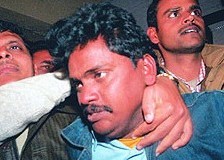
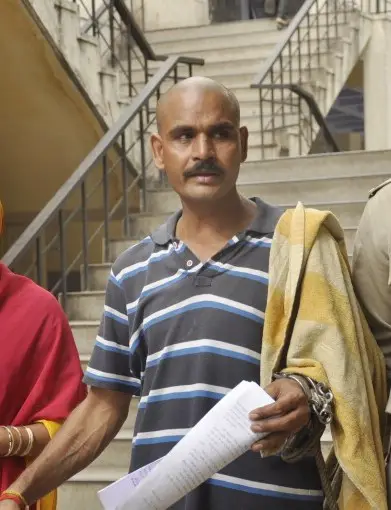
Forensic & Criminological Matrix
| Parameter | Forensic Detail |
|---|---|
| Forensic Heading / Aliases | null |
| Legal Identity | Shantaram Kanhoji Jagtap |
| Confirmed Victims | 10 |
| Attributed / Indicted Victims | 10 |
| Active Timeline | 1976-1977 |
| Jurisdiction / Area of Operations | Pune and Kolhapur, Maharashtra, India |
| Criminological Classification | Serial Killer / Gang-related offender |
| Forensic Modus Operandi | Kidnapping, nylon rope strangulation, body concealment |
| Weapon / Mechanism of Death | Nylon rope, mechanical asphyxiation |
| Motive / Behavioral Dynamics | Financial gain (extortion) and witness elimination |
| Judicial Outcome | Death sentence, executed in 1983 |
1. Background and Profile
Shantaram Kanhoji Jagtap was the leader of a criminal gang operating in Pune, India, during the 1970s. His criminal activities were characterized by extreme violence and a systematic approach to kidnapping for ransom.
2. Criminal Career and Modus Operandi
The gang targeted individuals for ransom, often using deception to abduct them. Their modus operandi involved strangling victims with nylon ropes and disposing of bodies in iron barrels or rivers. Notable crimes included the murder of Prakash Hegde (1976), the Joshi family (1976), and the mass murder at the Abhyankar residence (1976), where five individuals were killed.
3. Investigation and Arrest
Assistant Commissioner of Police Madhusudan Hulyalkar led the investigation. The discovery of Anil Gokhale's body in the Mula-Mutha river provided the forensic link, as the knots used on the nylon ropes matched those found in previous cases. Interrogations of gang members led to full confessions and the arrest of the group on March 30, 1977.
4. Legal Proceedings and Outcome
The trial commenced on May 15, 1978. On September 28, 1978, the Pune Sessions Court sentenced the perpetrators to death. Following failed appeals to the Bombay High Court and the Supreme Court, and the rejection of a presidential pardon, the sentence was carried out.
5. Forensic Conclusion
Shantaram Jagtap was executed at Yerawada Central Jail on November 27, 1983. The case remains a significant study in Indian criminology regarding gang-led serial violence.