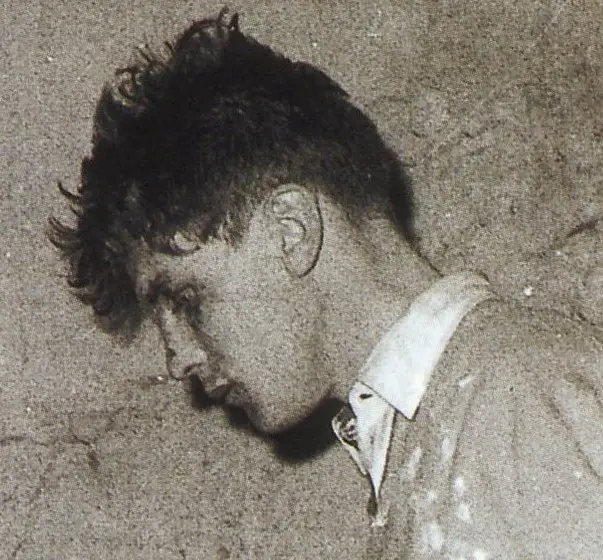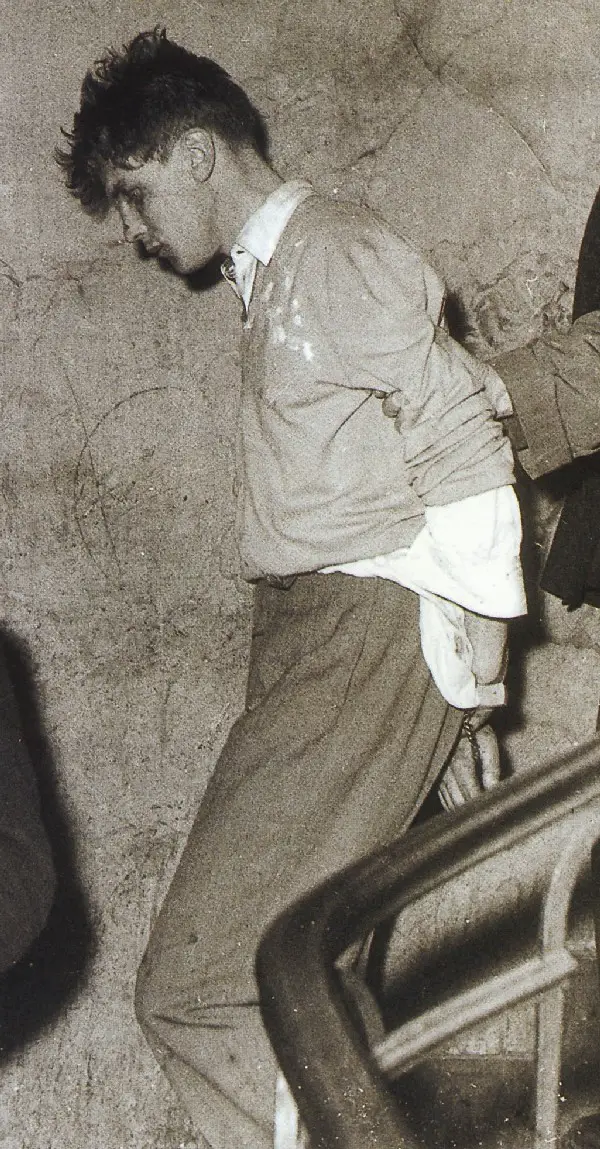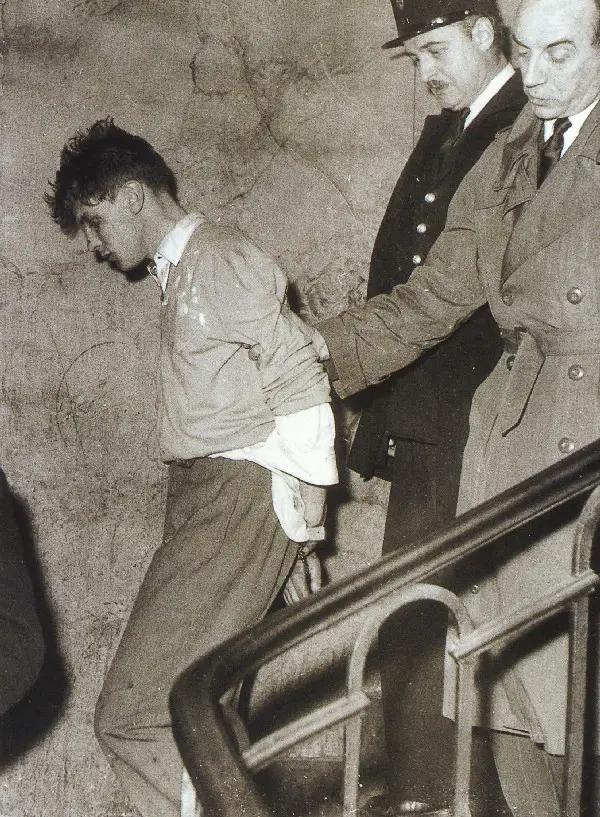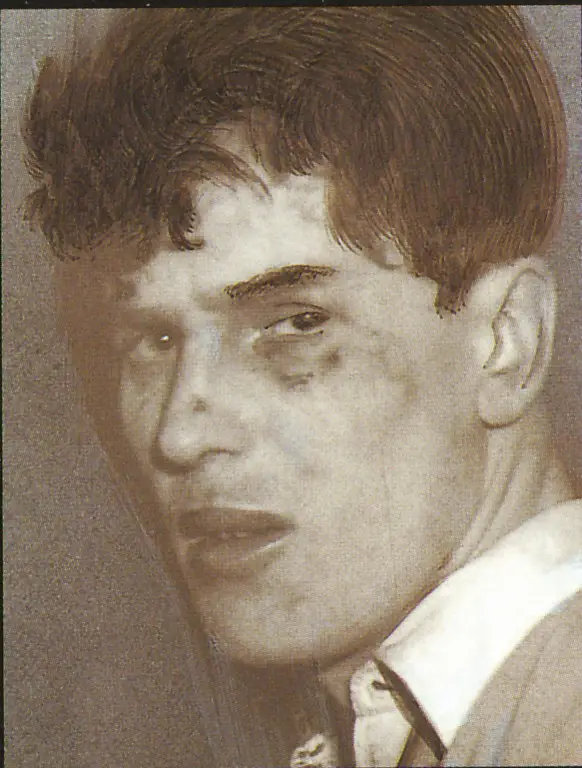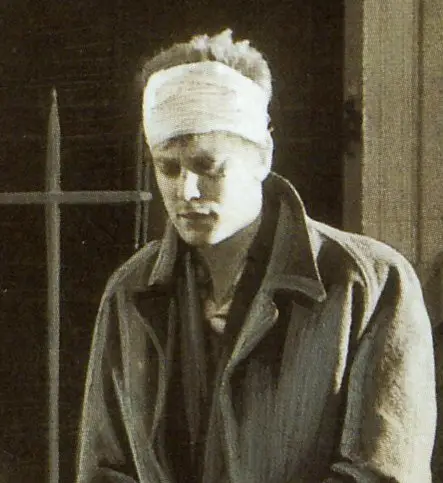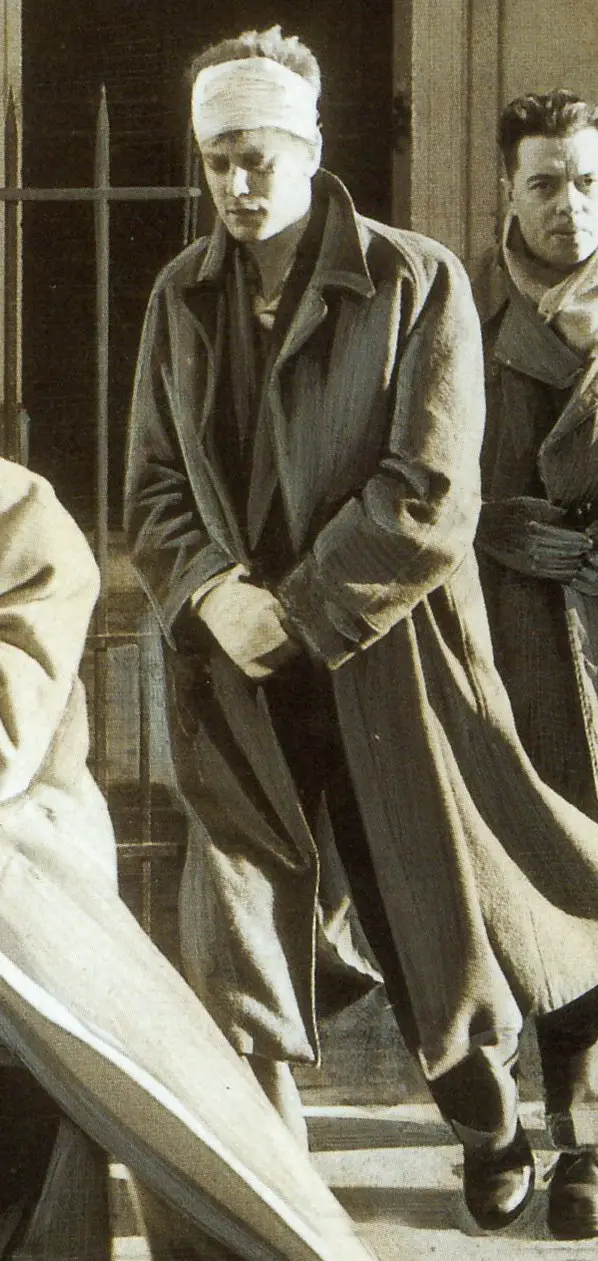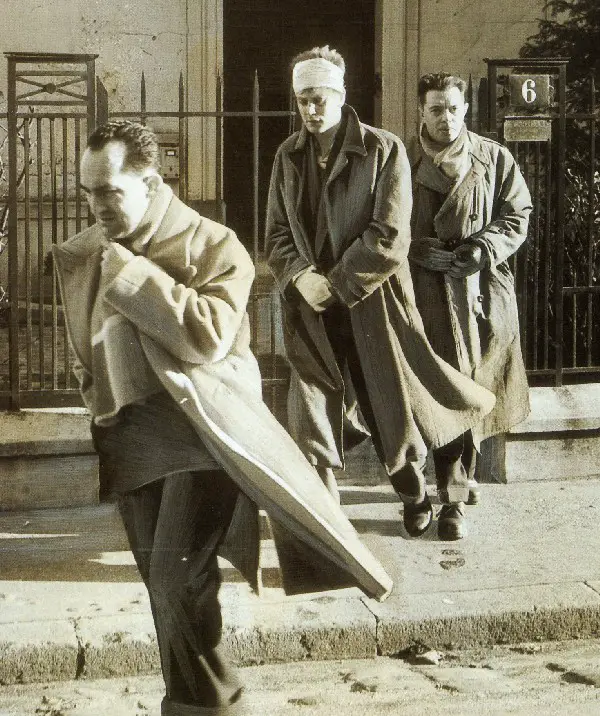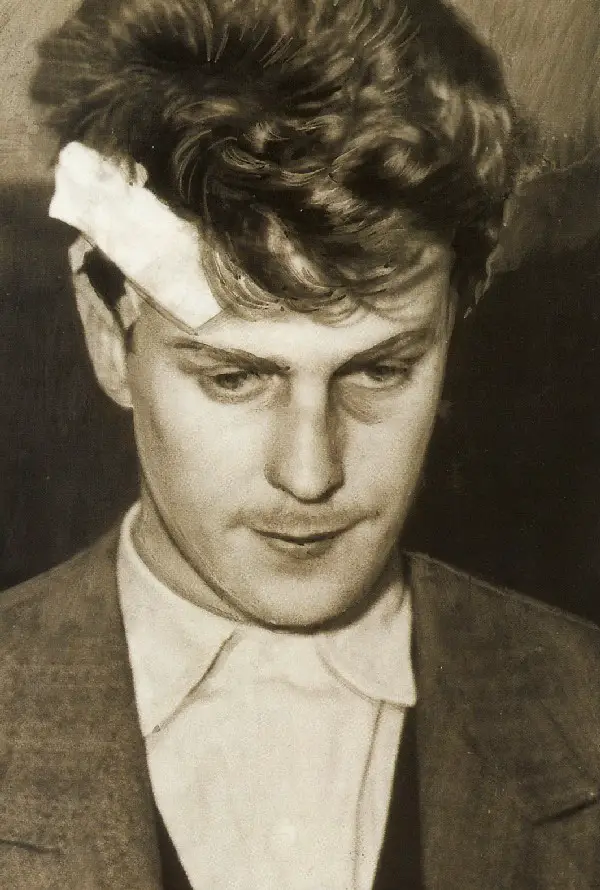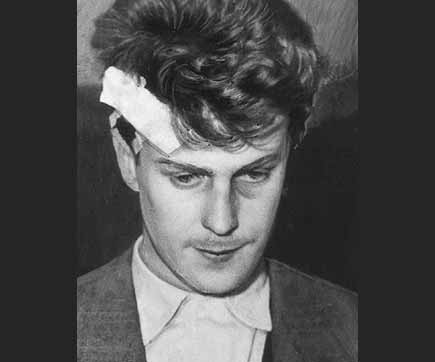




Forensic & Criminological Matrix
| Parameter | Forensic Detail |
|---|---|
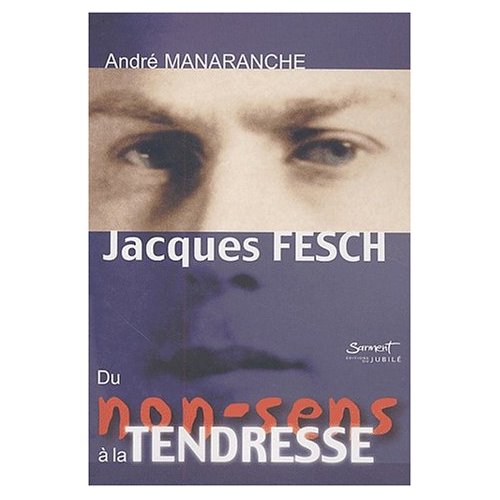
| Full Legal Name | Jacques Fesch |
| Ecclesiastical & Criminal Monikers | The Saint of the Guillotine, The Mystic Convict of La Santé |
| Born | April 6, 1930, Saint-Germain-en-Laye, Yvelines, France |
| Died | October 1, 1957 (aged 27), La Santé Prison, Paris, France |
| Manner of Death | Judicial execution by decapitation on the guillotine (Executioner André Obrecht) |
| Criminological Classification | Armed commercial robbery homicide perpetrator, cop killer; subsequent death-row contemplative convert |
| Date of Primary Crime | February 25, 1954 |
| Crime Scene | Rue Vivienne and Grands Boulevards, 2nd arrondissement, Paris, France |
| Fatal Victim | Jean Vergne (35-year-old municipal police officer, widowed father of a 4-year-old daughter) |
| Wounded Casualties | Alexandre Silberstein (money dealer bludgeoned with gun butt) and two bystanders shot during street flight |
| Weaponry Used | 7.65 mm caliber six-shot revolver |
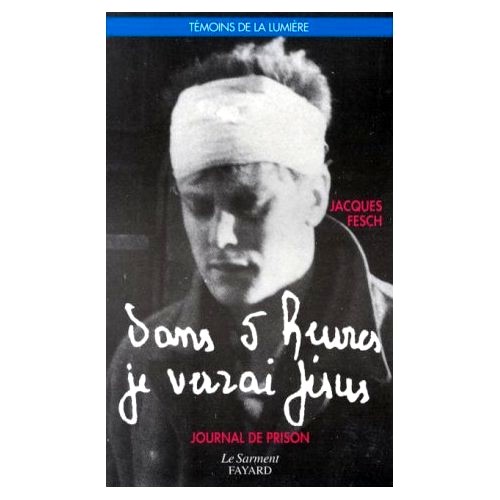
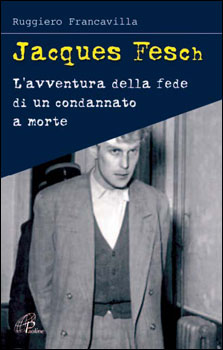
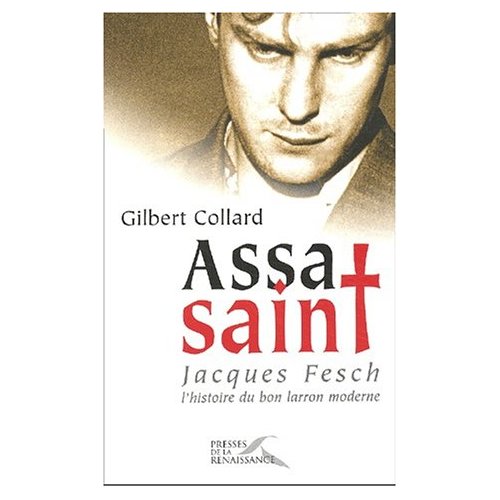
| Spiritual & Theological Landmark | Underwent a documented mystical conversion to Roman Catholicism while on death row; his collected spiritual prison letters and diaries (Light on the Scaffold / In Five Hours I Shall See Jesus) became global religious classics. In 1987, Cardinal Jean-Marie Lustiger, Archbishop of Paris, formally opened a cause for his Catholic beatification |
| Final Disposition | Convicted of capital murder in April 1957; guillotined at La Santé on October 1, 1957 |
EXECUTIVE SUMMARY & THEOLOGICAL DEBATE
The case of Jacques Fesch stands as one of the most polarizing intersectional cases in modern European criminological and ecclesiastical history. Born into an elite Parisian banking family, Fesch carried out an armed payroll robbery in 1954 that concluded with the fatal shooting of a pursuing patrolman.
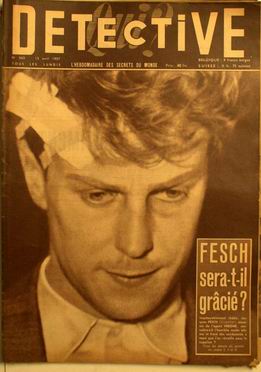
However, during three years in solitary confinement at La Santé Prison awaiting the guillotine, Fesch experienced a profound Christian conversion. His death-row spiritual journals captivated Catholic theologians, prompting the Archbishop of Paris, Cardinal Jean-Marie Lustiger, to formally sponsor his canonization cause in the 1990s, triggering ongoing public debate between law enforcement unions and the Catholic Church.
BOURGEOIS ROOTS AND TAHITI ESCAPISM
Born into great wealth in 1930, Fesch experienced an emotionally arid childhood governed by an estranged, authoritarian father. Following mandatory military service, Fesch abandoned his young wife and infant daughter to pursue a dissolute bohemian existence across Parisian nightclubs.
By 1953, he formed an obsession: purchasing a yacht to sail to Tahiti and escape European societal conventions. Rebuffed by his father for financial backing, Fesch resolved to obtain two million francs by staging an armed heist of a gold brokerage.
THE RUE VIVIENNE HEIST AND SLAYING OF JEAN VERGNE
On the evening of February 25, 1954, Fesch entered the currency exchange office of Alexandre Silberstein on Rue Vivienne. Brandishing a revolver, he demanded the till contents. When Silberstein resisted, Fesch bludgeoned him across the skull with the revolver butt, seized 300,000 francs, and fled into the crowded boulevards.
Silberstein pursued, screaming for assistance. As crowds gave chase, patrol officer Jean Vergne (a 35-year-old widower) drew his duty revolver at the Richelieu-Drouot metro entrance, ordering Fesch to halt.
Fesch fired three rounds through his trench coat pocket without aiming. One bullet struck Vergne squarely in the chest, killing him instantly. Fesch fired at chasing pedestrians, wounding two, before being tackled and disarmed on the subway platform.
MYSTICAL CONVERSION ON DEATH ROW
Incarcerated in solitary cell 18 at La Santé, Fesch was initially sullen and haughty. However, the patient pastoral guidance of his attorney Paul Baudet and a prison chaplain triggered an existential transformation.
On the night of February 28, 1955, Fesch described an instantaneous spiritual awakening: "In a fraction of a second, I felt grace touch me; God existed and was by my side."
For the remaining thirty months of his life, Fesch led an ascetic existence within his cell, studying mystical theology. He produced handwritten journals and letters expressing contrition for the murder of Officer Vergne and beseeching forgiveness from the officer's orphaned daughter.
TRIAL AND GUILLOTINE EXECUTION
Tried in April 1957 before the Seine Assizes Court, public anger over the killing of a police officer overshadowed evidence of his spiritual reform. The prosecutor declared that society owed the police force the supreme penalty.
Fesch was sentenced to death. President René Coty refused executive clemency.
At 5:30 a.m. on October 1, 1957, Jacques Fesch was led to the guillotine erected in the prison courtyard. He kissed the crucifix held by the priest and proclaimed his final words: "Holy Virgin, have pity on me!" The blade descended, ending his life at age 27.
THE BEATIFICATION CONTROVERSY
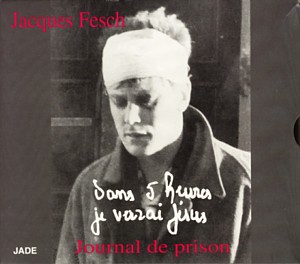
Following his death, his spiritual writings were compiled into bestsellers including Light on the Scaffold and In 5 Hours I Shall See Jesus, translated worldwide.
In December 1993, Cardinal Lustiger opened a formal diocesan inquiry for Fesch's beatification, arguing that no human soul was beyond redemption and that Fesch could serve as a patron of penitents and prisoners. The move drew fierce opposition from French police unions and victims' rights organizations, who denounced the potential canonization of a convicted cop killer.