



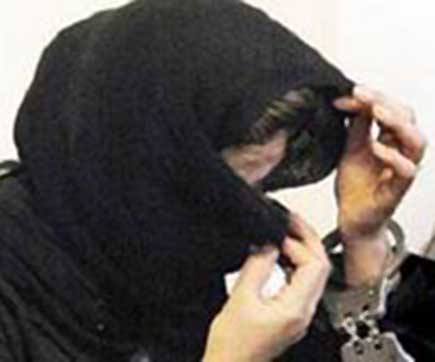
Forensic & Criminological Matrix
| Parameter | Forensic Detail |
|---|---|
| Forensic Heading / Aliases | Reyhaneh Jabari |
| Legal Identity | Reyhaneh Jabbari |
| Confirmed Victims | 1 (Morteza Abdolali Sarbandi) |
| Active Timeline | July 7, 2007 |
| Jurisdiction / Area of Operations | Tehran, Iran |
| Criminological Classification | Homicide in self-defense / Disputed judicial case |
| Forensic Modus Operandi | Use of a pocketknife to repel a sexual assault in an enclosed environment |
| Weapon / Mechanism of Death | Pocketknife / Stab wound |
| Motive / Behavioral Dynamics | Self-defense against attempted rape and drugging |
| Judicial Outcome | Death sentence by hanging under Qisas (retribution law), executed on October 25, 2014 |
1. Background and Profile
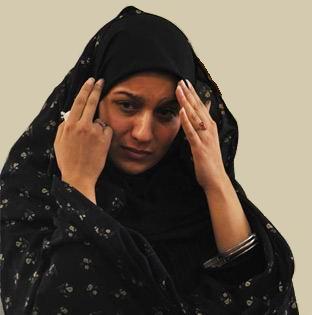
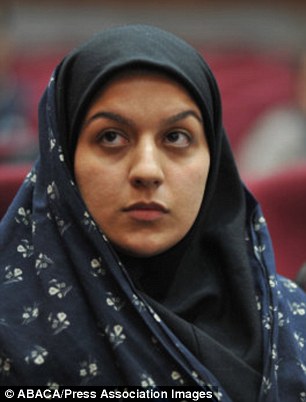
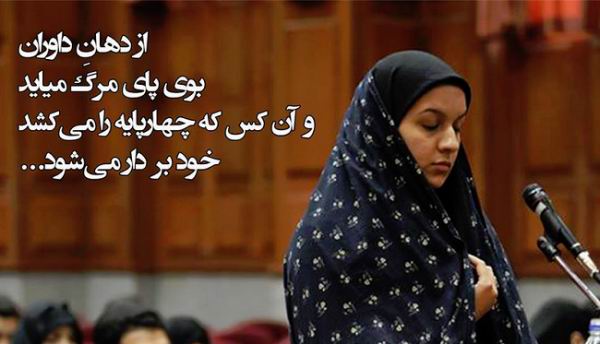
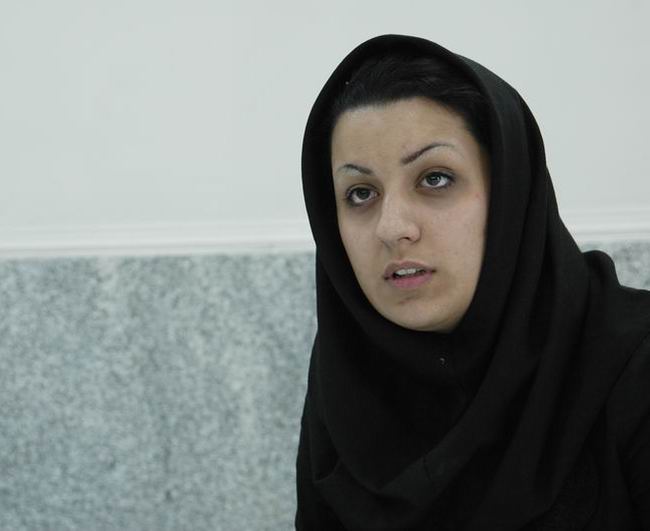
Reyhaneh Jabbari was born in Iran in 1988 and worked as an interior decorator in Tehran. Her life changed drastically in July 2007 when, at the age of 19, she crossed paths with Morteza Abdolali Sarbandi, a former employee of the Iranian Intelligence Ministry, who lured her under the pretense of hiring her for office renovation.
2. Crime Spree and Modus Operandi
On July 7, 2007, Jabbari attended a business appointment with Sarbandi, who drove her to a rundown, vacant apartment in a remote area of Tehran. Forensic findings and defense evidence later revealed that Sarbandi had stopped at a pharmacy to purchase condoms and laced a drink with sedatives intended to incapacitate her. Confronted with locked doors and explicit sexual coercion, Jabbari resisted, retrieved a small pocketknife from her bag, stabbed Sarbandi in the shoulder, and fled the premises.
3. Police Investigation and Forensic Hunt
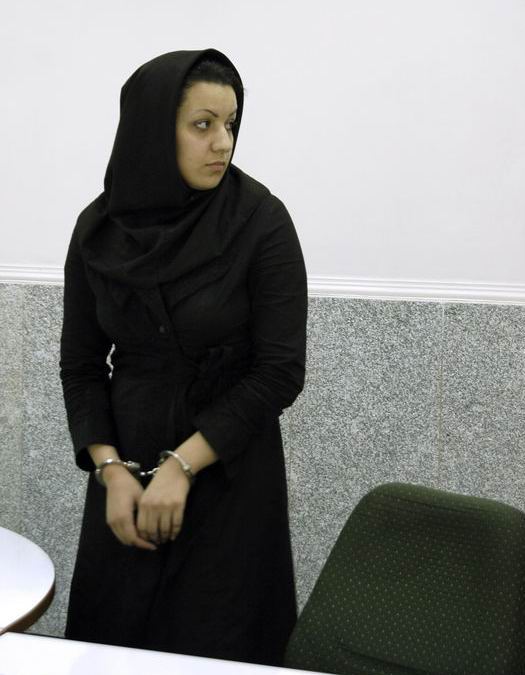
Police traced Jabbari to her home later that night and arrested her around 2:00 AM. Throughout the investigation, Jabbari maintained she acted purely in self-defense to thwart a violent rape. Human rights organizations and legal experts subsequently highlighted major procedural flaws, including coerced confessions obtained under torture, ignored forensic evidence of sedatives in her drink, and the potential tampering of crucial exonerating evidence.
4. Legal Proceedings and Trial
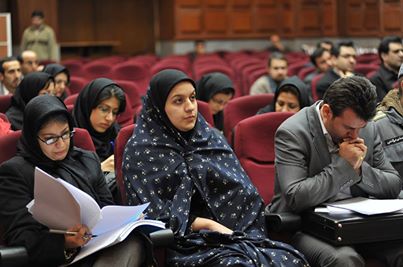
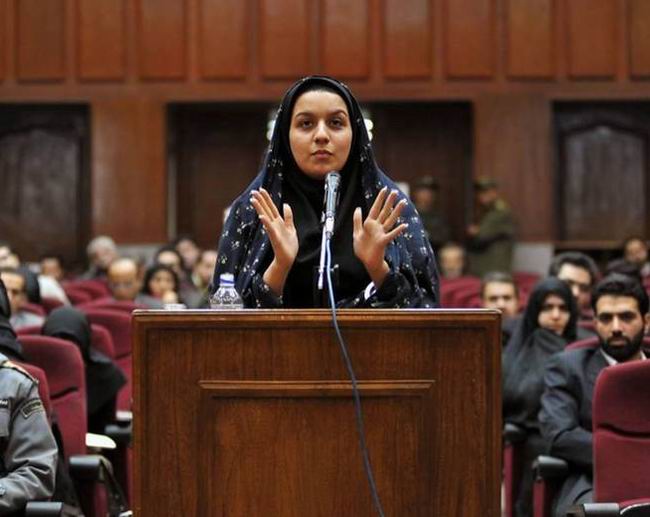
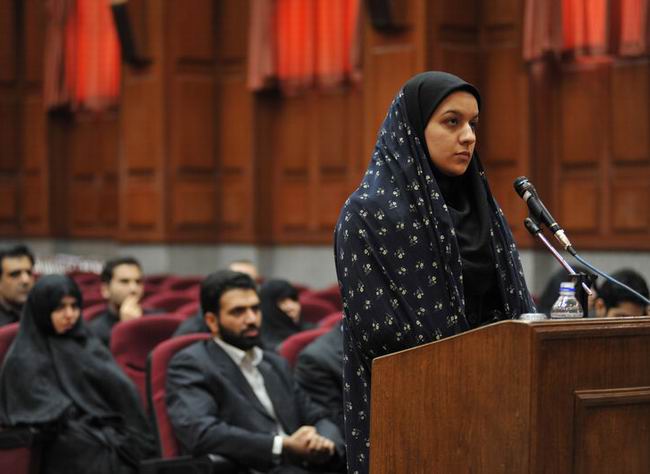
The case sparked widespread international outrage over Iran's penal code and the application of Qisas ("eye for an eye"), which grants the victim's family the ultimate authority over the execution of the sentence. Despite intense global lobbying by Amnesty International, the United Nations, and the European Union for a retrial and clemency, Sarbandi's family refused to pardon her.
5. Psychiatric Assessment and Outcome
Following years of legal battles and temporary stays of execution, Jabbari's sentence was upheld. Although her execution was briefly halted in September 2014 following international pressure, the victim's family ultimately rejected forgiveness. Reyhaneh Jabbari was executed by hanging on October 25, 2014, at Rajaiy Shahr Prison, leaving behind a legacy as a focal point for discussions on human rights, judicial transparency, and women's self-defense rights in Iran.