



Forensic & Criminological Matrix
| Parameter | Forensic Detail |
|---|---|
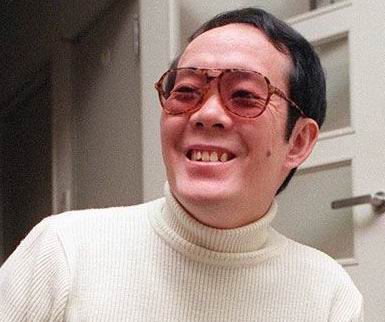
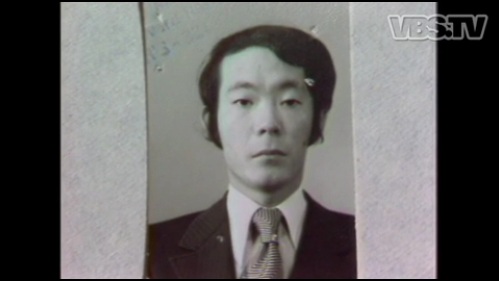
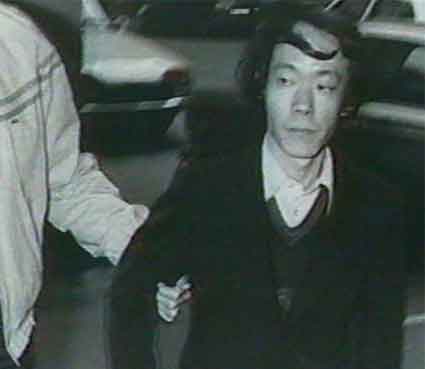
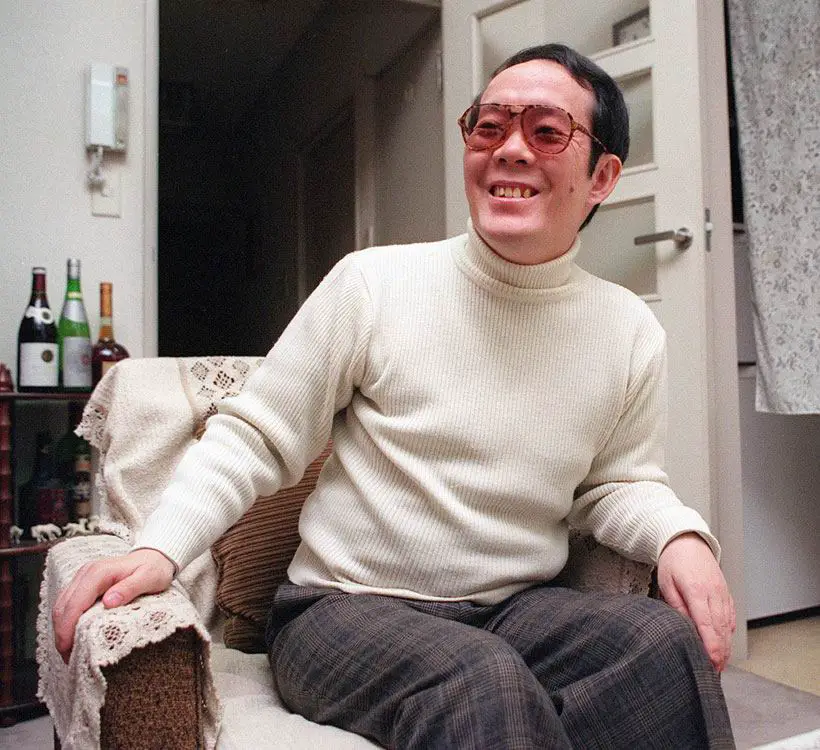
| Full Legal Name | Issei Sagawa (佐川 一政) |
| Monikers & Cultural Monikers | The Cannibal of Paris, The Kobe Cannibal, The Cannibal Superstar |
| Born | April 26, 1949, Kobe, Hyōgo Prefecture, Japan |
| Died | November 24, 2022 (aged 73), Tokyo Hospital, Japan |
| Manner of Death | Acute pneumonia and natural physiological complications |
| Criminological Classification | Paraphilic sexual homicide perpetrator, necrophile, and erotophagic cannibal |
| Crime Date | June 11, 1981 |
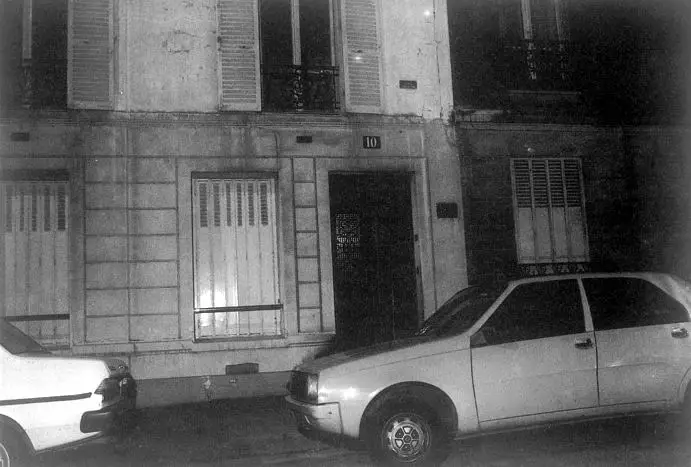
| Crime Scene | Apartment 10, Rue Erlanger, 16th arrondissement, Paris, France |
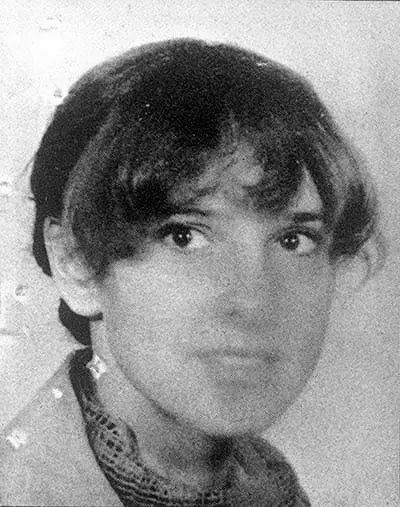
| Fatal Victim | Renée Hartevelt (25), Dutch comparative literature postgraduate student at the Sorbonne |
| Modus Operandi | Luring the victim under academic pretexts to translate German poetry; shooting her in the back of the neck with a .22 rifle; post-mortem sexual abuse (necrophilia); anatomical butchery of muscular and adipose tissue; refrigerating and frying cuts of flesh consumed over a 48-hour period; attempting to submerge dismembered remains in suitcases into the Bois de Boulogne pond |
| Weapons Used | .22 caliber Long Rifle hunting rifle and Japanese culinary knives |
| The Transnational Legal Impasse | Declared legally insane by French examining magistrate Jean-Louis Bruguière in 1983; deported to Japan in 1984 where psychiatrists evaluated him as legally sane and criminally responsible. Because French courts had dismissed the indictment and sealed evidentiary files, Japanese authorities could not retry him (non bis in idem), resulting in his unconditional release in August 1986 |
| Post-Incarceration Celebrity | Operated as an author, television commentator, restaurant reviewer for Spa magazine, and painter in Tokyo until his death in 2022 |
EXECUTIVE SUMMARY & CRIMINOLOGICAL ANOMALY
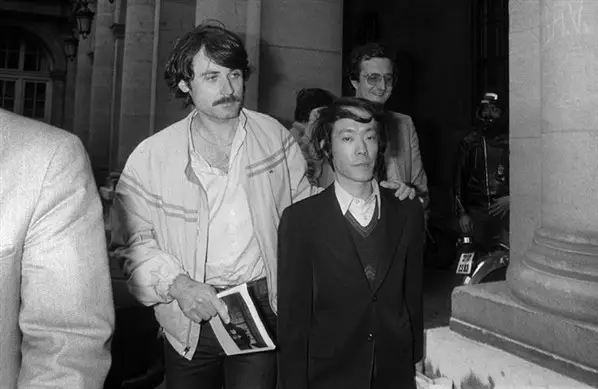
The case of Issei Sagawa remains one of the most grotesque anomalies in international legal and forensic history. On June 11, 1981, inside his upscale Parisian flat, 32-year-old Japanese graduate student Issei Sagawa murdered, sexually violated, and cannibalized Dutch classmate Renée Hartevelt.
The ensuing legal trajectory exposed an unprecedented failure of coordination between French and Japanese jurisdictions. Declared mentally incompetent by French magistrates and repatriated to Tokyo, Sagawa was subsequently judged fully sane by Japanese clinicians. Bound by international non bis in idem principles and lacking the closed French case files, Japanese prosecutors could not charge him, allowing a confessed cannibal to walk out of custody in 1986 and build a career as a celebrated media figure.
PHYSIQUE, EROTOPHAGIC FETISHISM, AND PREMEDITATION
Born into extreme industrial wealth in Kobe, Sagawa suffered severe developmental frailty in childhood. Standing just 1.52 meters (under five feet) tall, he harbored a debilitating inferiority complex regarding his physical appearance.
By adolescence, he formed an obsessive psychosexual fetish: consuming the flesh of tall, robust Caucasian women. In Sagawa's psychiatric self-analysis, cannibalism was an erotophagic rite of biological incorporation—an attempt to physically absorb the beauty, health, and vitality he believed nature had denied him. In 1972, while studying in Tokyo, he had broken into the residence of an Austrian lecturer to bite her flesh, escaping formal charges due to substantial financial settlements paid by his father.
THE RUE ERLANGER SLAYING (JUNE 11, 1981)
In 1977, Sagawa moved to Paris to pursue a doctorate at the Sorbonne. He befriended 25-year-old Dutch literature student Renée Hartevelt.
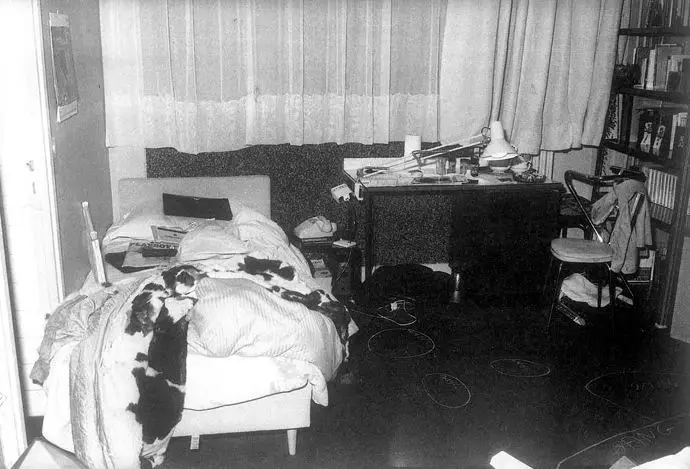
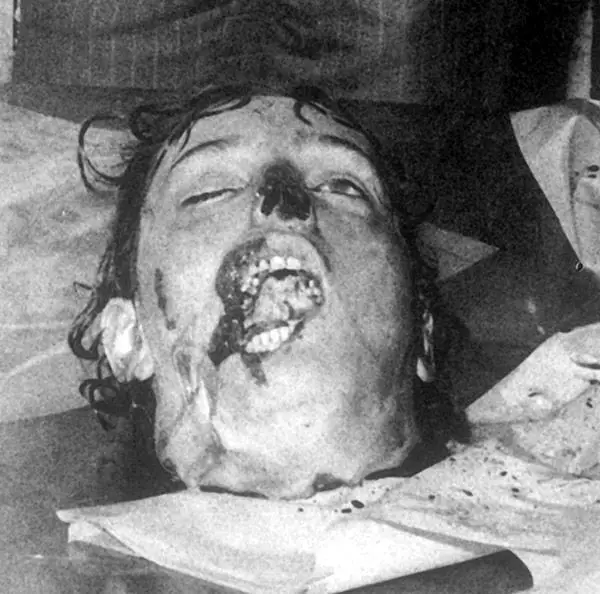
On June 11, 1981, Sagawa invited Hartevelt to his Rue Erlanger residence to record readings of German expressionist poetry. While Hartevelt sat at his desk reading aloud with her back turned, Sagawa drew a .22 caliber hunting rifle and shot her point-blank in the neck, killing her instantly.
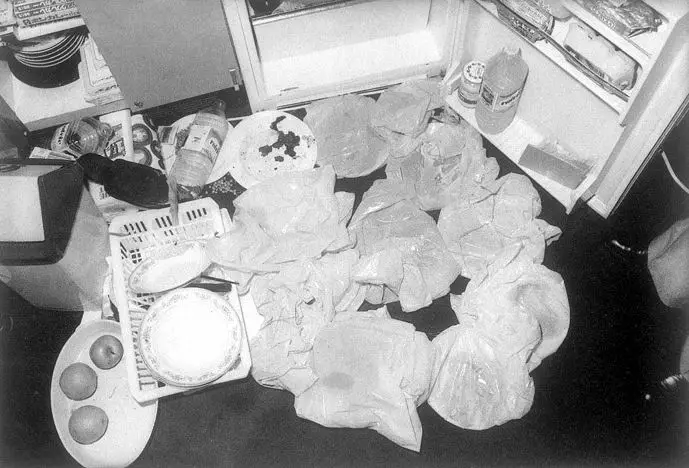
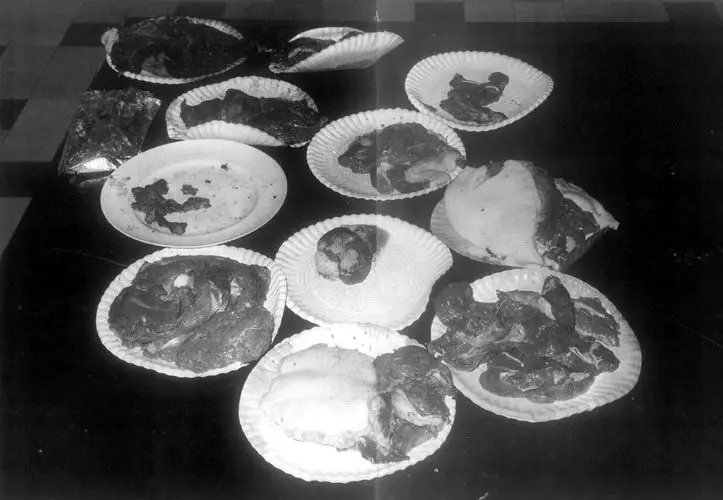
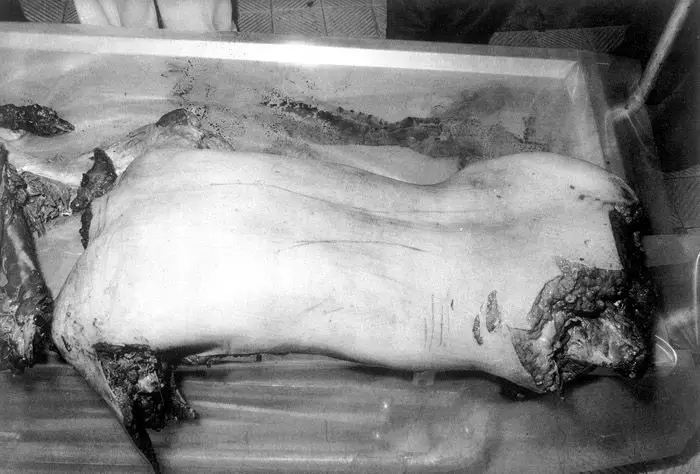
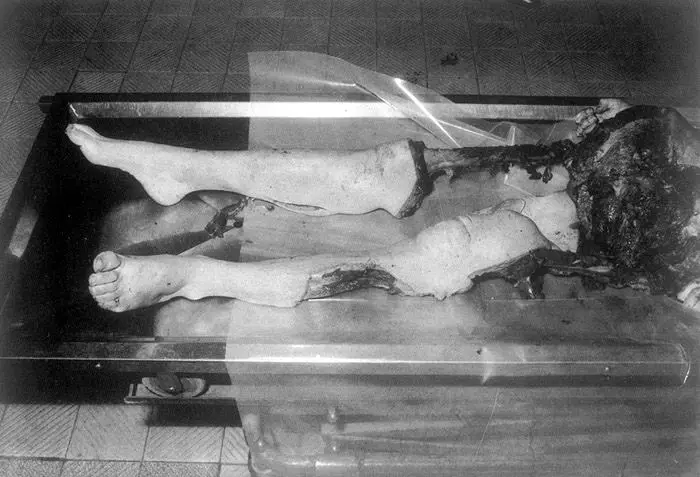
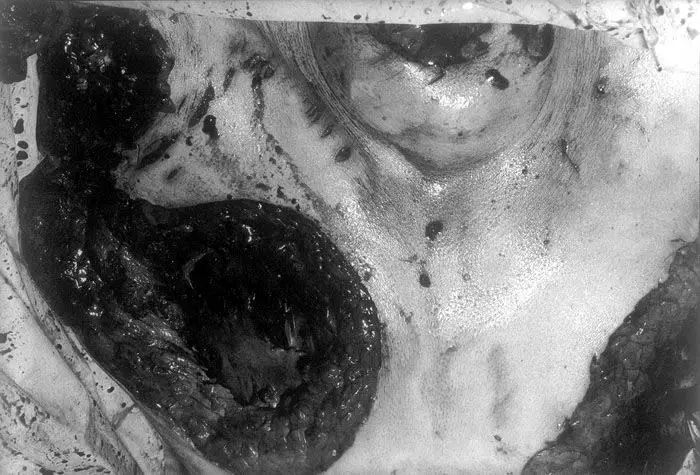
Overcoming initial shock, Sagawa engaged in necrophilia on his bed before systematically carving muscle and fat tissue from her hips, buttocks, breasts, and thighs using kitchen cutlery. Over the next forty-eight hours, he fried sections of her flesh with butter and mustard, noting that human meat was "tender and odorless, resembling raw tuna."
DISPOSAL FAILURE AT BOIS DE BOULOGNE
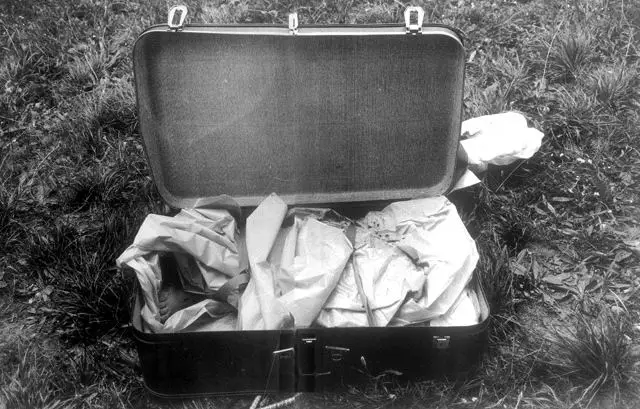
On June 13, 1981, Sagawa packed the remaining severed torso and limbs into two large travel suitcases. He took a taxi to the Bois de Boulogne park intending to submerge them in a remote pond.
Park visitors noticed blood dripping from the luggage seams and observed a human foot protruding from an unzipped compartment, immediately alerting police. Sagawa fled by cab back to his apartment, but detectives traced the vehicle, raided his flat, and discovered severed body parts inside his freezer and cooked meat on dinner plates.
THE LEGAL IMPASSE: FROM INSTITUTION TO CELEBRITY
Backed by prominent defense attorneys, French examining judge Jean-Louis Bruguière ruled in 1983 that Sagawa was legally insane at the time of the offense, ordering his indefinite detention at the Paul Guiraud psychiatric hospital.
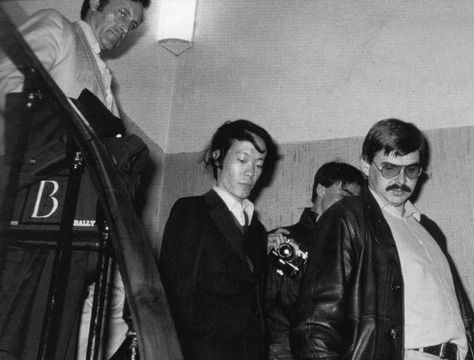
In 1984, French authorities deported him to Japan. Admitted to Tokyo's Matsuzawa Psychiatric Hospital, a panel of Japanese psychologists overturned the French diagnosis, determining that Sagawa was completely sane, fully aware of right and wrong, and suffering from a severe psychosexual personality disorder rather than clinical psychosis.
However, because the French state had formally dismissed the charges without a conviction and refused to release the confidential investigation dossier, Japanese courts had no legal jurisdiction to prosecute him for a murder committed abroad. On August 12, 1986, Matsuzawa Hospital discharged Sagawa as a free man.
LATER LIFE IN JAPAN AND DEATH
Capitalizing on public fascination with his crime, Sagawa transformed into a minor cultural celebrity in Tokyo. His memoir In the Fog (Kiri no Naka) sold hundreds of thousands of copies. He published multiple true crime treatises, wrote culinary critiques for the lifestyle magazine Spa, painted figurative nudes, and made cameo appearances in exploitation films.
His life inspired musical works by The Rolling Stones (Too Much Blood) and The Stranglers (La Folie), as well as the critically acclaimed 2017 documentary Caniba.
In his final years, debilitated by a stroke and requiring wheelchair care, Sagawa lived in obscurity supported by welfare and his younger brother. He died of pneumonia in a Tokyo hospital on November 24, 2022, at the age of 73.