Forensic & Criminological Matrix
| Parameter | Forensic Detail |
|---|---|
| Forensic Heading / Aliases | The Colorado Cannibal |
| Legal Identity | Alfred G. Packer |
| Confirmed Victims | 5 |
| Attributed / Indicted Victims | 5 |
| Active Timeline | February-March 1874 |
| Jurisdiction / Area of Operations | Lake City, Colorado, USA |
| Criminological Classification | Survivalist Murderer / Cannibalism |
| Forensic Modus Operandi | Blunt force trauma via hatchet and rifle butt |
| Weapon / Mechanism of Death | Hatchet, rifle butt, skinning knife |
| Motive / Behavioral Dynamics | Extreme survival and financial gain |
| Judicial Outcome | Convicted of manslaughter, 40-year sentence; paroled in 1901 |
1. Background and Psychopathy
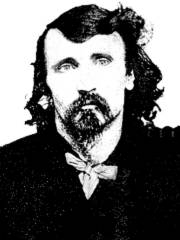
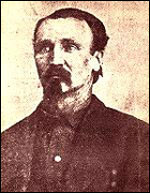
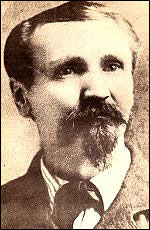
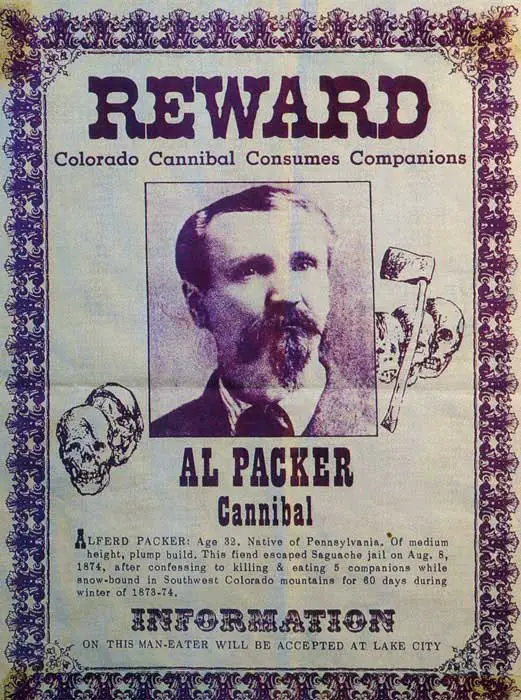
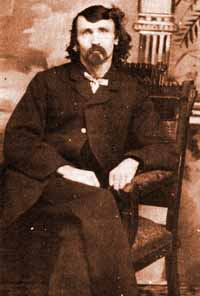
Born in Pennsylvania in 1842, Alfred Packer was a Civil War veteran discharged for epilepsy. His journey into the Colorado gold fields in 1873 led to a catastrophic winter expedition. Despite warnings from Chief Ouray, Packer led five men into the wilderness, where they became snowbound.
2. Crime Spree
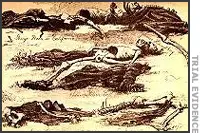
Packer returned alone in April 1874, possessing the belongings and money of his companions. Forensic analysis of the remains in 1989 confirmed that the victims were bludgeoned to death, contradicting Packer's claims of self-defense against a 'maniacal' companion.
3. Investigation and Arrest
Packer provided conflicting confessions throughout his legal ordeal. After escaping custody in 1874, he lived as a fugitive under the name 'John Schwartze' for nine years before his 1883 arrest in Wyoming.
4. Legal Proceedings and Outcome
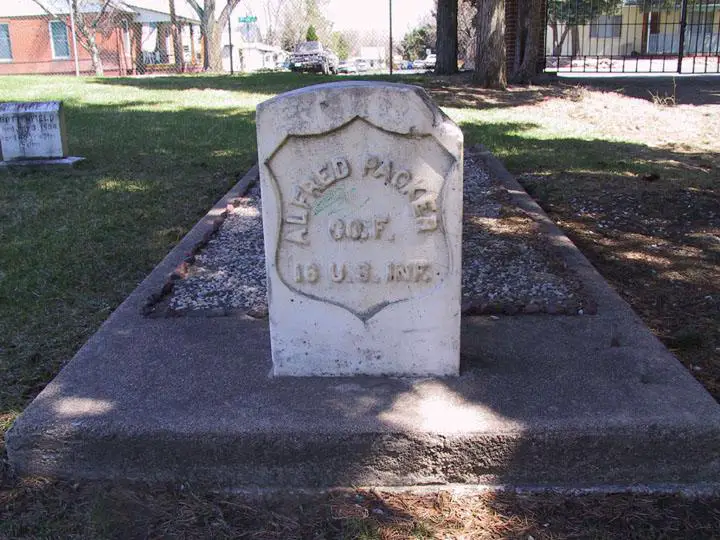
Packer's first death sentence was overturned. A subsequent 1886 trial resulted in a 40-year prison sentence for manslaughter. He was paroled in 1901 and lived until 1907, becoming a figure of both infamy and local legend.