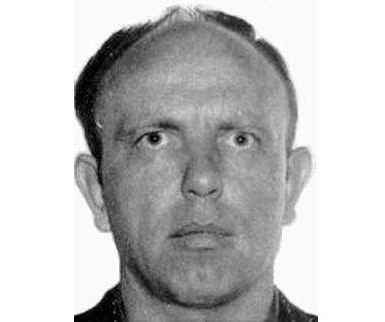
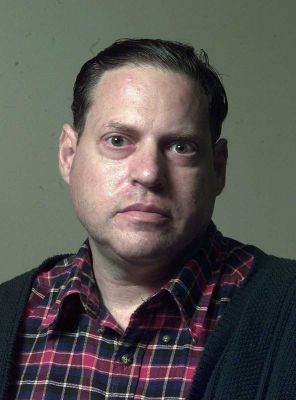
Forensic & Criminological Matrix
| Parameter | Forensic Detail |
|---|---|
| Forensic Heading / Aliases | Mad Dog Killer |
| Legal Identity | Leslie Irvin |
| Confirmed Victims | 1 (Wesley Kerr) |
| Attributed / Indicted Victims | 6 |
| Active Timeline | 1954-1955 |
| Jurisdiction / Area of Operations | Indiana and Kentucky, USA |
| Criminological Classification | Serial Killer |
| Forensic Modus Operandi | Execution-style shooting, bound hands |
| Weapon / Mechanism of Death | .38-caliber revolver |
| Motive / Behavioral Dynamics | Robbery and psychopathic behavior |
| Judicial Outcome | Life imprisonment (1962) after death sentence reversal |
1. Background and Psychopathy
Leslie Irvin (1924–1983) exhibited early signs of antisocial behavior, including arson at Bosse High School. His criminal career escalated from burglary to serial homicide, earning him the moniker "Mad Dog Killer" from prosecutors.
2. Crime Spree
Irvin's spree involved execution-style killings across Indiana and Kentucky. Victims included Mary Holland, Wesley Kerr, Wilhelmina Sailer, and members of the Goebel Duncan family. His MO consistently involved binding victims' hands and firing a single shot to the head.
3. Investigation and Arrest
Following a tip from local youths who recorded his license plate, Irvin was apprehended in April 1955. His subsequent escape from the Princeton jail in 1956 triggered a massive nationwide manhunt, ending in San Francisco.
4. Legal Proceedings and Outcome
Irvin's 1955 death sentence was overturned by the U.S. Supreme Court in 1961 (Irvin v. Dowd), establishing a landmark precedent regarding the impact of "public passion" and media coverage on the right to an impartial jury.
5. Final Years
Retried in 1962, Irvin received a life sentence. He spent his remaining years in the Indiana State Prison, where he became a skilled leather craftsman before dying of lung cancer in 1983.