Forensic & Criminological Matrix
| Parameter | Forensic Detail |
|---|---|
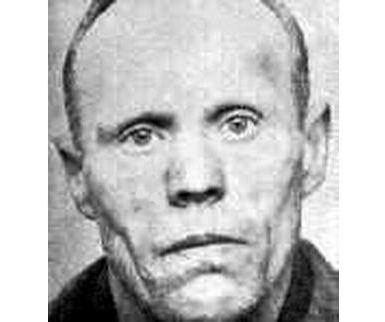
| Forensic Heading / Aliases | Mad Howard |
| Legal Identity | Howard Hughes |
| Confirmed Victims | 1 |
| Attributed / Indicted Victims | 1 |
| Active Timeline | 1981-1995 |
| Jurisdiction / Area of Operations | Llandudno, North Wales |
| Criminological Classification | Sexual predator / Child murderer |
| Forensic Modus Operandi | Stalking, abduction, sexual assault, and strangulation |
| Weapon / Mechanism of Death | Manual strangulation |
| Motive / Behavioral Dynamics | Antisocial personality disorder and sexual paraphilia |
| Judicial Outcome | Life imprisonment (1996) |
1. Background and Profile
Born in 1965 in Llandudno, North Wales, Howard Hughes exhibited early signs of behavioral disorders, including rapid physical growth and extreme aggression. His academic career was marked by multiple expulsions due to violent outbursts. By 1981, his criminal trajectory escalated to severe physical assault.
2. Crime Spree
On July 29, 1995, seven-year-old Sophie Hook was abducted from a tent in her family's garden. Her body was discovered the following morning on Craig-y-Don beach. Forensic examination confirmed she had been raped and strangled. Hughes had a long-standing reputation in the community for stalking and harassing women and children.
3. Investigation and Arrest
Police arrested Hughes shortly after the discovery of the victim's body. The prosecution's case relied on circumstantial evidence and witness testimonies, including a confession made to his father and sightings of Hughes carrying a suspicious sack on the night of the murder.
4. Legal Proceedings and Outcome
In June 1996, Hughes stood trial at Chester Crown Court. He was found guilty of abduction, rape, and murder. The presiding judge, Mr. Justice Curtis, sentenced him to three life terms, emphasizing the heinous nature of the crimes and recommending he never be released.
5. Appeals and Current Status
Hughes has launched several unsuccessful appeals against his conviction, citing a lack of forensic evidence. Despite his attempts to challenge the judicial process, his convictions remain upheld, and he continues to serve his sentence in a high-security facility.