


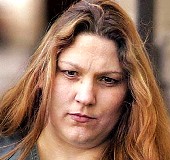
Forensic & Criminological Matrix
| Parameter | Forensic Detail |
|---|---|
| Forensic Heading / Aliases | Kimberly Hricko |
| Legal Identity | Kimberly Michelle Hricko |
| Confirmed Victims | 1 (Stephen Hricko) |
| Active Timeline | February 1998 |
| Jurisdiction / Area of Operations | Easton, Maryland, United States |
| Criminological Classification | Financial/Motivated Spousal Homicide |
| Forensic Modus Operandi | Administration of a neuromuscular blocker (succinylcholine) followed by arson to conceal the homicide |
| Weapon / Mechanism of Death | Succinylcholine chloride and fire-induced asphyxia |
| Motive / Behavioral Dynamics | Life insurance payouts ($400,000) and marital dissolution for a new relationship |
| Judicial Outcome | Convicted of first-degree murder and first-degree arson; sentenced to life imprisonment |
1. Background and Psychopathy
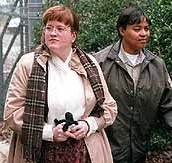
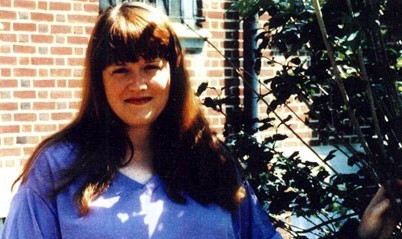
Kimberly Michelle Hricko worked as a surgical technician, granting her professional familiarity with potent pharmacological agents and muscle relaxants. She lived in Maryland with her husband, Stephen Hricko, a 35-year-old golf course superintendent, and their young daughter. By late 1997 and early 1998, the marital bond had severely deteriorated. Hricko openly confided to colleagues and friends her profound unhappiness, her desire to terminate the marriage, and her intentions to pursue a relationship with a younger man.
2. Crime Spree
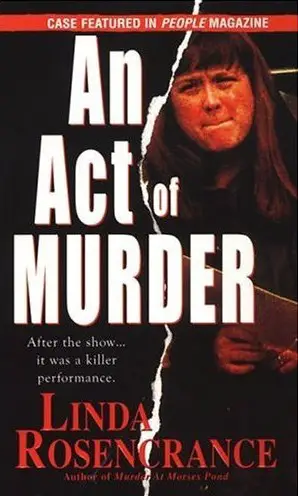
Hricko's homicidal scheme was methodically planned over several months. Initially, she solicited a co-worker to arrange her husband's murder for $50,000. When that plot failed, she resolved to execute the plan herself during a Valentine's weekend getaway at an Eastern Shore resort in Maryland in February 1998. After attending a murder-mystery dinner theater performance involving a poisoning plot, Hricko administered succinylcholine chloride to her husband. The drug, commonly used in surgical settings to paralyze skeletal muscles and cease diaphragmatic movement, induces fatal asphyxia within minutes while leaving minimal to no post-mortem toxicological traces if metabolized quickly. She then ignited the hotel bed to mask the crime as an accidental fire.
3. Investigation and Arrest
Emergency responders arrived after Hricko alerted hotel staff, claiming she had briefly left the room and returned to find smoke. Stephen Hricko was pulled from the room deceased. Deputy Chief Medical Examiner Dr. David Fowler conducted the autopsy, ruling out carbon monoxide poisoning, soot inhalation, and thermal trauma to the airways, confirming that the victim ceased breathing prior to the fire's onset. Although the drug itself rapidly degraded and evaded direct toxicological detection, forensic elimination of alternative causes of death combined with incriminating testimonies from witnesses—who confirmed Hricko's statements regarding paralyzing substances and $400,000 in life insurance policies—solidified the investigative focus on the wife.
4. Legal Proceedings and Outcome
Kimberly Hricko was arrested and prosecuted in Maryland. Her defense team argued alternative theories including severe depression, potential suicide, or accidental ignition caused by heavy drinking, while challenging the lack of direct chemical proof of poisoning. Nevertheless, prosecutor Robert Dean established a clear pattern of premeditation, leveraging her medical background, previous solicitation attempts, and financial motives. In 1999, the jury returned a guilty verdict on charges of first-degree murder and first-degree arson, resulting in a sentence of life imprisonment.