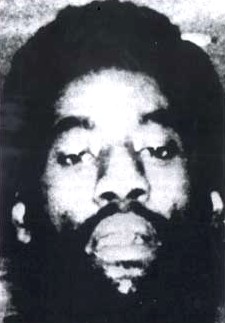
Forensic & Criminological Matrix
| Parameter | Forensic Detail |
|---|---|
| Forensic Heading / Aliases | Willie Horton |
| Legal Identity | William R. Horton |
| Confirmed Victims | 1 |
| Attributed / Indicted Victims | 2 |
| Active Timeline | 1974 - 1987 |
| Jurisdiction / Area of Operations | Massachusetts and Maryland, USA |
| Criminological Classification | Murderer, sexual offender |
| Forensic Modus Operandi | Stabbing, kidnapping, sexual assault |
| Weapon / Mechanism of Death | Knife, physical force |
| Motive / Behavioral Dynamics | Robbery, sexual violence |
| Judicial Outcome | Life imprisonment without parole |
1. Background and Profile
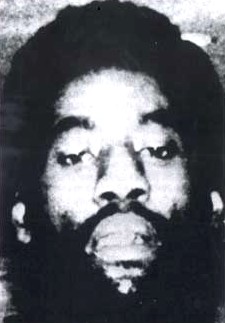
William R. Horton, widely known as "Willie Horton," was born in 1951. His criminal career gained national notoriety due to his involvement in a Massachusetts furlough program while serving a life sentence for murder. His case became a focal point in American political discourse regarding criminal justice reform.
2. Crime Spree
On October 26, 1974, in Lawrence, Massachusetts, Horton and two accomplices robbed 17-year-old gas station attendant Joseph Fournier. Horton stabbed Fournier 19 times, resulting in his death. In 1987, after failing to return from a weekend furlough, Horton committed a violent home invasion in Oxon Hill, Maryland, where he pistol-whipped a man and sexually assaulted his fiancée.
3. Investigation and Arrest
Following the 1987 Maryland assault, Horton was apprehended after a high-speed police chase. His escape from the Massachusetts furlough program triggered a massive media investigation by the Lawrence Eagle Tribune, which eventually led to the termination of the state's furlough program for first-degree murderers.
4. Legal Proceedings and Outcome
Judge Vincent J. Femia sentenced Horton to two consecutive life terms plus 85 years, stating that Horton should never be released. The case was famously weaponized during the 1988 U.S. Presidential campaign by Republican strategists to criticize Democratic nominee Michael Dukakis.
5. Forensic Conclusion
Horton remains incarcerated in Maryland. His case remains a landmark example of how criminal justice policy can intersect with national political campaigns.