Forensic & Criminological Matrix
| Parameter | Forensic Detail |
|---|---|
| Forensic Heading / Aliases | None |
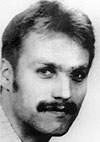
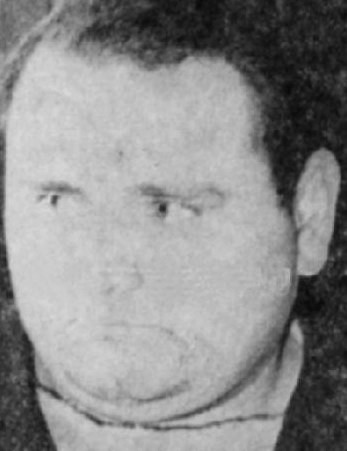
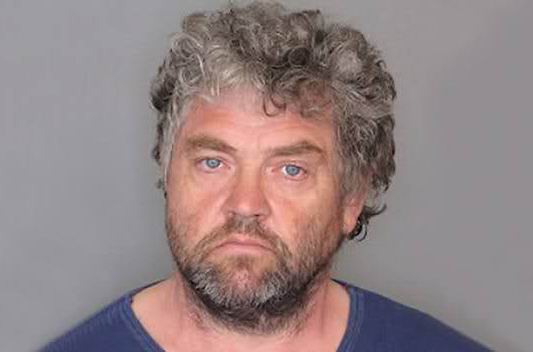
| Legal Identity | Kuno Hofmann |
| Confirmed Victims | 2 |
| Attributed / Indicted Victims | 2 |
| Active Timeline | 1971-1972 |
| Jurisdiction / Area of Operations | Nuremberg, Germany |
| Criminological Classification | Serial Killer / Necrophile |
| Forensic Modus Operandi | Cemetery desecration, corpse mutilation, and homicide with blood consumption |
| Weapon / Mechanism of Death | Knife, razor blades, and firearm |
| Motive / Behavioral Dynamics | Delusional strengthening and necrophilia |
| Judicial Outcome | Convicted of homicide and desecration |
1. Background and Profile
Kuno Hofmann was a deaf-mute German laborer with a significant psychiatric history. He spent nine years in mental institutions and had escaped 12 times. Prosecutors deemed him fully sane and accountable for his actions.
2. Criminal Career and Modus Operandi
Between 1971 and 1972, Hofmann committed at least 35 break-ins at cemeteries and mortuaries in Nuremberg. He used duplicate keys to access fresh graves, where he would mutilate corpses with razor blades or knives, sometimes decapitating them or drinking their blood. In May 1972, he escalated his behavior by shooting a young couple in a car and drinking their blood.
3. Investigation and Arrest
Police linked the cemetery desecrations to the double homicide. Hofmann was arrested and confessed to the crimes, claiming that consuming blood made him 'good looking and strong.'
4. Legal Proceedings and Outcome
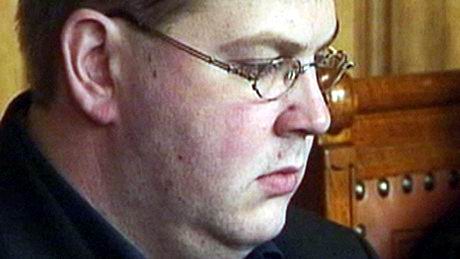
Despite his history of institutionalization, Hofmann was found fit to stand trial. He was convicted for his crimes and sentenced accordingly, remaining a significant case study in forensic psychiatry regarding necrophilic serial offenders.